Cypress, TX: (832) 648-1756

How to Safely Eliminate a Tooth Nerve for Lasting Relief

How to Kill a Tooth Nerve: Safe Relief vs. Permanent Solutions
If you are searching for how to kill a tooth nerve, you are likely experiencing intense, throbbing pain that makes it difficult to eat, sleep, or concentrate. While many online sources claim you can ‘kill’ a nerve at home in seconds, the reality is that you cannot safely or permanently kill a tooth nerve yourself. Only a licensed dentist can perform the procedures necessary to remove the nerve and stop the pain for good.
How to Kill a Tooth Nerve: Can You Do It Safely at Home?
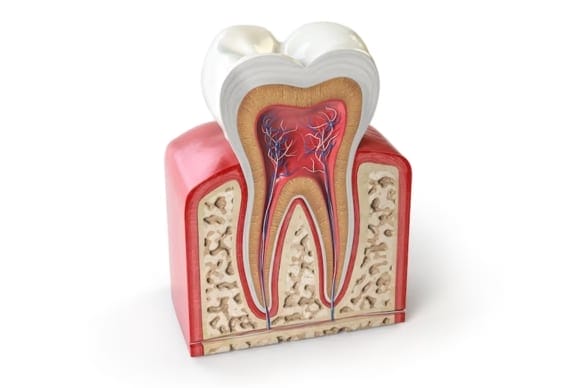
The short answer is no. You can temporarily numb the pain or ‘deaden’ the sensation, but you cannot eliminate the nerve tissue without professional dental tools. The tooth nerve (pulp) is located deep inside the tooth, protected by layers of hard enamel and dentin. Home remedies cannot reach this area to provide a permanent fix.
The Truth About ‘3-Second’ Permanent Fixes
You may have seen headlines claiming you can kill tooth pain permanently in 3 seconds. These are myths. While topical numbing agents like benzocaine can provide relief in seconds, the effect is superficial and temporary. The underlying infection or decay remains, and the pain will return once the medication wears off.
Why You Cannot Safely Kill a Nerve Yourself
Attempting to ‘kill’ a nerve using chemicals, heat, or sharp objects is extremely dangerous. The mouth is highly vascular, meaning infections can spread quickly to the jaw, neck, or even the bloodstream (sepsis). DIY methods often lead to chemical burns, permanent gum damage, and systemic infections.
Common Causes of Tooth Nerve Pain and Inflammation
Understanding why your tooth hurts is the first step toward the right treatment. Nerve pain, also known as pulpitis, usually stems from one of the following:
- Deep Dental Caries (Cavities): When decay eats through the enamel and dentin, bacteria invade the pulp chamber, causing painful inflammation.
- Cracked or Chipped Teeth: A fracture can expose the sensitive inner nerve to air, food, and bacteria.
- Gum Recession and Exposed Roots: Unlike the crown of the tooth, roots lack enamel. When gums recede, the nerve endings in the root become hypersensitive.
- Dental Abscess and Infection: A pocket of pus caused by a bacterial infection can create intense pressure on the nerve.
Symptoms That Your Tooth Nerve is Damaged or Dying
How do you know if the nerve is the problem? Look for these specific warning signs:
- Sensitivity to Heat, Cold, and Sweets: Sharp pain that lingers for more than a few seconds after the stimulus is removed.
- Sharp Shooting Pain vs. Constant Throbbing: Shooting pain often indicates a crack, while throbbing suggests an infection or abscess.
- Pain That Worsens at Night: Lying down increases blood flow to the head, which can intensify the pressure and pain in an inflamed tooth.
- Swelling and Fever: These are signs that an infection has spread beyond the tooth and requires immediate medical attention.
Safe Temporary Methods to Deaden Tooth Pain at Home
While you wait for your dental appointment, you can manage the discomfort with these safe, temporary methods:
- Over-the-Counter Pain Relievers: A combination of Ibuprofen (Advil) and Acetaminophen (Tylenol) is often highly effective for dental pain, as they target both inflammation and pain signals.
- Clove Oil (Eugenol): A natural anesthetic. Apply a tiny drop to a cotton ball and place it against the painful tooth. Avoid getting it on your gums, as it can cause irritation.
- Saltwater Rinses: Mix half a teaspoon of salt in warm water. This helps kill bacteria and reduce swelling around the affected area.
- Cold Compresses: Apply an ice pack to the outside of your cheek for 15-minute intervals to constrict blood vessels and numb the area.
Professional Treatments to Permanently Stop Nerve Pain
To truly ‘kill’ the nerve and save your health, a dentist will recommend one of the following:
Root Canal Therapy: Saving the Natural Tooth
This is the most common way to ‘kill’ a tooth nerve. The dentist removes the infected pulp, cleans the canals, and seals them with a biocompatible material called gutta-percha. This stops the pain while allowing you to keep your natural tooth.
Tooth Extraction: When the Nerve Cannot Be Saved
If the tooth is too damaged or the infection is too severe, the entire tooth (including the nerve) must be removed. This is a permanent solution but requires a bridge or implant later to prevent other teeth from shifting.
Deep Fillings and Pulp Capping
If the nerve is only slightly irritated, a dentist may use a sedative filling or a ‘pulp cap’ to encourage the nerve to heal without removing it entirely.
The Dangers of DIY Tooth Nerve Treatments
Searching for ways to kill a nerve with bleach, alcohol, or aspirin placed directly on the gum is dangerous. Bleach is toxic and can cause severe tissue necrosis. Placing an aspirin tablet directly on the gum can cause an ‘aspirin burn,’ leading to painful ulcers. These methods do not reach the nerve and only create new medical emergencies.
Comparison: Home Relief vs. Professional Dental Care
| Feature | Home Remedies (Clove Oil, OTC) | Professional Care (Root Canal/Extraction) |
|---|---|---|
| Duration of Relief | Minutes to Hours | Permanent |
| Addresses Root Cause | No | Yes |
| Safety Level | Safe if used as directed | High (Clinical Environment) |
| Risk of Infection | High (if treatment is delayed) | Low (Infection is removed) |
Frequently Asked Questions About Killing Tooth Nerves
How long will a tooth hurt before the nerve dies?
A tooth can throb for days or weeks before the nerve finally ‘dies.’ However, once the nerve dies, the pain may disappear temporarily, but the infection remains and will eventually lead to a painful abscess in the jawbone.
What naturally kills tooth pain permanently?
Nothing ‘naturally’ kills a tooth nerve permanently at home. Natural remedies like clove oil or garlic only provide temporary numbing. Permanent relief requires the physical removal of the nerve by a dentist.
Can nerve pain in a tooth go away on its own?
Occasionally, minor nerve irritation (reversible pulpitis) can resolve if the cause—like a small cavity—is treated. However, if the nerve is dying or infected, it will not heal on its own and requires intervention.
How do you numb an exposed tooth nerve instantly?
For instant, temporary relief, use an over-the-counter dental gel containing benzocaine or apply a small amount of clove oil. Keep the area clear of food debris and avoid cold or hot triggers.
Is it safe to use aspirin directly on the tooth?
No. You should swallow aspirin with water. Placing it directly on the tooth or gum can cause a chemical burn on your soft tissues, adding more pain to your dental issue.