Cypress, TX: (832) 648-1756

Trustworthy & Compassionate Dental Care: Your Guide to Gentle Dentistry

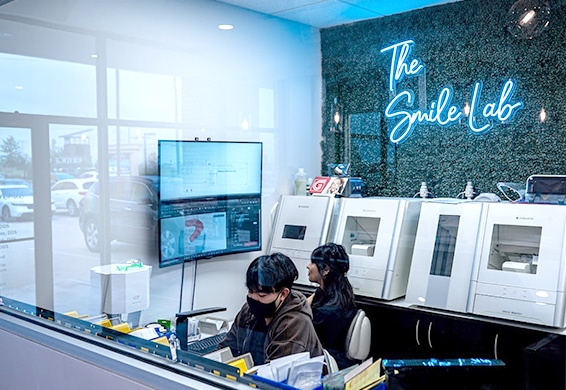
Trustworthy and compassionate dental care is not just about maintaining healthy smiles; it's about building relationships based on respect, empathy, and understanding. Picture a dental experience where every visit leaves you feeling valued and cared for, where your concerns are heard, and your comfort is a top priority. In this blog post, we delve into the essential aspects of trustworthy and compassionate dental care and how these qualities shape the way dental providers interact with patients – creating a nurturing environment focused on holistic well-being.
The Importance of Trustworthy and Compassionate Dental Care
Trustworthy and compassionate dental care is the cornerstone of a positive patient experience. When seeking dental treatment, patients value not only the technical expertise of their dentist but also the trust and empathy they receive throughout their visit. Here are key aspects that define trustworthy and compassionate dental care:
Defining Trustworthy Dental Care
-
Ethical Practices: Trustworthy dental care involves transparency in treatment options, costs, and procedures.
-
Patient-Centered Approach: Dentists prioritize the well-being and comfort of their patients above all else.
-
Honest Communication: Clear and open communication builds trust between the dentist and patient.
Defining Compassionate Dental Care
-
Empathetic Care: Compassionate dental care involves understanding and addressing the fears and concerns of patients.
-
Gentle Approach: Dentists show care and sensitivity during procedures to minimize discomfort.
-
Respect for Patient Dignity: Compassionate care upholds the dignity and autonomy of each patient.
Benefits of Trustworthy and Compassionate Approach
-
Enhanced Patient Compliance: Patients are more likely to follow through with treatment plans when they trust their dentist.
-
Reduced Dental Anxiety: Compassionate care helps alleviate patient anxiety and fear associated with dental visits.
-
Improved Patient Outcomes: Trustworthy and compassionate care leads to better overall satisfaction and oral health for patients.
By prioritizing trustworthy and compassionate dental care, dental providers can create a supportive and positive environment for their patients, fostering long-term relationships built on mutual respect and understanding.
Choosing a Trustworthy Dental Provider
Selecting a dental provider who embodies trustworthy and compassionate care is essential for maintaining oral health and a positive dental experience. Here are key considerations when choosing a dentist:
Qualities to Look for in a Trustworthy Dentist
-
Professional Credentials: Ensure your dentist is qualified, licensed, and stays updated on the latest dental techniques.
-
Patient Reviews: Look for reviews and testimonials from other patients regarding their experiences with the dentist.
-
Transparent Communication: A trustworthy dentist will communicate openly about your treatment options, costs, and expected outcomes.
How Compassion Impacts Dental Care Experience
-
Empathetic Listening: A compassionate dentist will listen attentively to your concerns and tailor treatment accordingly.
-
Mild Mannerism: Compassionate care involves a gentle and caring approach during procedures, ensuring patient comfort.
-
Personalized Care: Compassionate dentists take the time to understand your unique needs and provide individualized treatment plans.
Importance of Open Communication in Dental Care
-
Building Trust: Open communication fosters trust between the patient and dentist, leading to a positive relationship.
-
Addressing Concerns: A trustworthy dentist will address any questions or anxieties you may have about your treatment.
-
Informed Decisions: Through clear communication, patients can make informed decisions about their oral health and treatment options.
When selecting a dentist who values trustworthy and compassionate care, patients can feel confident in their dental provider's abilities and approach, leading to a rewarding and stress-free dental experience.
Gentle Dentistry Techniques for Anxious Patients
For many individuals, visiting the dentist can evoke feelings of anxiety and fear. A trustworthy and compassionate dental provider recognizes these concerns and employs gentle dentistry techniques to ensure a more comfortable experience for anxious patients.
Understanding Dental Anxiety
-
Causes of Dental Anxiety: Factors such as fear of pain, previous negative experiences, or a sense of loss of control can contribute to dental anxiety.
-
Impact on Oral Health: Avoiding dental visits due to anxiety can lead to deteriorating oral health and potential complications.
Techniques for Providing Gentle and Compassionate Care
-
Patient Education: Understanding procedures can alleviate anxiety. Dentists should explain treatments thoroughly and answer questions.
-
Pain Management: Using techniques like local anesthesia and gentle injections can minimize discomfort during procedures.
-
Relaxation Strategies: Incorporating calming techniques such as deep breathing exercises or music can help patients relax during treatment.
Creating a Relaxing Environment at the Dental Office
-
Comfortable Setting: Dentists can create a soothing and welcoming atmosphere in the office to help patients feel at ease.
-
Empathetic Staff: Compassionate dental staff can provide support and reassurance to anxious patients throughout their visit.
-
Use of Technology: Utilizing advanced dental technology, such as sedation options or virtual reality distraction, can enhance the patient experience.
By implementing gentle dentistry techniques and showing compassion towards anxious patients, dental providers can help alleviate fears and create a more positive dental experience, ultimately promoting better oral health outcomes for all patients.
Trustworthy and Compassionate Pediatric Dental Care
Ensuring that children receive trustworthy and compassionate dental care from a young age sets the foundation for a lifetime of positive oral health habits. Pediatric dental providers play a crucial role in creating a supportive and gentle environment for young patients.
Importance of Early Positive Dental Experiences
-
Establishing Trust: Positive early experiences at the dentist help children build trust in oral healthcare providers.
-
Preventing Dental Anxiety: Gentle and compassionate care during childhood can reduce the likelihood of developing dental anxiety later in life.
-
Education and Prevention: Pediatric dentists focus on educating children and parents about proper oral hygiene practices to prevent dental issues.
Building Trust with Young Patients
-
Child-Friendly Environment: Creating a welcoming and child-friendly dental office can help children feel comfortable and at ease.
-
Patient-Centered Approach: Pediatric dentists tailor their communication and treatment methods to suit the needs of young patients.
-
Encouragement and Rewards: Positive reinforcement and rewards for good behavior during dental visits can make the experience more enjoyable for children.
Tips for Parents to Ensure Compassionate Dental Visits
-
Early Introductions: Introducing children to the dental office at an early age for familiarization can reduce fear.
-
Lead by Example: Demonstrating good oral hygiene practices at home encourages children to follow suit.
-
Open Communication: Parents should openly discuss dental visits with their children and address any concerns or fears they may have.
By prioritizing trustworthy and compassionate care for pediatric patients, dental providers can instill positive attitudes towards oral health in children, leading to lifelong dental wellness and a positive attitude towards dental care.
The Role of Technology in Enhancing Trust and Compassion
In the realm of modern dentistry, technology plays a vital role in improving patient care and overall experience. Dentists who embrace innovative technologies can enhance the trustworthiness and compassion of their practice, ultimately benefitting the patients they serve.
How Technology Improves Patient Understanding
-
Digital Imaging: Technologies like digital X-rays and intraoral cameras allow patients to see images of their oral health, improving understanding of their conditions.
-
Educational Apps: Dentists can use interactive apps and software to explain procedures and oral hygiene practices to patients in a clear and engaging manner.
-
Telehealth Services: Virtual consultations and follow-ups enable patients to connect with their dentists remotely, promoting continuous communication and understanding.
Utilizing Technology for Personalized Care Plans
-
CAD/CAM Dentistry: Computer-aided design and manufacturing techniques enable customized dental restorations with precision and efficiency.
-
Digital Impressions: Digital scanning eliminates the need for messy traditional impressions, offering a more comfortable experience for patients.
-
Patient Portals: Online platforms allow patients to access their treatment plans, appointment schedules, and educational materials conveniently.
Enhancing Communication Through Digital Tools
-
Appointment Reminders: Automated reminders via text or email help patients stay informed about upcoming appointments, reducing no-show rates.
-
Treatment Collaboration: Dentists can collaborate with other healthcare providers easily through secure digital platforms, ensuring comprehensive care for patients.
-
Feedback Surveys: Using online feedback tools, dentists can gather valuable insights from patients to improve their services and address concerns promptly.
By harnessing the power of technology in dentistry, providers can strengthen the trust and compassion inherent in their practice, fostering positive patient relationships and optimizing the delivery of oral healthcare services.
Community Impact: Providing Trustworthy and Compassionate Dental Services
In addition to individual patient care, trustworthy and compassionate dental providers often extend their services to make a positive impact on the community they serve. By engaging in outreach programs, volunteer work, and oral health education efforts, dental practices can contribute to the well-being of the broader population.
Outreach Programs for Underserved Communities
-
Free Dental Clinics: Hosting free dental clinics or events provides essential dental care to individuals who may not have access to regular treatment.
-
Mobile Dental Units: Bringing dental services directly to underserved areas through mobile units ensures that community members receive necessary care.
-
Collaboration with Nonprofits: Partnering with nonprofit organizations dedicated to oral health enables dental practices to reach a wider range of individuals in need.
Volunteer Work and Community Engagement
-
Dental Mission Trips: Participating in dental mission trips locally or internationally allows dental professionals to offer their skills to those in underserved regions.
-
School Visits and Workshops: Visiting schools to educate children on oral hygiene practices and conduct dental screenings promotes oral health awareness from a young age.
-
Community Events Participation: Involvement in local events and health fairs provides opportunities to educate the community about the importance of oral health and preventive care.
Promoting Oral Health Education and Awareness
-
Online Resources: Creating informative blogs, articles, and videos on oral health topics helps disseminate crucial information to a wider audience.
-
Workshops and Seminars: Hosting educational workshops and seminars at the dental practice or community centers encourages dialogue on oral health best practices.
-
Collaboration with Schools: Partnering with schools to implement oral health education programs fosters a culture of good oral hygiene habits among students.
By actively engaging in community initiatives and promoting trustworthy and compassionate dental care beyond the confines of the practice, dental providers can make a meaningful impact, improving access to quality dental services and enhancing oral health outcomes for the community.
Why is trustworthy and compassionate dental care important for patients?
Trustworthy and compassionate dental care fosters a sense of trust and security between patients and their dental providers. It ensures that patients feel valued, respected, and understood throughout their treatment, leading to better communication, patient compliance, and overall satisfaction with their oral health care.
How can I find a dental provider who offers trustworthy and compassionate care?
When looking for a dental provider who emphasizes trustworthy and compassionate care, consider factors such as their communication style, reviews from other patients, the level of empathy shown during consultations, and their commitment to patient comfort and well-being. Seek recommendations from family and friends or conduct online research to find a dentist who aligns with your values and needs.
What gentle dentistry techniques are used to cater to anxious patients?
Dental providers use a variety of gentle dentistry techniques to help anxious patients feel more comfortable during their visits. These may include patient education to clarify procedures, pain management strategies such as local anesthesia, relaxation methods like deep breathing exercises, and creating a calming environment in the dental office.
How can pediatric dental care providers ensure a compassionate experience for young patients?
Pediatric dental care providers can ensure a compassionate experience for young patients by creating a child-friendly environment in the office, employing a patient-centered approach that considers the unique needs of children, providing positive reinforcement and rewards for good behavior, and focusing on patient education to promote good oral hygiene habits from a young age.
In what ways does technology enhance trust and compassion in dental care?
Technology plays a crucial role in enhancing trust and compassion in dental care by improving patient understanding through digital imaging and educational tools, enabling personalized care plans through CAD/CAM dentistry and digital impressions, enhancing communication through appointment reminders and feedback surveys, and promoting collaboration among healthcare providers for comprehensive patient care.