Cypress, TX: (832) 648-1756

Making the Right Choice: Dental Bridge vs Implant Explained


Choosing the right option to replace missing teeth can be daunting. Dental bridges and implants are two popular choices, each with its advantages and considerations. In this blog, we’ll break down the differences, benefits, and potential drawbacks of each to help you make an informed decision that suits your needs.

Understanding Dental Bridges
A dental bridge is a common method to replace one or more missing teeth by using the neighboring teeth as anchors. It consists of artificial teeth, known as pontics, and dental crowns that cap the supporting teeth.
Dental bridges provide a stable, non-removable solution for filling gaps in your mouth. They are particularly effective when adjacent teeth already require crowns or other restorative work, ensuring an even, cohesive dental structure. A bridge is usually made from materials such as porcelain, gold, alloys, or a combination of these. The choice of material will dictate the overall appearance, strength, and durability of the bridge. For more information on restorative dentistry options, you can refer to restorative dentistry for missing teeth.
The process of getting a dental bridge typically involves at least two visits to the dentist. During the first visit, the dentist prepares the abutment teeth by removing a portion of enamel to allow room for the crowns. Impressions of your teeth are taken to create a model for the bridge. In the interim, a temporary bridge may be provided to protect the exposed teeth and gums. On the second visit, the temporary bridge is removed, and the new bridge is checked and adjusted for a proper fit before being permanently cemented in place. For some, this procedure might even be completed in a single visit depending on the complexity and technology available at the dental practice.
Exploring Dental Implants
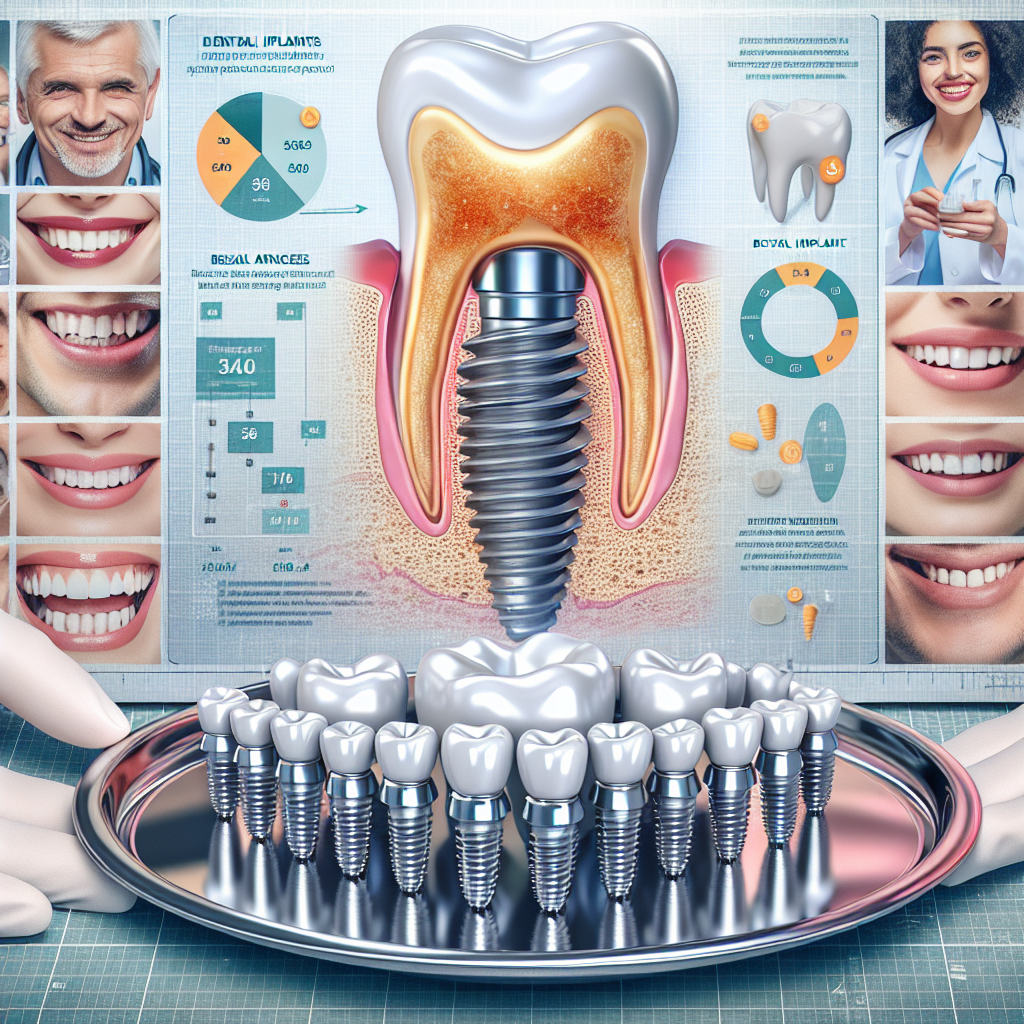
A dental implant involves a titanium post surgically placed into the jawbone, serving as a root for a replacement tooth. The implant is then topped with a crown that mimics the appearance and function of a natural tooth.
Dental implants are designed to be a long-term, durable solution for replacing missing teeth. Because they integrate with the jawbone through a process called osseointegration, implants provide a stable and permanent foundation for various dental prostheses, whether a single tooth or a full arch. This integration not only offers superior support and stability but also helps to preserve the jawbone, preventing bone loss that often occurs with missing teeth. If you’re interested, you can learn more about the benefits of dental implants here.
The implant process generally spans several months and multiple stages. Initially, the dentist evaluates your jawbone health and prepares it for the implant. This may involve grafting procedures if the existing bone is insufficient. Once the jawbone is ready, the titanium post is implanted into the bone. Over the next few months, the bone grows around the implant, anchoring it securely in place. After osseointegration is complete, an abutment is attached to the implant, and finally, a crown is placed on top. For a more comprehensive examination of dental implants, check out this source.
It’s worth noting that dental implants have a high success rate and can last a lifetime with proper care. They are considered a good option for individuals with one or more missing teeth who prefer a permanent solution. The ongoing research and advancements in implant technology have made this option more accessible and reliable than ever before.
One of the significant advantages of dental implants is their ability to function and feel like natural teeth. Patients often find them comfortable and stable, with no need to adjust their daily oral care routines. Regular brushing, flossing, and dental checkups ensure the longevity and health of the implants, much like natural teeth.
Benefits of Dental Bridges
Bridges are typically less invasive and can be completed in a shorter time frame compared to implants. They are particularly useful when the neighboring teeth need crowns or restorations and provide a more immediate solution for missing teeth.
Furthermore, dental bridges are often a more cost-effective solution upfront. While dental implants can be pricey due to the surgical process and materials involved, bridges usually require fewer procedures and appointments, making them a budget-friendly option for many. More details on the benefits of dental bridges can be found in this comprehensive guide on dental bridges vs. implants.
Affordability is another strong point in favor of bridges. They are generally more affordable than implants, particularly if multiple teeth need to be replaced. Many dental insurance plans are more likely to cover bridges over implants, making it a more accessible option for a wider range of patients. However, it is important to consider the long-term costs, as bridges may need to be replaced or repaired over time.
Dental bridges also help maintain the shape of your face and prevent remaining teeth from drifting out of position. By filling the gap left by missing teeth, bridges keep your bite aligned and reduce the risk of dental complications that can arise from misalignment or uneven pressure on other teeth.
Advantages of Dental Implants
Implants offer a permanent and durable solution that can last a lifetime with proper care. They do not affect adjacent teeth and help to preserve the jawbone, preventing bone loss over time.
One significant advantage of dental implants is their ability to function and feel like natural teeth. They provide a strong foundation for chewing and speech, leaving most patients unable to distinguish between their implants and natural teeth. This starkly contrasts with bridges, which can sometimes feel less secure or comfortable. For a detailed look at the benefits, head to The 5 Benefits of Dental Implants over Bridges.
Furthermore, implants support overall oral health by preventing the jawbone deterioration that often accompanies tooth loss. This stimulation of the bone through natural activities like chewing ensures that the bone remains healthy and dense, maintaining the integrity of your facial structure. In contrast, bridges do not interact with the jawbone, making implants a preferred choice for long-term oral health.
Another critical benefit of dental implants is their independence from the surrounding teeth. Unlike bridges, which require adjacent teeth to be modified and used as supports, implants stand alone. This means that your natural teeth remain intact and are not subjected to additional stress or the potential for decay, thereby preserving the overall health of your mouth.
Low maintenance is another attractive feature of dental implants. Caring for implants is no different from caring for natural teeth – regular brushing, flossing, and dental check-ups are all that’s required to keep them in excellent condition. This simplicity and the fact that they do not need to be replaced, unlike bridges, make implants a convenient option for many.
Considerations for Dental Implants
While implants offer many benefits, they require sufficient bone density and a more involved surgical procedure. The process can also take several months due to the healing time needed for the bone to integrate with the implant.
It’s essential to understand that not everyone may be an ideal candidate for dental implants. Factors such as existing medical conditions like uncontrolled diabetes, severe gum disease, or insufficient bone density can impact your suitability for the procedure. Your dentist will need to conduct thorough evaluations to determine if implants are the right choice for you.
Another point to consider is the cost. Dental implants generally involve a more significant upfront investment compared to bridges. This is due to the surgical procedures, materials, and the multiple appointments required. While many find the benefits worth the cost, it is important to assess your budget and explore financing options or dental insurance plans that may help offset the expenses.
The length of the treatment time can also be a deterrent for some individuals. Unlike bridges, which can typically be completed in a few weeks, the implant process requires a few months to allow for proper healing and osseointegration. However, many patients find that the long-term benefits of a stable, permanent solution outweigh the time investment required.
Factors Influencing Your Decision
Your oral health, budget, and personal preferences will play significant roles in your decision. Consider the long-term benefits and maintenance requirements of each option and consult with your dentist to determine the best fit for your situation.
If you are someone who values a long-term, stable solution and is willing to invest the time and resources, dental implants might be the appropriate choice. The permanency and natural feel of implants are hard to beat for those looking to make a one-time investment in oral health.
On the other hand, if you prefer a quicker solution with less invasive procedures and are mindful of your budget, dental bridges can be an effective and economical option. They offer a functional and aesthetic solution that can restore your smile rapidly, especially if adjacent teeth also require attention.
Take into account your daily life and routine, as this can also impact your choice. If you have a highly active lifestyle, the stability and durability of implants might appeal to you more. However, if you are looking for less upheaval in your daily routine and a faster resolution, bridges might be more practical.
Consulting with Your Dentist
A detailed consultation with your dentist can provide you with personalized advice and a tailored treatment plan. They can assess your dental health and help you weigh the pros and cons of each option based on your specific needs.
During your consultation, don’t hesitate to ask questions and discuss your concerns. A thorough understanding of the procedures, potential risks, and expected outcomes will empower you to make an informed decision. Additionally, your dentist can provide insights into advancements in dental technology and treatments that may be available to you.
You can contact Smile Avenue Family Dentistry to schedule a consultation and learn more about the best dental restoration options tailored specifically for your needs. Dr. Vuong and the team are dedicated to helping you achieve a healthy, radiant smile.
Making the Final Decision: Bridge or Implant?
Deciding between a dental bridge and an implant is a personal choice that depends on various factors, including your dental health, budget, and long-term goals. By understanding the key differences and consulting with your dentist, you can find the best solution to restore your smile and dental function. Remember, both options can provide excellent results, so take the time to evaluate what’s right for you.