Cypress, TX: (832) 648-1756
Complete Guide to Getting Dental Implants: What You Need to Know


Embarking on the journey to get dental implants is a significant decision that can transform not only your smile but also your quality of life. Imagine regaining the confidence to eat, speak, and laugh without hesitation. With advancements in dental technology and expert care available, the path to restoring your smile starts with exploring the world of dental implants.
Procedure for Getting Dental Implants
Getting dental implants is a multi-step process that requires precision and expertise. Here is a breakdown of what to expect during the procedure:
1. Surgical Process Explained
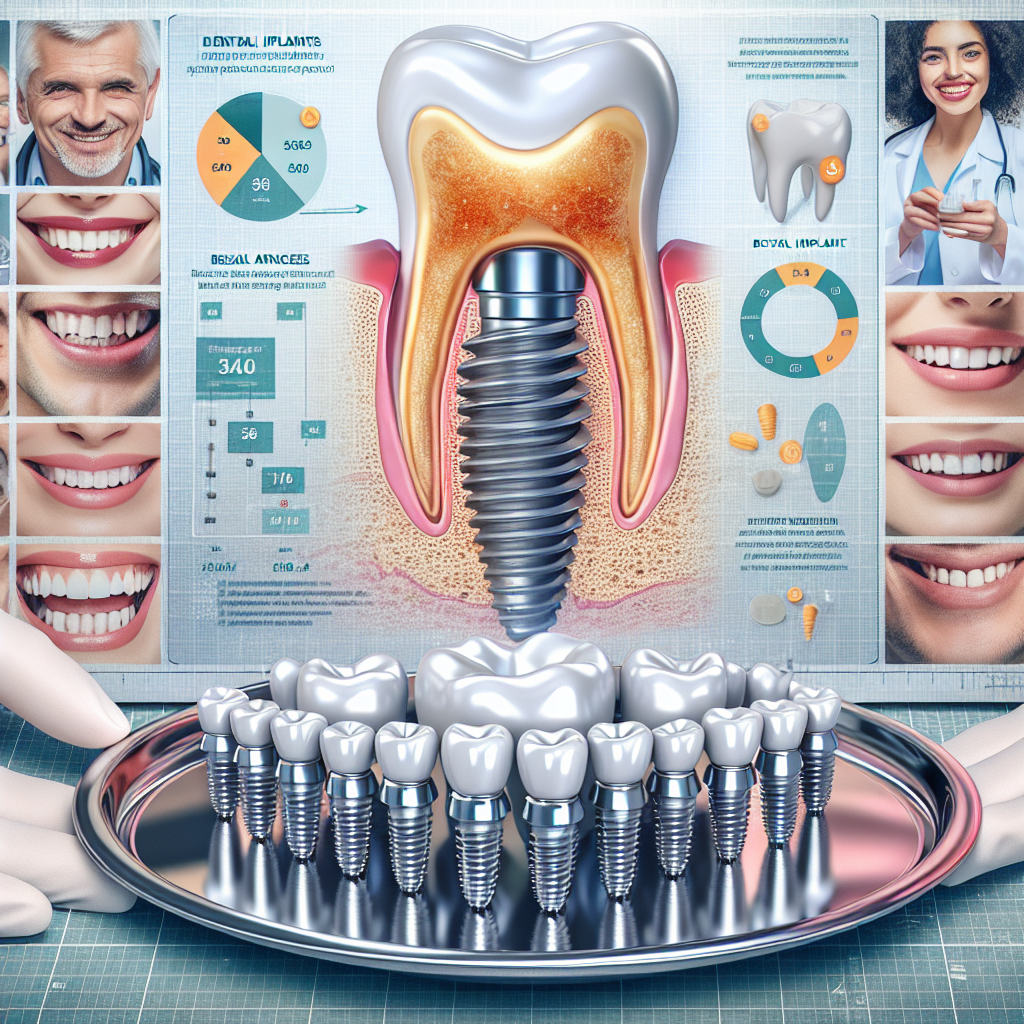
During the initial surgical phase, the implant fixture is placed into the jawbone. This acts as the artificial root for the replacement tooth. The gum is then stitched back into place to allow for healing.
2. Healing and Recovery Period
After the implant is placed, a period of healing is necessary to allow the implant to fuse with the jawbone. This process, known as osseointegration, can take several months. During this time, temporary restorations may be placed.
3. Follow-up Care and Maintenance Tips
Once the implant has fully integrated with the jawbone, the abutment is attached. This connects the implant to the replacement tooth or crown. Regular follow-up visits with your dentist are essential to monitor the healing process and ensure the long-term success of the implant.
Tips for Post-Procedure Care:
-
Follow all post-operative instructions provided by your dentist.
-
Maintain good oral hygiene by brushing and flossing regularly.
-
Avoid hard or sticky foods that may put pressure on the implant site.
-
Attend all scheduled follow-up appointments to assess healing progress.
For more detailed information on the surgical process of getting dental implants, you can refer to the American Academy of Implant Dentistry's website.
Types of Dental Implants
When considering getting dental implants, it's important to understand the different types available to determine the best option for your needs. Here are the various types of dental implants commonly used in dentistry:
Endosteal vs. Subperiosteal Implants
-
Endosteal Implants: These are the most common type of dental implants, where the implant is placed directly into the jawbone.
-
Subperiosteal Implants: These implants are placed under the gum but above or on the jawbone. They are used when the patient has a shallow jawbone and cannot undergo a bone augmentation procedure.
Single Tooth vs. Multiple Teeth Implants
-
Single Tooth Implants: Ideal for replacing a single missing tooth without affecting neighboring teeth.
-
Multiple Teeth Implants: Used when multiple adjacent teeth are missing, offering a permanent solution that mimics natural teeth.
Implant-Supported Dentures
-
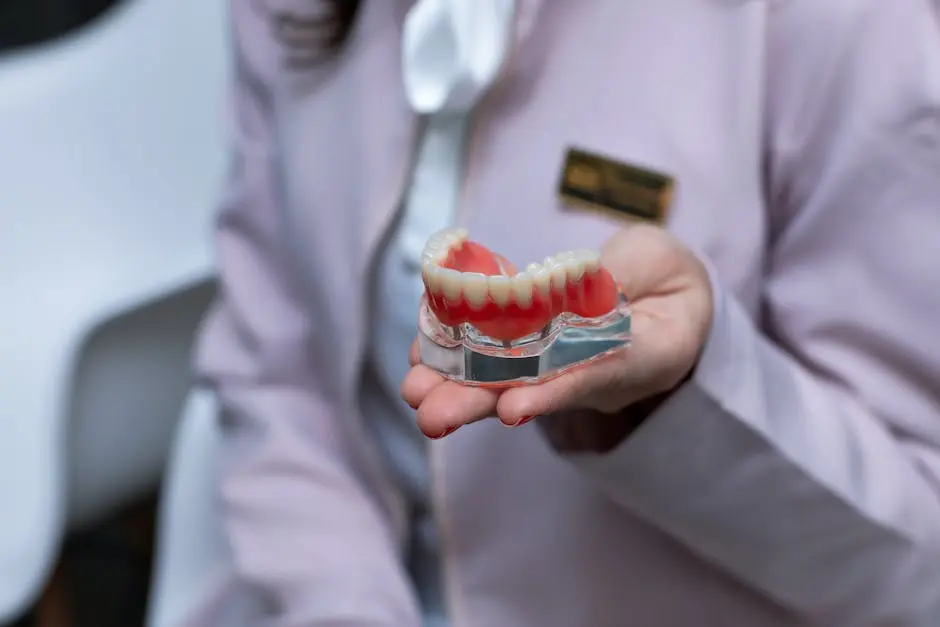
Implant-Supported Overdentures: These dentures are anchored by dental implants, providing stability and preventing bone loss in the jaw.
-
Implant-Supported Fixed Dentures: Also known as "All-on-4" or "All-on-6," these dentures are securely attached to dental implants, offering a more permanent solution compared to traditional removable dentures.
For detailed information on the types of dental implants and their suitability for your specific case, consult with a qualified dentist or prosthodontist.
Cost Considerations and Insurance Coverage for Getting Dental Implants
When considering dental implants, it's essential to understand the financial aspects associated with the procedure. Here's what you need to know about the cost considerations and insurance coverage:
Factors Affecting Dental Implant Costs
-
Number of Implants: The total cost will depend on the number of implants needed to restore your smile.
-
Material Used: The type of material used for the implant fixture and replacement tooth can affect the overall cost.
-
Additional Treatments: If bone grafting or other supplementary procedures are required, they will add to the total expenses.
Financing Options Available
-
Dental Financing Plans: Many dental offices offer financing options to help patients manage the cost of dental implants through monthly payments.
-
Health Savings Accounts (HSA) or Flexible Spending Accounts (FSA): These accounts can be used to cover eligible medical expenses, including dental implants.
-
Third-Party Financing: Third-party lenders specialized in healthcare financing can also provide loans for dental procedures.
Understanding Insurance Coverage
-
Dental insurance coverage for dental implants can vary widely among insurance providers.
-
Some plans may cover a portion of the cost of dental implants, while others may not cover them at all.
-
It's important to check with your insurance provider to understand what aspects of the procedure are covered under your plan.
For more information on financial considerations for dental implants and insurance coverage, you can visit the Delta Dental website.
Risks and Complications to Consider When Getting Dental Implants
Before deciding to get dental implants, it's crucial to be aware of the potential risks and complications associated with the procedure. Here are some factors to consider:
Potential Risks Associated with Dental Implants
-
Infection: Like any surgical procedure, there is a risk of infection at the implant site.
-
Nerve Damage: In rare cases, nearby nerves may be damaged during the placement of dental implants.
-
Implant Failure: Factors such as poor oral hygiene or smoking can contribute to implant failure.
-
Sinus Problems: Implants placed in the upper jaw may protrude into the sinus cavities, leading to sinus complications.
How to Minimize Complications
-
Choose a qualified and experienced implant dentist to perform the procedure.
-
Follow all post-operative care instructions provided by your dentist diligently.
-
Maintain good oral hygiene practices to minimize the risk of infection and implant failure.
-
Attend regular dental check-ups to monitor the health of your implants and overall oral health.
Long-term Outlook and Success Rate
-
With proper care and maintenance, dental implants have a high success rate.
-
Regular dental visits and oral hygiene practices are crucial for the long-term success of your implants.
-
Understanding the risks and taking necessary precautions can help ensure a positive outcome for your dental implant procedure.
For more detailed information on potential risks and complications associated with dental implants, consult with your dentist or visit the American Academy of Periodontology's website.
Post-Implant Care and Dental Hygiene Tips for Those Who Want to Get Dental Implants
After you've undergone the process to get dental implants, it's crucial to maintain proper care and hygiene to ensure the longevity and success of your implants. Here are some essential tips to follow:
Oral Care Routine After Getting Dental Implants
-
Brushing: Brush your teeth at least twice a day with a soft-bristled toothbrush to remove plaque and food particles.
-
Flossing: Clean between your teeth and around the implant crown using dental floss or interdental brushes to prevent gum disease.
-
Antimicrobial Mouthwash: Rinse with an antimicrobial mouthwash to reduce bacteria and plaque buildup around the implant area.
-
Regular Dental Visits: Schedule regular check-ups with your dentist to monitor the health of your implants and address any issues promptly.
Importance of Regular Dental Check-ups
-
Routine dental visits allow your dentist to assess the condition of your implants and overall oral health.
-
Your dentist can identify any early signs of complications and provide timely treatment to prevent further problems.
-
Professional cleanings help maintain the health of your gums and prevent gum disease, which can jeopardize the success of your dental implants.
Tips for Maintaining Oral Health with Implants
-
Avoid chewing hard objects or foods that may damage your implants.
-
Quit smoking, as tobacco use can increase the risk of implant failure.
-
Adopt a balanced diet rich in nutrients to support the health of your jawbone and gums.
-
Stay hydrated and limit sugary foods and beverages to prevent tooth decay and gum issues.
For more personalized advice on post-implant care and oral hygiene tips, consult with your dentist or dental hygienist. Your oral health is essential for the longevity of your dental implants and your overall well-being.
Conclusion: Your Journey to Get Dental Implants Starts Here
Embarking on the path to getting dental implants can be a life-changing decision that enhances both your oral health and overall well-being. By understanding the process, types of implants, cost considerations, potential risks, and post-implant care, you are equipped to make informed choices for your dental health.
Embrace the Benefits of Dental Implants
-
Achieve a natural-looking smile that boosts your confidence and self-esteem.
-
Restore functionality to your mouth, allowing you to enjoy eating and speaking with ease.
-
Invest in your long-term oral health and preserve the integrity of your jawbone structure.
Your Journey Continues
Your dental implant journey doesn't end after the procedure. It's a commitment to maintaining excellent oral hygiene, attending regular dental check-ups, and adopting a healthy lifestyle to ensure the longevity of your implants.
As you consider taking the next step to get dental implants, remember that Smile Avenue Family Dentistry is here to support you every step of the way. Our team of experienced dentists in Katy, TX, is dedicated to providing top-quality care for the whole family. Contact us today to start your journey towards a healthier and more confident smile.
For more information on dental implants and our services, visit our website.
Make the choice to invest in your smile today and experience the transformative power of dental implants.
Where to Get Dental Implants: Choosing the Right Provider
When deciding to get dental implants, selecting the right dental provider is crucial for a successful outcome. Here are key factors to consider when choosing a provider for your dental implant procedure:
Experience and Credentials
Ensure the dentist or oral surgeon performing the implant procedure has the necessary experience, qualifications, and certifications in implant dentistry. Look for providers who have a proven track record of successful implant placements.
Technology and Facilities
Opt for a dental practice equipped with advanced technology and modern facilities for precise diagnosis, treatment planning, and implant placement. State-of-the-art equipment can enhance the accuracy and efficiency of the procedure.
Patient Reviews and Testimonials
Read reviews and testimonials from previous patients to gauge their satisfaction with the provider's services. Positive feedback and success stories can instill confidence in the provider's ability to deliver quality care.
Cost Transparency and Financing Options
Choose a provider that offers clear and transparent pricing information for dental implant procedures. Additionally, inquire about available financing options or payment plans to ensure the cost of implants fits within your budget.
Continuing Care and Follow-up
Select a dental provider who emphasizes post-implant care and offers ongoing support following the procedure. Regular follow-up appointments and maintenance guidelines are essential for the long-term success of your dental implants.
When considering where to get dental implants, prioritize quality, expertise, and patient-centered care to ensure a positive experience and optimal results. For more information on dental implants and providers in Katy, TX, visit Smile Avenue Family Dentistry's website.
FAQ
Can anyone get dental implants?
Not everyone is a suitable candidate for dental implants. Factors such as overall health, bone density, and oral hygiene play a significant role in determining eligibility. A thorough evaluation by a qualified dentist is necessary to assess your candidacy for dental implants.
How long do dental implants last?
With proper care and maintenance, dental implants have the potential to last a lifetime. Regular dental check-ups, good oral hygiene practices, and avoiding habits like smoking can contribute to the longevity of your dental implants.
Is the dental implant procedure painful?
Dental implant procedures are typically performed under local anesthesia, ensuring that patients do not experience pain during the surgery. Some discomfort and mild soreness may be present after the procedure, but this can be managed with prescribed medications.
Are dental implants covered by insurance?
Insurance coverage for dental implants varies depending on the policy and provider. While some dental insurance plans offer partial coverage for implants, others may not cover them at all. It is recommended to check with your insurance provider to understand the extent of coverage.
How long does it take to complete the dental implant process?
The timeline for completing the dental implant process can vary based on individual circumstances. From the initial consultation to the final restoration, the entire process can take several months. Factors such as healing time, bone integration, and any additional procedures can influence the overall treatment duration.