Cypress, TX: (832) 648-1756

What To Expect During A Root Canal Treatment: A Step-By-Step Guide


Root canal treatment often carries an intimidating reputation, but understanding the process can help ease anxiety. This procedure is designed to save a damaged or infected tooth by removing the infected pulp, cleaning the area, and sealing it to prevent further damage.
With advances in dental technology, root canal treatment has become relatively comfortable and effective, offering long-term relief from tooth pain. In this step-by-step guide, we’ll walk you through the entire process so you can feel informed and prepared for your root canal treatment.
What Is a Root Canal?
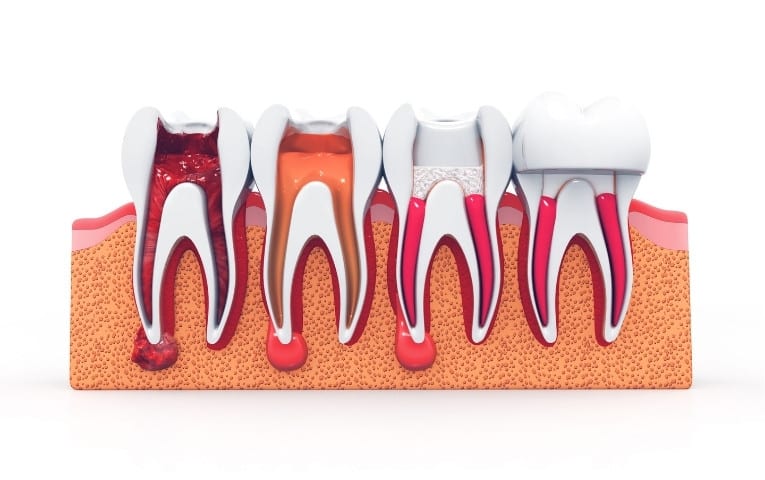
A root canal is a procedure used to treat and save a tooth that is severely decayed, damaged, or infected. When the pulp (the soft tissue inside your tooth containing nerves and blood vessels) becomes infected, it can cause intense pain and lead to an abscess if it’s not treated.
This treatment involves removing the infected pulp, disinfecting the area, and sealing it to restore the tooth’s function.

Signs You May Need One
Before diving into the procedure itself, it’s essential to know the common signs indicating that a root canal might be necessary:
- Severe discomfort in the teeth, particularly when biting or exerting pressure.
- Extended sensitivity to temperature changes.
- Gum swelling or soreness in the vicinity of the damaged tooth.
- Discoloration of the teeth.
- A persistent pimple on the gums (a sign of infection).
If you notice any of these symptoms, your dentist may recommend a root canal to prevent further complications.
Get Prepared For The Procedure
Once your dentist has determined that you need a root canal, the preparation process begins. Here’s what to expect:
- Consultation and X-rays: Before the procedure, your dentist will take X-rays to assess the extent of the infection and identify the tooth’s structure. They will discuss the procedure with you and answer any questions or concerns you may have.
- Anesthesia: On the day of the procedure, your dentist will administer a local anesthetic to numb the tooth and the surrounding area, ensuring you don’t feel any pain during the root canal.
Step 1: Isolating the Tooth
To begin the root canal procedure, your dentist will isolate the affected tooth using a rubber dam. This thin sheet of latex (or non-latex material for those with allergies) keeps the tooth dry and free from saliva during the treatment, ensuring a sterile environment.
Step 2: Accessing The Pulp Chamber
Next, the dentist will make a small opening in the crown of the tooth to access the infected pulp chamber. This step is crucial as it allows the dentist to reach the inner part of the tooth, where the infection or damage is located.
Step 3: Removing The Infected Pulp
Once the dentist accesses the tooth, they carefully remove the infected or damaged pulp from the pulp chamber and root canals. They use specialized tools to clean the interior of the tooth, ensuring they eliminate all traces of infection.
Step 4: Cleaning and Shaping The Root Canals
After removing the pulp, the dentist will clean and disinfect the root canals to remove any remaining bacteria. They will also shape the canals to prepare them for filling. This part of the process ensures proper sealing of the canals to prevent reinfection.
- Antibacterial Solutions: During the cleaning process, the dentist may use an antibacterial solution to further disinfect the area.
- Shaping the Canals: The dentist uses specialized tools to widen and smooth the canals, ensuring they adequately prepare for the filling material.
Step 5: Filling The Canals
The dentist will fill the root canals with gutta-percha, a biocompatible substance, after they have been cleansed and shaped. By sealing the canals and keeping bacteria out, this substance resembles rubber. For the treatment to be successful over the long run, the filler is compacted to create a tight seal.
- Temporary Filling: In some cases, a temporary filling may be placed in the tooth until a permanent crown or restoration can be applied later.
Step 6: Sealing The Tooth
After filling the root canals, the dentist seals the tooth with a filling material to protect the interior. This step prevents bacteria from reentering the tooth and causing a new infection. If the tooth requires additional protection, the dentist may recommend placing a crown, especially if the tooth is weakened or at risk of fracturing.
Step 7: Final Restoration (Crown Placement)
In most cases, the dentist needs to place a crown to restore the tooth to full function. The crown not only strengthens the tooth but also improves its appearance, blending in with your natural teeth.
The process of placing a crown typically occurs in a separate appointment after the root canal treatment. Your dentist will take an impression of your tooth to create a custom crown that fits perfectly.
Recovery & Aftercare
After your root canal treatment, you may feel some mild discomfort or sensitivity, but this is usually temporary and manageable with over-the-counter pain relievers. Here are some recovery tips:
- Avoid Chewing on the Treated Tooth: Avoid chewing on the tooth to prevent damage until the dentist fully restores it with a crown or permanent filling.
- Maintain Good Oral Hygiene: Continue brushing and flossing your teeth as usual to keep the treated area clean and prevent future infections.
- Follow Up with Your Dentist: Attend any scheduled follow-up appointments to ensure proper healing and to receive the final crown or restoration if necessary.
How Can a Root Canal Treatment Benefit You?
Root canal treatment offers several benefits:
- Pain Relief: Eliminates the source of the infection, providing relief from tooth pain.
- Tooth Preservation: Saves your natural tooth, preventing the need for extraction.
- Prevents Spread of Infection: Stops the infection from spreading to other teeth or the surrounding bone.
- Improves Oral Health: Restores the function and appearance of the tooth, allowing you to eat and smile confidently.
Root canal treatment is a highly effective way to save a damaged or infected tooth, restoring both function and appearance. By isolating the tooth, removing the infected pulp, cleaning the canals, and restoring the tooth with a crown, your dentist ensures the long-term health of your tooth.
Aftercare is crucial for a successful recovery, but once healed, you can expect the treated tooth to function just like your natural teeth. If you’re experiencing toothache or signs of infection, a root canal may be the solution to preserve your smile and prevent further complications.