Cypress, TX: (832) 648-1756

How Long Does Invisalign Treatment Typically Last?

Invisalign is a popular alternative to traditional braces, offering a clear and comfortable way to straighten teeth. But one common question among individuals considering this treatment is: How long will it take? In this FAQ blog, we’ll delve into the factors affecting the duration of Invisalign treatment to help you understand what to expect.

What is the Average Duration of Invisalign Treatment?
Typically, Invisalign treatment ranges from 12 to 18 months. However, this can vary depending on individual cases.
For some individuals, achieving a beautifully straight smile may take as little as 10 weeks for minor adjustments, while others might require a more extended period of up to two years for complex dental issues. Factors like the type of Invisalign product you choose also play a crucial role in determining the overall timeline.
The customized nature of Invisalign means that the timeline can greatly differ. When you first begin treatment, you’ll have a consultation to map out a personalized plan that outlines the estimated duration based on your specific needs.
Factors That Influence Treatment Time
Several factors can influence how long your treatment will last, including the complexity of your case, the desired dental outcome, and whether all aligners are worn as required.
Consistency in wearing your aligners is key. Aligners should be worn 20 to 22 hours a day for optimal results. Failure to adhere to these guidelines can result in prolonged treatment and may impact progress significantly.
Your treatment plan might also be influenced by age and biological factors, impacting the rate at which your teeth move and adjust.
How Does Invisalign Work to Straighten Teeth?
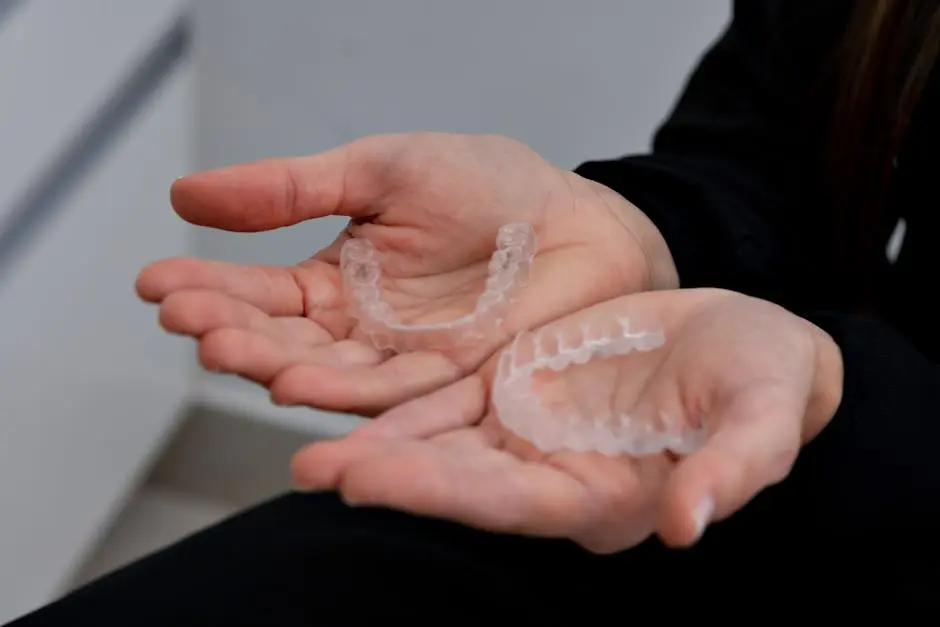
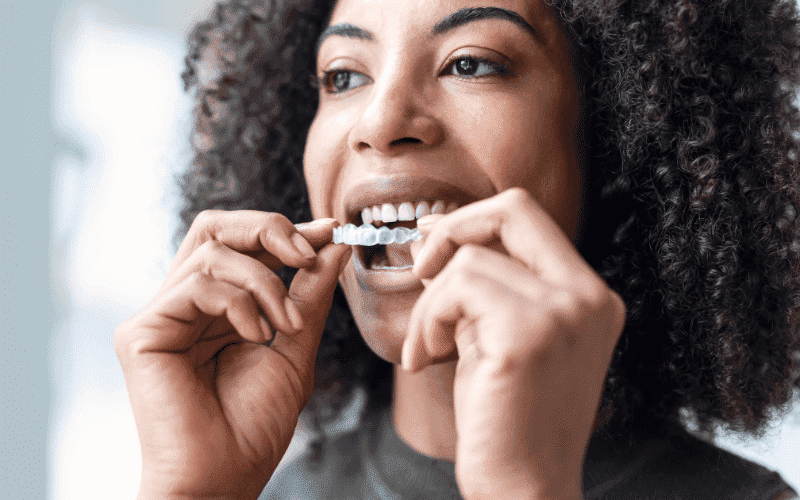
Invisalign uses a series of custom-made clear aligners that gradually shift your teeth into the desired position. Consistent wear and regular check-ups with your orthodontist are crucial for success.
Unlike traditional braces, Invisalign aligners are designed to be discreet and removable, providing a unique advantage in terms of comfort and convenience.
Each aligner is slightly different from the last, guiding teeth predictably along the treatment path. This sequence continues until the teeth have moved into their final, desired alignment. To understand the core aspects of how these aligners facilitate movement, visit this guide on Invisalign’s mechanism.
Can Treatment Time Be Shortened?
Sticking to your aligner schedule and maintaining good oral hygiene may help minimize delays and possibly shorten the treatment duration.
Frequent visits and open communication with your orthodontist can also aid in adjusting treatment plans, allowing for potential time optimizations if progress is ahead of schedule.
Missing aligner wear time can set your treatment back, so it’s highly recommended to stay as close to the prescribed hours as possible.
What Happens After the Treatment Ends?
Once your treatment is complete, wearing a retainer helps maintain your newly aligned smile. Your orthodontist will provide guidance on how long to wear it.
A common practice involves wearing retainers full-time for the first six months, followed by nightly use to ensure long-term stability of your teeth.
Consistent retainer use is essential in preventing your teeth from shifting back to their pre-treatment positions, which reinforces the hard-earned results of your Invisalign journey.
Summing It All Up
Invisalign treatment duration varies, but by understanding the influencing factors, attending regular check-ups, and following your dental professional’s advice, you’ll be on your way to a beautiful smile. If you have specific concerns, it’s best to consult your orthodontist for personalized advice. To learn more about maintaining your smile after Invisalign, visit our care tips.