Cypress, TX: (832) 648-1756
Celebrity Smiles Transformed: A Look at Stars Who Have Used Invisalign

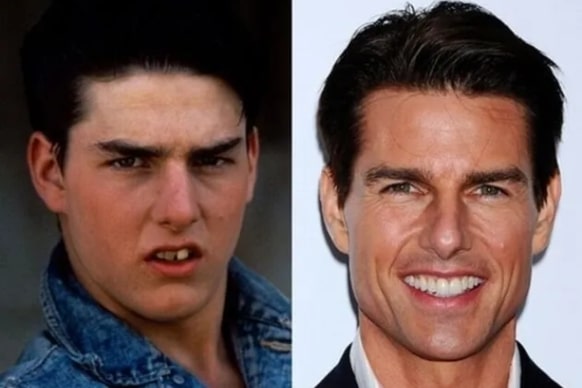
It’s no secret that celebrities wearing invisalign has become a modern beauty trend—because clear aligners can refine a smile without the obvious look of braces. From red-carpet photoshoots to packed touring schedules, many stars have chosen Invisalign for a more discreet, camera-friendly approach to orthodontic care. If you’ve ever wondered how these “nearly invisible” trays work and whether they could fit your lifestyle, this guide breaks it all down.
What Are Invisalign Aligners (and Why They’re “Nearly Invisible”)?
How Invisalign works (digital planning → custom trays → gradual tooth movement)
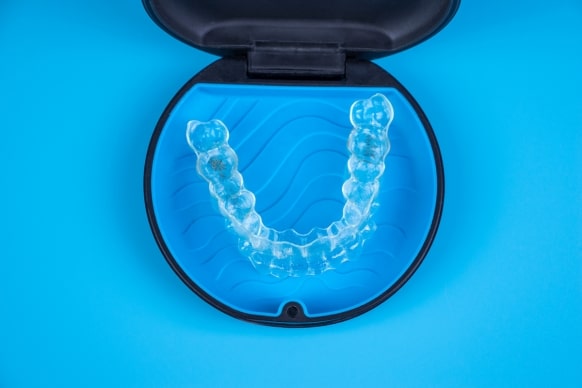
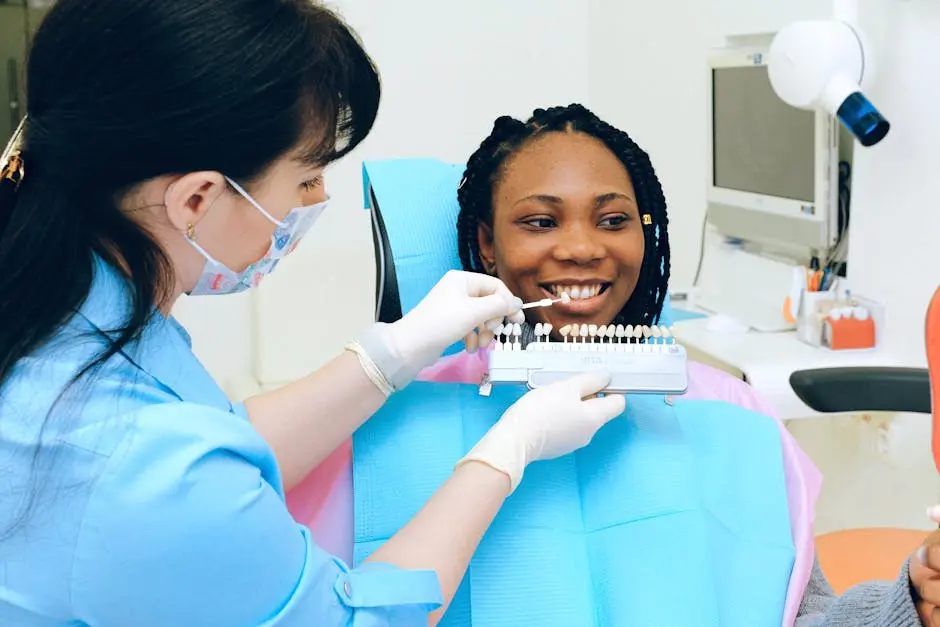
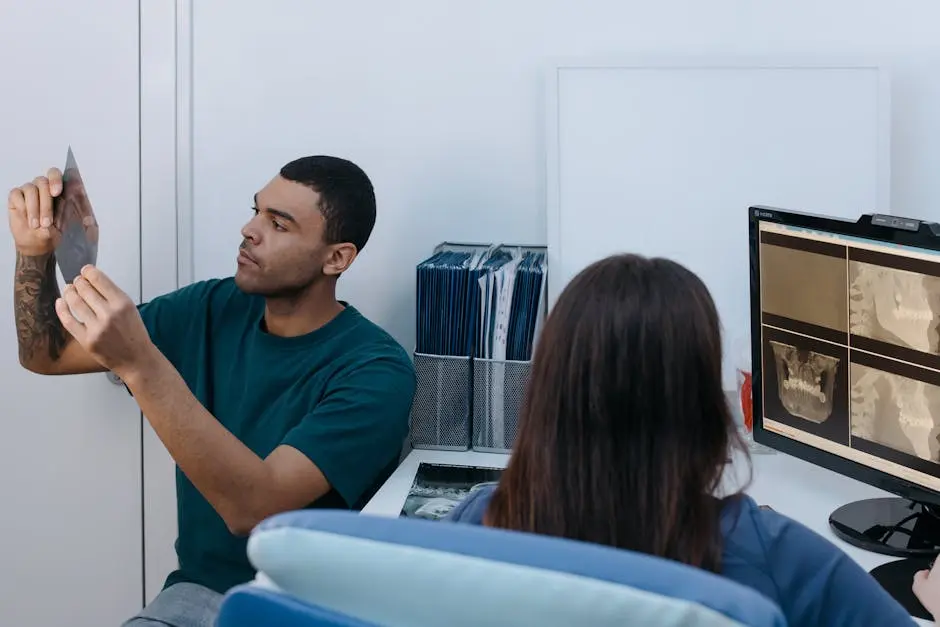
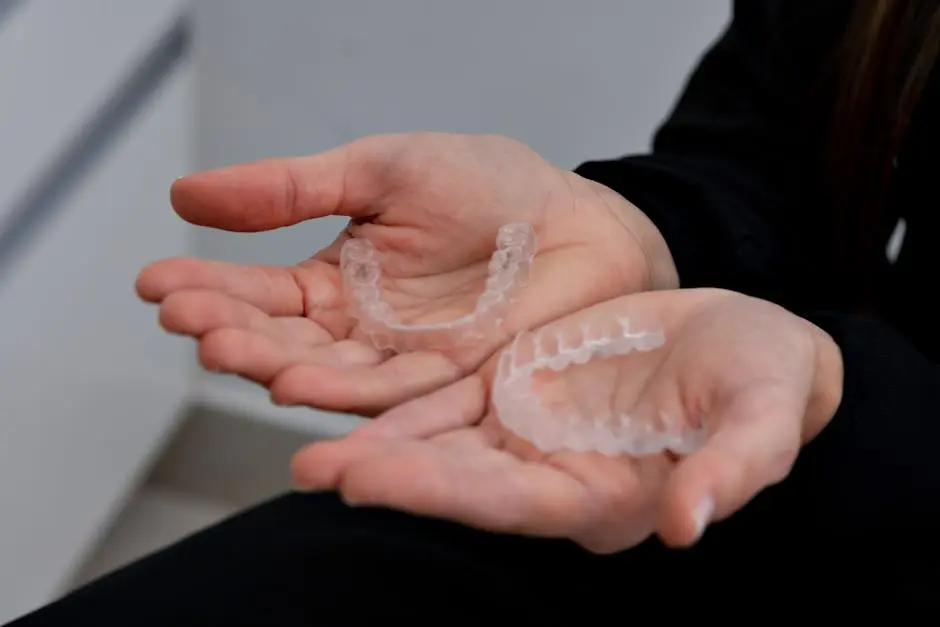
Invisalign uses a series of clear, custom-made aligners designed to move teeth in small, controlled steps. Your dentist or orthodontist typically starts with digital scans (or impressions) to map out your treatment plan before any trays are made.
Once the plan is approved, each aligner set is worn for a prescribed period—often about 1–2 weeks per tray—before moving to the next stage. Over time, the aligners apply gentle pressure to specific teeth, shifting them gradually into the planned position.
- Digital planning: 3D scans help your clinician visualize tooth movement and set goals for alignment and bite.
- Custom trays: each aligner is fabricated to fit your teeth and guide movement for that phase.
- Gradual movement: tiny adjustments across multiple tray sets add up to a noticeable smile transformation.
Invisalign aligners are designed to be nearly invisible in everyday situations because they’re made from clear medical-grade plastic. In contrast, traditional braces use metal brackets and wires that are more visually prominent, especially in close-up photos.
Invisalign vs traditional braces: comfort, visibility, and lifestyle fit
Many people compare Invisalign to braces because both options can straighten teeth, but they differ in how they look and how they’re worn. Clear aligners are removable, while braces are fixed to the teeth throughout treatment.
In terms of comfort, aligners often feel smoother at the start of each new tray set, though some pressure or tightness is normal as teeth begin moving. Traditional braces can cause irritation from brackets or wires, particularly during the first days after adjustments.
- Visibility: Invisalign trays are clear; braces are typically more noticeable.
- Removability: aligners come out for eating, brushing, and flossing.
- Tray replacement cadence: many treatment plans switch trays about every 1–2 weeks, depending on the case.
For lifestyle fit, removability is a major advantage for people who speak often, perform, travel, or need to maintain a polished appearance. That said, aligners still require consistent wear time—your results depend heavily on compliance.
Common misconceptions about Invisalign (pain, effectiveness, and “no restrictions”)
A common misconception is that Invisalign is completely painless. In reality, most patients feel initial pressure when starting a new aligner set, because teeth are responding to the planned movement.
Another myth is that Invisalign is always less effective than braces. In many cases, studies and clinical experience suggest clear aligners can achieve excellent results, but not every bite or tooth movement is equally suited to aligners—your dentist may recommend braces or additional appliances for complex issues.
- “No pain” isn’t realistic: mild discomfort or tightness is typical, especially in the first few days.
- Removability helps, but compliance matters: aligners must be worn as directed to keep treatment on track.
- Not every case is ideal: severe bite problems or certain complex movements may require braces.
Finally, while Invisalign is removable, it doesn’t mean there are truly “no restrictions.” Patients still need to avoid staining foods and drinks while trays are in, and they must keep up with cleaning to prevent plaque buildup.
Celebrities Wearing Invisalign: Who’s Been Seen With Clear Aligners?
A-list celebrities and public figures (quick-hit list)
Celebrity smiles often spark curiosity, and clear aligners are frequently credited in interviews, social posts, or media coverage. It’s important to note that not every claim is confirmed publicly, so the list below reflects reported/credited associations rather than absolute proof.
Here are well-known names that have been linked to Invisalign in public reporting or widely repeated coverage: Justin Bieber, Billie Eilish, Zac Efron, Serena Williams, Tom Cruise, Oprah Winfrey, Zendaya, Demi Lovato, Katy Perry, Kate Middleton, Khloé Kardashian, Katherine Heigl, Eva Longoria, Kendall Jenner, Kim Kardashian, Gisele Bündchen, Miley Cyrus, Justin Timberlake, Rebel Wilson, Ryan Reynolds, and Anna Kendrick.
- Music & pop: Justin Bieber, Billie Eilish, Demi Lovato, Katy Perry, Miley Cyrus, Justin Timberlake
- Film & TV: Tom Cruise, Zendaya, Eva Longoria, Katherine Heigl, Ryan Reynolds, Anna Kendrick
- Sports & public figures: Serena Williams
- Royal & media personalities: Kate Middleton, Oprah Winfrey
Even when the specific brand or method isn’t confirmed, the broader takeaway is consistent: many high-profile individuals choose discreet orthodontic options to refine their smiles with minimal disruption to their public-facing careers.
“Why they chose it” (discretion + schedule + camera-ready results)
For celebrities, orthodontic treatment isn’t just about aesthetics—it’s also about timing, discretion, and staying camera-ready. Clear aligners can be worn without the obvious “brace” look, which may be especially appealing for performers, presenters, and public figures.
Removability is another practical reason Invisalign is popular among busy schedules. Trays can be taken out for meals, interviews, and special events, which helps reduce the day-to-day friction that fixed appliances can create.
- Discretion: aligners are less visually noticeable than metal braces.
- Schedule-friendly: tray changes can often be managed at home between appointments.
- Camera-ready results: many people prefer a smile that looks natural during treatment.
Age also plays a role. Invisalign is used by both teens and adults, and many celebrities are proof that orthodontic refinement is possible well beyond the teenage years.
Case-style snapshots (what each celebrity’s Invisalign was reportedly for)
Celebrity smile stories vary widely, but they often fall into a few common orthodontic categories: spacing, crowding, and alignment refinement. The examples below are reported/credited associations based on public coverage and commonly discussed transformations.
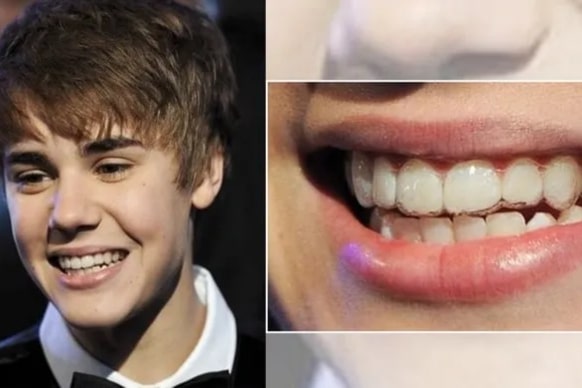
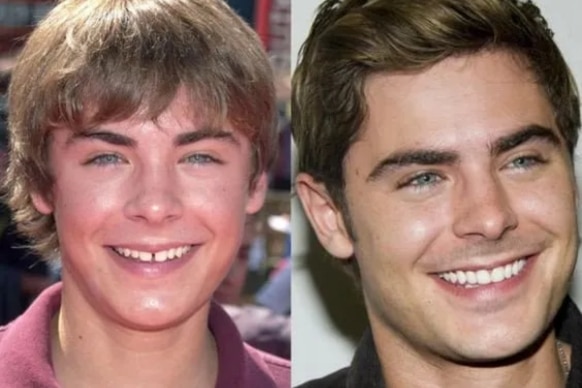
For instance, Zac Efron has been frequently linked to Invisalign for gaps/diastema and overall alignment refinement. Billie Eilish has been discussed in connection with subtle improvements such as minor spacing or midline refinement, while Justin Bieber has often been associated with correcting overcrowded teeth and improving front-to-back alignment.
- Zac Efron: reported focus on gaps/diastema and straightening for a smoother smile line.
- Billie Eilish: reported refinement for minor gaps and alignment balance.
- Justin Bieber: reported work addressing crowded teeth and front alignment.
- Kendall Jenner: reported alignment refinement after earlier orthodontic work, with a focus on stability.
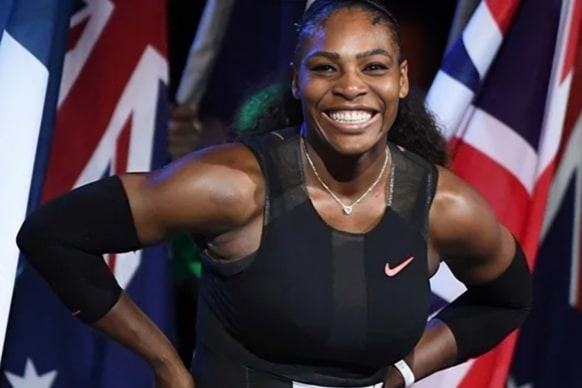
- Serena Williams: reported treatment for misalignment, with a focus on long-term smile harmony.
These snapshots highlight a key point: Invisalign can be used for many aesthetic goals, but the exact plan depends on your bite, tooth movement needs, and retention strategy.
Why Celebrities Choose Invisalign Over Braces (The Real-World Benefits)
Nearly invisible appearance for public life
When your job involves being photographed, interviewed, or filmed, appearance matters—especially during the months when teeth are actively moving. Invisalign’s clear trays can help reduce attention to orthodontic treatment, which may support confidence during the process.
Many people also want to avoid the “metal mouth” look that comes with traditional braces. While braces can be effective and sometimes necessary, clear aligners are often chosen when discretion is a priority.
- Confidence boost: less visible treatment can mean fewer self-conscious moments.
- Natural look: aligners are designed to blend with your smile.
- Photo-friendly: clear trays are typically less noticeable in close-up images.
It’s worth noting that “nearly invisible” doesn’t mean invisible in every lighting condition. However, for many patients, the difference compared with metal braces is substantial.
Removable for eating, speaking, and important events
One of the most practical advantages of Invisalign is that aligners are removable. This can make daily life easier—especially for people who eat out often, travel frequently, or have events where they want maximum comfort.
Removability also supports oral hygiene. Teeth can be brushed and flossed normally, and trays can be cleaned separately, which may help reduce the risk of plaque buildup during treatment.
- Eat with ease: trays come out for meals.
- Speak comfortably: many patients adapt quickly, though temporary speech changes can occur early on.
- Event flexibility: aligners can be removed for short periods when needed—within your clinician’s guidance.
Still, wear time is not optional. If aligners aren’t worn as directed, tooth movement can lag behind the treatment plan, potentially extending overall treatment length.
Comfort and fewer in-office adjustments (compared to braces)
Clear aligners are typically changed at home, which can reduce the number of in-office adjustments required compared with braces. Instead of tightening brackets, clinicians often monitor progress and refine the plan as needed.
During treatment, patients may have periodic check-ins to confirm that teeth are tracking as expected. Your clinician may also evaluate whether attachments (small tooth-colored bumps) are needed to improve grip and movement precision.
- Braces: frequent adjustments can be needed to tighten wires.
- Invisalign: tray swaps often happen every 1–2 weeks (case-dependent).
- Maintenance: fewer “appointment-based” changes, more home-based tray progression.
Comfort can vary from person to person, but many patients find aligners easier to manage day-to-day. If discomfort becomes severe or persists beyond the first several days of a new tray, dental professionals may recommend contacting your provider for guidance.
Common Dental Issues Invisalign Can Address (What Stars Often Correct)
Spacing and gaps (including diastema)
Spacing issues—such as a gap between the front teeth (diastema)—are among the most common reasons people explore clear aligners. Invisalign can close spaces gradually by applying controlled pressure to move teeth into the planned positions.
Because tooth movement happens in stages, patients often notice changes over time rather than all at once. Your dentist may show a digital preview of how spacing may reduce across the treatment timeline.
- How it works: aligners shift teeth step-by-step to reduce gaps.
- What to expect: early trays may feel tight as teeth begin moving.
- Case examples: Zac Efron and Miley Cyrus have been widely discussed in connection with gap-related refinements.
Some celebrities have also discussed choosing Invisalign after realizing that gaps can contribute to plaque retention and long-term gum health concerns. While every case is unique, dental professionals often emphasize that correcting spacing can support both aesthetics and oral hygiene.
Crowding and misalignment
Crowding happens when there isn’t enough space for teeth to align properly, which can lead to overlapping, rotations, or uneven bite contact. Invisalign may help by repositioning teeth in a controlled sequence, including rotating teeth and aligning the lower arch.
Many people are surprised to learn that clear aligners can address more than “straightening.” Depending on the case, aligners can also refine bite relationships and improve how teeth meet when chewing.
- Common goals: reduce crowding, correct rotations, and improve alignment symmetry.
- Movement precision: each tray set targets specific teeth for incremental shifts.
- Case examples: Justin Bieber and Katy Perry have been associated with crowding and lower-front alignment improvements.
As with any orthodontic treatment, results depend on the severity of crowding and the clinician’s treatment plan. A thorough evaluation helps determine whether Invisalign alone is sufficient or whether braces or additional appliances may be needed.
Relapse after braces and minor refinements
Even after braces, some people experience relapse—when teeth gradually shift back toward their original positions. This can happen if retainers aren’t worn consistently or if growth and bite changes continue over time.
Clear aligners can sometimes be used for “refinement” after earlier orthodontics. Invisalign may help adjust minor alignment issues and improve stability when combined with an appropriate retention plan.
- Why retainers matter: they help maintain the corrected position.
- What happens without retention: teeth may drift, especially in the lower arch.
- Case examples: Kendall Jenner has been discussed in connection with alignment refinement after earlier orthodontic work.
Dental professionals often emphasize that retention is not a “one-and-done” step. Long-term stability typically requires a retainer schedule tailored to your bite and movement history.
Treatment Timeline: How Long Invisalign Takes (and What to Expect)
Early phase: fit, pressure, and adaptation
The first days after starting Invisalign often involve a period of adjustment. Aligners may feel tight, and teeth can feel tender as they begin moving into the first planned positions.
For many patients, discomfort is manageable with soft foods and good oral hygiene. Over-the-counter pain relief may be an option for some people, but it’s best to follow your dentist’s guidance—especially if you have medical considerations.
- First 3–7 days: pressure/tenderness is most noticeable for many patients.
- Attachments (when needed): small tooth-colored features can improve tray fit and movement accuracy.
- Adaptation: speech and chewing often feel more natural as you get used to the trays.
It’s common for patients to notice that each new tray set feels slightly different. That’s because each stage is designed to nudge teeth into the next position.
Mid-treatment: tray progression and monitoring
As treatment continues, each aligner set builds on the last. Teeth move gradually, and the aligners become a new “fit” that guides the next stage of correction.
During check-ins, clinicians typically evaluate whether teeth are tracking as expected. If a tooth isn’t moving precisely, your dentist may recommend refinements, additional attachments, or a different tray sequence.
- Incremental change: progress is often measured in millimeters, not dramatic overnight shifts.
- Monitoring: clinicians assess alignment, bite contact, and tray fit.
- Typical check-ins: many plans include periodic visits spaced out over the course of treatment.
Patients who wear aligners consistently usually experience smoother progression. Those who frequently remove trays for longer-than-recommended periods may see slower movement and may require extra trays.
End phase: retention and long-term stability
The final stage of Invisalign is retention, which is essential for keeping teeth in their new positions. Without retention, teeth can shift back over time—especially as your bite adapts and your jaw continues natural changes.
Retention often involves wearing retainers for a period determined by your clinician. Some people transition from full-time wear to part-time schedules, but the exact plan varies based on your case and risk factors.
- Retainers as the “make-or-break” step: they help prevent relapse.
- Relapse risk: increases if retainers aren’t worn as directed.
- Celebrity tie-in: public discussions about “switching” or refinement often highlight the importance of long-term stability.
Even after treatment ends, dental professionals may recommend periodic check-ups to ensure everything remains aligned. A stable smile is usually the result of both orthodontic movement and consistent retention.
Invisalign Safety, Comfort, and Suitability (Who’s a Good Candidate?)
Candidate criteria (movement limits and bite considerations)
Invisalign can treat many orthodontic concerns, but the best candidate is someone whose tooth movement goals fall within the aligner system’s capabilities. Your dentist or orthodontist will evaluate your bite, tooth crowding, spacing, and overall alignment needs.
Clinicians also consider how complex the movement is—such as rotations, tipping, and certain bite corrections. Invisalign may be recommended when the planned movements can be achieved predictably with aligners and attachments.
- Common suitability: mild to moderate crowding, spacing, and alignment refinement.
- Bite evaluation: clinicians assess how upper and lower teeth meet.
- Movement complexity: not all cases are equally suited to clear trays alone.
Your dentist may discuss expected outcomes and whether Invisalign can meet your goals. A transparent conversation about limitations is part of responsible orthodontic care.
When Invisalign may be less ideal (examples of complex cases)
Some orthodontic issues may require braces or additional appliances to achieve the desired results. Complex bite problems, severe crowding, or certain types of tooth movement may be harder to manage with aligners alone.
In these situations, dental professionals may recommend a hybrid approach—such as using braces for specific stages or adding other orthodontic tools. The goal is always the same: safe, stable, and functional alignment.
- Complex bite corrections: may need fixed appliances for precision.
- Severe movement requirements: may exceed aligner movement predictability.
- Clinician assessment: your orthodontist determines the best option for your anatomy.
Choosing the right treatment plan early can prevent frustration later. If Invisalign isn’t the best fit, your provider may still offer clear aligner options or alternative orthodontic strategies.
Athlete/performer considerations (sports, filming, and schedule)
For athletes and performers, orthodontic treatment must fit training, rehearsals, and filming demands. Invisalign’s removability can be helpful for maintaining comfort and oral hygiene during busy weeks.
However, aligners still require consistent wear time, which can be challenging during travel or intense performance periods. Dental professionals often recommend planning ahead—especially for meals, hydration, and cleaning routines.
- Sports schedules: trays can be removed for meals and certain activities, but wear time still matters.
- Filming and touring: clear aligners may reduce visual distraction compared with braces.
- Oral hygiene: cleaning trays and brushing regularly helps prevent plaque buildup.
Serena Williams has been frequently associated with Invisalign in connection with misalignment correction, illustrating that even high-performance schedules can accommodate clear aligners. The key is a realistic plan and strong communication with your orthodontic team.
Invisalign Results: Do They Look Natural Like Celebrity Smiles?
What “natural” alignment means (midline, spacing, and bite harmony)
Natural-looking results aren’t just about straight teeth—they’re about how the smile fits together as a whole. Dental professionals aim for balanced aesthetics, including midline alignment, appropriate spacing, and bite harmony.
When teeth are aligned properly, the smile can look more even from multiple angles, not only in front-facing photos. Clinicians also consider how your teeth function when you chew, because a beautiful smile should also be comfortable and stable.
- Midline alignment: improvements can make the smile look more symmetrical.
- Spacing refinement: closing gaps or reducing crowding can enhance overall proportion.
- Bite harmony: correct contact patterns support long-term stability.
Billie Eilish has been discussed in connection with subtle midline or spacing refinements, which shows how “minor” changes can still create a noticeably natural look.
Before-and-after expectations (what changes most visibly)
Most Invisalign transformations are gradual, but certain changes become visible as treatment progresses. Patients often notice improvements in gaps, rotations, and crowding first, followed by more refined bite adjustments later.
Early trays may create small shifts that are easy to miss day-to-day, but photos taken every few months can show the cumulative effect. Many people also find that their smile looks better in motion—when teeth are aligned and the bite is functioning more smoothly.
- Most visible changes: reduced gaps, improved crowding, straighter tooth lines.
- Timing: early trays can show movement within weeks; full refinement often takes months.
- Case-dependent: the exact “before-and-after” depends on your starting alignment.
Because each case is planned digitally, your orthodontist may provide a timeline estimate and discuss what to expect at different stages.
Common concerns: staining, speech, and comfort over time
Some people worry that clear aligners will stain or look cloudy. While aligners are designed to be clear, staining can occur if trays are exposed to colored foods and drinks while they’re in your mouth.
Speech changes can also happen early on. Many patients adapt within a few days as the tongue learns the new shape, but temporary lisping or altered pronunciation can occur during the first week of treatment.
- Staining prevention: remove trays for coffee, tea, and other staining beverages when possible.
- Comfort over time: pressure is usually strongest at the start of a new tray set.
- Speech adaptation: practice speaking normally and expect gradual improvement.
Good cleaning habits—such as rinsing and using appropriate cleaning methods—can help keep trays looking clear throughout treatment.
Cost, Insurance, and Payment Options (What Patients Ask After Seeing Celebrities)
What influences Invisalign cost
Invisalign cost varies widely based on the complexity of the case and the total number of aligner sets required. Additional factors can include attachments, refinement stages, and the type of retention plan recommended.
Your orthodontist may also consider how much movement is needed to correct spacing, crowding, and bite relationships. More complex cases typically require more planning and more tray sets, which can increase overall cost.
- Case complexity: mild alignment vs more involved bite corrections.
- Number of trays: more stages usually means more aligners.
- Attachments and retention: both can affect total treatment planning and cost.
Because celebrities often receive specialized care and may have different insurance arrangements, their experiences don’t always reflect what most patients pay. A personalized consultation is the best way to get accurate pricing.
Insurance and financing basics
Insurance coverage for Invisalign can vary by plan and by whether orthodontic benefits are included. Some plans cover a portion of orthodontic treatment, while others may not cover aligners at all or may cover them differently than braces.
Many practices offer financing options, including monthly payment plans. Patients may want to ask about down payments, interest rates, and whether refinements are included in the original estimate.
- Coverage varies: check your plan’s orthodontic benefit details.
- Financing structures: monthly payment plans are common.
- Ask about refinements: clarify whether additional trays are included if needed.
Dental professionals can help translate insurance benefits into a practical cost estimate so patients can plan confidently.
Value comparison: braces vs Invisalign vs other aligner options
When comparing options, it helps to look beyond the sticker price. Invisalign may offer value for people who prioritize aesthetics, removability, and convenience, while braces may be better suited for certain complex movements.
Other clear aligner systems exist as well, but the best choice depends on your orthodontic needs and the experience of the provider. A qualified orthodontic team can help ensure that the treatment plan is realistic and that retention is addressed from the start.
- Invisalign may be worth it: for lifestyle needs where discretion and removability matter.
- Braces may be worth it: when fixed appliances are needed for precision.
- Provider quality matters: treatment planning and retention strategy influence outcomes.
Ultimately, the “best” option is the one that achieves your goals safely and sustainably—while fitting your daily life.
Prevention & Maintenance: Keeping Your Smile Healthy During Invisalign
Oral hygiene routine with aligners (brush, floss, clean trays)
Maintaining oral hygiene during Invisalign is essential for both comfort and results. Because aligners are removable, patients can brush and floss normally, which can support healthier gums throughout treatment.
Tray cleaning is also important. Plaque and residue can build up on aligners if they aren’t rinsed and cleaned regularly, which can affect clarity and freshness.
- Brush: at least twice daily with fluoride toothpaste.
- Floss: daily to remove food between teeth.
- Clean trays: rinse after meals and clean according to your clinician’s instructions.
Some patients find that using a dedicated aligner cleaning routine helps them stay consistent. Your dental team can recommend safe cleaning methods that won’t damage the trays.
Diet and habits during treatment (what to avoid)
Removable trays reduce dietary restrictions compared with braces, but they don’t eliminate the need for smart habits. When trays are out for meals, it’s easier to eat normally, yet the timing and cleaning routine still matter.
While aligners are in your mouth, avoid staining foods and drinks such as coffee, tea, and colored sodas. If trays are exposed to these regularly, they may become less clear over time.
- While trays are in: avoid sugary snacks and staining beverages.
- While trays are out: eat normally, then brush and rinse before reinserting.
- Consistency: keeping a routine helps prevent plaque buildup.
Habits like frequent snacking can also increase the risk of cavities because teeth are exposed to sugars more often. Dental professionals often recommend planning meals and limiting “grazing” throughout the day.
Retainer wear and relapse prevention
Retention is where many people either succeed long-term or struggle with relapse. After Invisalign treatment ends, retainers help keep teeth stable while your bite and surrounding tissues settle into the new alignment.
Relapse risk increases when retainers aren’t worn as directed. Even if teeth look great right after treatment, small shifts can occur over months or years without consistent retention.
- Follow the schedule: wear retainers exactly as your orthodontist recommends.
- Don’t skip check-ins: periodic monitoring can catch early changes.
- Celebrity lesson: publicly discussed “refinement” stories often point back to retention importance.
For long-term stability, retainers are not optional. They are the final step that protects the investment of time, comfort, and cost.
Frequently Asked Questions
Which celebrities are known for wearing Invisalign?
Several celebrities have been reported or credited with using Invisalign, including Justin Bieber, Billie Eilish, Zac Efron, Serena Williams, Tom Cruise, Oprah Winfrey, Zendaya, Demi Lovato, Katy Perry, Kate Middleton, Khloé Kardashian, Katherine Heigl, Eva Longoria, Kendall Jenner, Miley Cyrus, and Justin Timberlake. Because not every public claim is officially confirmed, these associations should be viewed as widely reported rather than guaranteed proof.
Is Invisalign only for teens, or can adults get it too?
Invisalign is not limited to teens. Adults are commonly treated with clear aligners, and many orthodontic cases are designed for adult lifestyles and bite needs.
Your dentist may recommend Invisalign when your tooth movement goals and bite considerations fit aligner capabilities, regardless of age.
How often do Invisalign trays get replaced?
Many Invisalign treatment plans replace aligners about every 1–2 weeks, though the exact cadence varies by case and by your clinician’s plan. Some patients may progress faster or slower depending on how their teeth respond.
Does Invisalign hurt?
Invisalign can cause mild to moderate discomfort, especially during the first few days after starting or switching to a new tray set. This pressure is often normal and typically improves as your mouth adapts.
Severe pain is not typical—if discomfort is persistent or worsening, contact your orthodontic provider.
Can I remove Invisalign for meals and special events?
Yes. Invisalign aligners are removable for eating, brushing, flossing, and special events, which is one reason many people prefer them over fixed braces.
However, wear time still matters for results, so aligners should be out only for the time your dentist recommends.
What happens if I don’t wear my aligners enough?
Insufficient wear time can slow tooth movement and cause trays to fit poorly or not track correctly. This may extend treatment length and increase the chance that additional trays or refinements are needed.
Do I still need retainers after Invisalign?
Yes. Retainers are essential for long-term stability, because teeth can shift over time if retention isn’t maintained.
Your orthodontist will provide a retainer schedule tailored to your case, and following it closely helps reduce relapse risk.
Who is not a good candidate for Invisalign?
Some people may not be ideal candidates if their bite issues or required tooth movements are too complex for aligners alone. Your dentist may recommend braces or additional orthodontic appliances depending on movement limits and bite considerations.
A thorough evaluation is the best way to determine whether Invisalign is the right fit.
Comparison Table: Invisalign vs Traditional Braces (Why People Switch)
Side-by-side comparison (visibility, comfort, removability, maintenance)
| Category | Invisalign (Clear Aligners) | Traditional Braces |
|---|---|---|
| Visibility | Nearly invisible clear trays | Metal brackets and wires are noticeable |
| Removability | Removable for meals and cleaning | Fixed to teeth throughout treatment |
| Comfort | Smooth trays; mild pressure after tray changes | May irritate cheeks/lips, especially after adjustments |
| Maintenance | Brush/floss normally; clean trays separately | Special brushes needed around brackets; food can catch |
| Appointment frequency | Progress checks; tray swaps often at home | Regular tightening/adjustments |
| Diet | Fewer restrictions because trays come out | More restrictions to protect brackets |
Both options can be effective, but the “best” choice depends on your orthodontic needs and how you want treatment to fit into daily life.
“Best for” scenarios (teens, adults, athletes, busy professionals)
Invisalign is often chosen by people who want a discreet look during treatment and prefer the convenience of removable trays. Busy professionals, performers, and athletes may find that clear aligners support their routines more smoothly than fixed braces.
That said, braces can still be the right choice for certain complex cases. The best approach is determined by your orthodontic evaluation, not by trends.
- Teens: discreet appearance and easier cleaning habits.
- Adults: professional-friendly look and removable convenience.
- Athletes: fewer visible appliances and manageable oral hygiene.
- Busy professionals: at-home tray progression between check-ins.
Celebrity lifestyles reflect these priorities—discretion, schedule flexibility, and camera-ready results—though your personal goals may differ.
Decision checklist (questions to ask your orthodontist)
Before choosing Invisalign or braces, it helps to ask targeted questions that clarify outcomes, timeline, and retention. A good orthodontic team will explain what’s realistic for your specific teeth and bite.
Use this checklist to guide your consultation and ensure you understand the plan from start to finish.
- What specific issues can Invisalign address in my case (spacing, crowding, bite)?
- What is the estimated timeline and how many tray sets are expected?
- Will attachments or refinements likely be needed?
- What retention plan is recommended to prevent relapse?
- What are the total costs and what payment options are available?
- How will progress be monitored, and what happens if trays don’t track?
Clear answers help patients feel confident and prepared—especially when treatment requires consistent wear and follow-through.
Choosing the Right Invisalign Provider (How to Get Celebrity-Level Results)
What to look for in an orthodontic team
Celebrity-level results aren’t only about the aligners—they’re about the orthodontic expertise behind the plan. When choosing a provider, look for experience with Invisalign cases and a treatment philosophy that prioritizes both aesthetics and long-term stability.
Retention strategy is a major differentiator. A provider who treats retention as a core part of the plan—not an afterthought—can help reduce relapse risk and protect your investment.
- Experience: ask how many Invisalign cases the team manages.
- Planning quality: digital planning and realistic goal-setting.
- Retention focus: clear retainer recommendations and schedules.
Our team at Smile Avenue Family Dentistry emphasizes that the best outcomes come from careful planning, consistent monitoring, and a retention plan designed for your bite and lifestyle.
Treatment planning tools and monitoring
High-quality Invisalign treatment typically includes digital scans, a detailed treatment plan, and monitoring to ensure teeth track as expected. Clinicians may use progress records to verify movement and adjust the plan if needed.
Monitoring matters because tooth movement can vary slightly from prediction. When a tooth doesn’t track perfectly, your provider may recommend refinements or additional tray sets to achieve the intended result.
- Digital planning: helps visualize alignment goals and bite changes.
- Progress checks: confirm tray fit and movement accuracy.
- Refinement readiness: ensures adjustments are handled professionally.
Patients benefit most when the provider communicates clearly about what to expect at each stage and how to respond if tracking issues arise.
Local consultation goals (what to bring and what to ask)
A consultation is the best time to clarify whether Invisalign is appropriate for your goals and timeline. Bringing relevant information helps your orthodontist evaluate your case efficiently and accurately.
Consider bringing photos of your smile from different angles, any prior orthodontic records, and a list of questions about cost, timeline, and retention. If you have specific events coming up—weddings, performances, or travel—share those dates so the plan can be timed appropriately.
- Bring: photos, prior orthodontic history, and any bite concerns.
- Ask about: expected timeline, total cost, and retainer schedule.
- Confirm suitability: ask whether Invisalign can meet your movement goals.
With the right plan and provider, Invisalign can help many patients achieve a natural-looking smile—similar to what people admire in celebrities wearing invisalign stories—while still being tailored to individual needs.
If a celebrity-style smile feels within reach, the next step is simple: schedule a consultation with a qualified orthodontic provider to discuss your goals, review your bite and alignment needs, and get a personalized Invisalign plan.