Cypress, TX: (832) 648-1756

Are Veneers Worth the Cost?

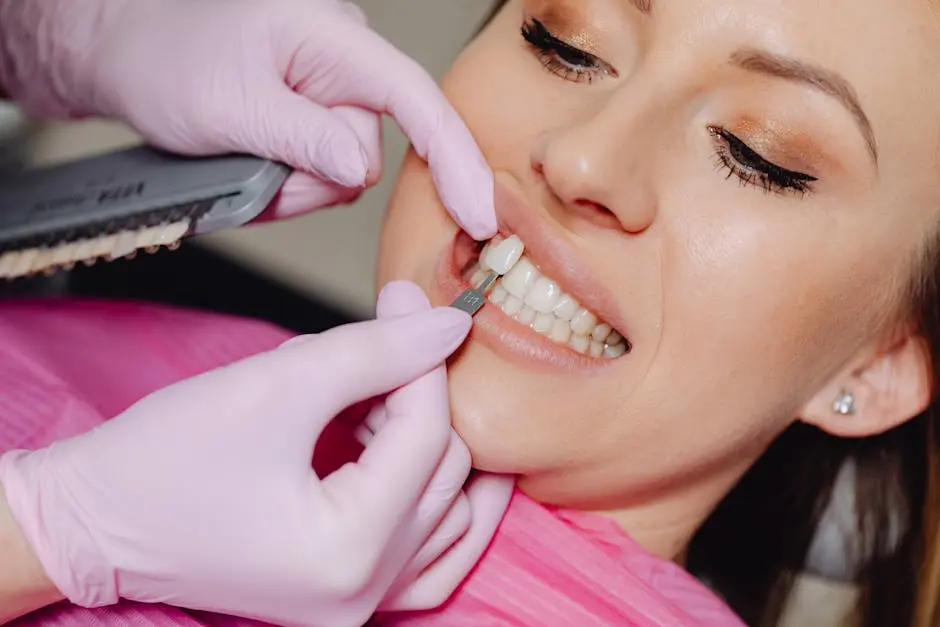
Veneers are a popular dental solution for achieving a perfect smile, but they can come with a hefty price tag. If you’re considering veneers, you might be wondering if they are worth the investment. In this FAQ blog, we’ll weigh the pros and cons to help you make an informed decision.

What Are Veneers?
Veneers are thin shells made of porcelain or composite resin that are bonded to the front of your teeth to improve their appearance. They can correct various dental issues such as discoloration, chips, or gaps. By choosing veneers, you can achieve a natural-looking and aesthetically pleasing smile with minimal intrusion. These shells are custom-made to fit alongside your natural teeth, providing both durability and a seamless look.
Patients often choose veneers to cover up imperfections in their teeth without the need for more intensive orthodontic procedures. This cosmetic solution is highly sought after by those desiring an enhanced appearance in a short amount of time, which can be particularly appealing for individuals under the limelight.
How Much Do Veneers Typically Cost?
The cost of veneers can vary significantly based on factors such as the material used and the dentist’s expertise. On average, you can expect to pay between (800 and )2,500 per tooth. This variance is influenced by the type of veneer you choose—porcelain generally costing more than composite veneers due to their longevity and natural look.
While veneers might seem expensive initially, consider their longevity and the fact that they do not stain like natural teeth. If maintained properly, porcelain veneers can last up to 20 years, providing enduring value for the upfront investment. It’s crucial to weigh this long-term benefit against the initial cost expenditure.
You should also factor in potential maintenance or replacement costs over time. While the initial investment can be substantial, the enhancements to your confidence and smile aesthetics might make the decision worthwhile for many.
What Are the Benefits of Veneers?
Veneers offer a quick solution for a flawless smile, are stain-resistant, and can last for 10 to 15 years with proper care. They provide an instant boost in confidence for many individuals. Not only do they cover discolored and worn-out teeth, but they also create a uniform appearance, which is often desired by those looking to perfect their smiles.
The process of getting veneers does not take long compared to other dental procedures. Usually, in just a few visits, one can have their new smile ready. For people with demanding schedules, this quick turnaround is highly beneficial.
In a societal context where appearance can impact social and professional interactions, having a captivating smile can make a difference in one’s life. The psychological benefits often outweigh the financial considerations, making veneers a life-changing investment for many.
It’s also worth noting that veneers are universally admired for maintaining their natural luster and brightness. These qualities mean fewer worries about coffee stains or stubborn discoloration that often plague natural teeth.
What Are the Potential Downsides?
While veneers are durable, they require permanent alteration of your natural teeth. The preparation of teeth for veneers means removing a small amount of enamel to ensure a good fit, which is an irreversible process. As such, once you choose veneers, you must commit to maintaining them for the long term.
Another drawback to consider is that veneers, despite their robustness, are not immune to damage. They’ll need to be treated with care to prevent chipping or cracking. Additionally, if a veneer does fall off or breaks, repairs can be costly.
It’s important to remember that not everyone is a candidate for veneers. Those with severe gum disease or weakened teeth might not be suited for this procedure. It’s crucial to consult a qualified dentist to evaluate your suitability for veneers.
Are There Alternatives to Veneers?
Before opting for veneers, consider other cosmetic dentistry options like bonding, teeth whitening, or orthodontic treatments, which might be more suitable for your needs and budget. These alternatives can be less invasive and come at a lower cost, though they may not offer the same transformative aesthetic as veneers.
Teeth whitening is a popular option for those primarily concerned with tooth discoloration. This non-invasive procedure can enhance the brightness of your smile without altering the tooth structure.
For those with alignment issues, orthodontic solutions like braces or aligners can provide more sustainable results by treating the root cause of misalignment instead of merely surfacing the issue with veneers.
How to Decide If Veneers Are Right for You?
Consider your dental goals, budget, and the overall health of your teeth. Consult with a qualified dentist to discuss the potential benefits and drawbacks tailored to your specific situation. An expert will help you understand how veneers can enhance your features and cater to your expectations.
It is essential to have realistic expectations and understand the permanence of the procedure. Ask your dentist about the procedure’s implications and maintenance to make an informed decision.
At the end of the day, investing in veneers is a personal decision. If achieving a perfect smile is your top priority and fits within your budget, veneers may be worth considering. Otherwise, exploring alternate routes could be the wise choice.
Making Your Decision
Deciding if veneers are worth the cost depends on your personal dental goals and budget. While they can offer a quick and effective way to enhance your smile, it’s important to weigh the long-term investment against factors like maintenance and potential alternatives.