Cypress, TX: (832) 648-1756
15 Things Your Cypress Dentist Wants You to Know About Oral Health


Taking care of your oral health is not just about keeping your teeth white; it’s an essential part of your overall well-being. Your Cypress dentist has shared some valuable insights to help you maintain a healthy smile. Let’s explore some lesser-known but crucial tips for your dental care routine.
1. Why Regular Dental Visits Matter
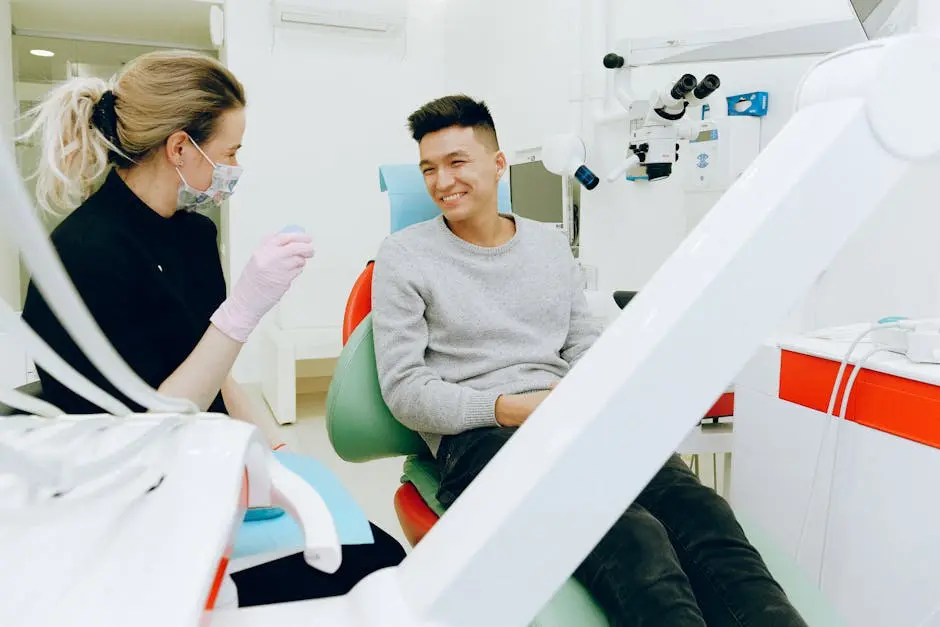
Regular dental check-ups are crucial not just for addressing current issues but also for preventing potential problems. Your Cypress dentist can help catch signs of trouble before they become serious. It’s like having a safety net for your oral health. Think of these visits as not just routine procedures, but essential steps in maintaining a longer-lasting smile. Besides, having a trusted dental partner ensures that you’re on top of your oral health game.
Apart from preventing issues like cavities and gum disease, these visits provide an opportunity to receive professional cleaning, which removes plaque and tartar that regular brushing can miss. Regular appointments further allow for updated dental records, enabling your dentist to monitor any changes and adapt your treatment plan accordingly.
2. Brushing Techniques That Work Best
It’s not just about brushing twice a day, but how you do it. Using the right technique ensures that you clean more effectively and protect your gums from damage. A common recommendation from dentists is the Modified Bass technique. This involves holding your brush at a 45-degree angle to your gums and gently moving in circular motions. This method not only cleans your teeth but also massages your gums, improving circulation.
Brushing duration is equally important. Make sure to brush for at least two minutes for optimal results. And don’t forget to replace your toothbrush every three months or if the bristles are frayed. A fresh brush is key to effective cleaning.
3. The Importance of Flossing Daily
Flossing is often overlooked but is vital for removing food particles and plaque between teeth where your brush can’t reach. Think of it as a form of dental thread that glides into spaces, cleaning areas a toothbrush can’t access. Regular flossing prevents gum disease by keeping bacteria from hiding in those hard-to-reach spots.
Flossing at least once a day, preferably before bedtime, is recommended. This way, you remove the day’s food debris and plaque before it turns into tartar. Pair this habit with regular dental visits for comprehensive oral care.
4. Choosing the Right Toothpaste
With so many options available, it’s important to select a toothpaste that suits your specific dental needs, whether it’s cavity protection or sensitivity relief. Your toothpaste should contain fluoride, which strengthens tooth enamel and provides cavity protection. For those with sensitive teeth, there are specially formulated kinds of toothpaste that help block any pathways to the tooth’s nerve endings.
Whitening toothpaste can be effective for stains caused by surface discoloration, but they should be used with caution to avoid wearing down enamel. Always choose toothpaste that is ADA-approved for reassurance of safety and efficacy.
5. Understanding the Role of Your Diet
What you eat not only affects your overall health but also your oral health. A balanced diet can help maintain strong teeth and gums. Foods rich in calcium and phosphates, such as dairy products, nuts, and leafy greens, are excellent for tooth health. They contribute by rebuilding enamel, much like little warriors fighting off acids.
Sugary and acidic foods should be consumed in moderation. They can erode tooth enamel, leading to cavities and sensitivity over time. Consider rinsing your mouth with water after consuming them to minimize their impact.
6. How Smoking Impacts Oral Health
Smoking is detrimental not just to your lungs but also to your teeth and gums, leading to issues like staining and gum disease. The tar in cigarettes stains teeth, leaving them discolored. More worrying is that smoking can lead to gum disease by affecting the attachment of soft tissue and bone to your teeth.
Quitting smoking has immediate benefits for oral health. Gums will gradually stop receding, and overall mouth health begins to improve. If you’re considering quitting, there are numerous resources available that provide support and practical tips to help you achieve a smoke-free lifestyle.
7. Addressing Bad Breath Concerns
Bad breath can often be a sign of underlying oral issues. Understanding its causes can help you tackle it effectively. One common cause is food particles left in the mouth, which are broken down by bacteria, releasing foul-smelling gases.
Proper oral hygiene practices are usually the first step in addressing bad breath. This includes brushing your tongue and drinking plenty of water to avoid dry mouth, which can exacerbate the issue. Consider visiting your dentist if bad breath persists, to rule out any serious conditions.
8. The Value of Mouthwash
Using a mouthwash can provide additional cleaning and freshness. Learn when and how to use it for the best results. Therapeutic mouthwashes can help combat issues such as gingivitis and plaque, while cosmetic mouthwashes merely mask bad breath temporarily.
Mouthwash is most effective when used after brushing and flossing. Swish the mouthwash around your mouth for about 30 seconds to help reduce bacteria. However, it should not replace regular brushing and flossing.
9. Protecting Your Teeth During Sports
If you’re an athlete, wearing a mouthguard can help prevent dental injuries. Learn about different types of mouthguards available. Custom-fitted mouthguards offer the best protection as they are molded to fit your teeth perfectly.
Available in various forms, including stock, boil-and-bite, and custom-fitted, mouthguards can significantly reduce the risk of injuries such as broken teeth and cut lips. Ask your dentist which type is right for your sport and needs.
10. Understanding Gum Health
Healthy gums are the foundation of a healthy mouth. Recognizing signs of gum disease can lead to early intervention. Key signs include red, swollen gums, bleeding when brushing, and persistent bad breath.
Gum disease is a major cause of tooth loss in adults and affects overall health. By maintaining good oral hygiene and regular dental visits, you can protect your gums and detect issues early. Your dentist might also suggest a dental cleaning schedule tailored to your needs.
11. The Impact of Stress on Your Teeth
Stress can lead to habits like teeth grinding, which can damage your teeth over time. Find out how to mitigate these effects. Bruxism, commonly known as teeth grinding, often occurs during sleep and can result in cracked teeth and headaches.
If you suspect stress-induced bruxism, your dentist may recommend a night guard. It’s also beneficial to explore stress-management techniques such as exercise, meditation, or therapy to address the root cause of stress.
12. Recognizing the Signs of Oral Cancer
Early detection of oral cancer significantly increases the effectiveness of treatment. Be aware of the signs and symptoms. These can include persistent sores, lumps, and patches in the mouth.
Regular dental check-ups often include a screening for oral cancer, which is why they are crucial. Early diagnosis can dramatically improve treatment options and outcomes.
13. The Link Between Oral Health and Heart Health
There’s a strong connection between oral health and heart health. Maintaining your oral hygiene can benefit your heart. Studies have shown that gum disease is a risk factor for cardiovascular disease.
Ensuring oral health through regular brushing, flossing, and dentist visits can have a preventative effect on overall health, reducing the risk of heart-related issues.
14. The Benefits of Fluoride for Your Teeth
Fluoride strengthens teeth and prevents decay. Learn how fluoride treatments can be part of your preventive care. It works by rebuilding weakened tooth enamel and reversing early signs of decay.
Fluoride is found in various forms like toothpaste, drinking water, and professional treatments at your dental office. Speak with your dentist about personalized fluoride use, tailored to your dental health needs.
15. Keeping Up with Dental Technology
Advancements in dental technology mean better care and healthier smiles. Staying informed about these technologies can enhance your dental experience. Innovations like 3D imaging and laser dentistry have transformed how procedures are conducted.
New technologies can make treatments faster and more comfortable, often reducing recovery times and improving accuracy. Your dentist can offer insights into the latest advancements, helping you make informed choices about your oral health.