Cypress, TX: (832) 648-1756
How Laser Gum Surgery Can Help Treat Gum Disease

Gum disease, also known as periodontal disease, is a prevalent oral health concern affecting millions worldwide. It’s a progressive condition caused by plaque buildup and bacterial infection that inflames and damages gum tissue and the bone supporting your teeth. Left untreated, gum disease can lead to severe consequences, including tooth loss.
Traditionally, scaling and root planing have been the mainstays of gum disease treatment. This non-surgical deep cleaning removes plaque and tartar from below the gum line. However, for advanced cases or individuals seeking a less invasive approach, laser gum surgery has emerged as a promising alternative.
Understanding Gum Disease and Its Treatment Challenges
Before delving into laser gum surgery, it’s essential to understand gum disease and the challenges associated with its treatment. Gum disease is caused by bacterial infection and inflammation of the gums, leading to symptoms such as gum recession, bleeding, swelling, and eventual tooth loss if left unchecked. Traditional treatment methods typically involve scaling and root planing (deep cleaning) to remove plaque and tartar buildup from the gum line and tooth roots. In severe cases, surgical procedures like flap surgery or gum grafting may be necessary to restore gum health.
While these methods have proven effective, they can be invasive, uncomfortable, and require extended recovery periods. Additionally, some patients may experience anxiety or fear associated with traditional surgical procedures.
How Laser Gum Surgery Works
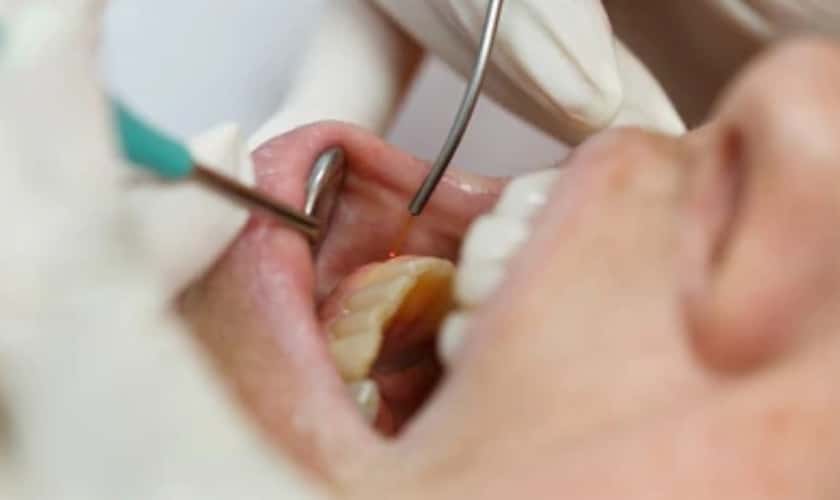
Laser gum surgery, also known as laser periodontal therapy or LANAP, offers a minimally invasive alternative to traditional gum disease treatment. The procedure utilizes a specialized dental laser to target and remove infected gum tissue and bacteria while simultaneously promoting the regeneration of healthy gum tissue and bone.
Here’s how laser gum surgery works:
- Diagnosis and Assessment: Your dentist will perform a thorough examination to assess the extent of your gum disease and determine if laser gum surgery is the right treatment option for you.
- Anesthesia: Local anesthesia is administered to ensure a pain-free experience during the procedure. However, compared to traditional surgery, laser gum surgery typically involves minimal discomfort both during and after the procedure.
- Laser Treatment: A dental laser is used to precisely target and remove diseased gum tissue and bacteria from the affected areas. The laser energy also stimulates the regeneration of healthy gum tissue and bone, promoting the formation of new attachments between the gums and teeth.
- Sealing and Healing: Once the infected tissue has been removed, the laser is used to seal the treated area, minimizing bleeding and reducing the risk of infection. The body’s natural healing process then takes over, promoting the growth of healthy gum tissue and restoring oral health.
Benefits of Laser Gum Surgery for Gum Disease Treatment
Periodontal therapy offers several advantages over traditional treatment methods:
- Minimally Invasive: Periodontal therapy is minimally invasive compared to traditional surgical procedures, resulting in less discomfort, swelling, and bleeding during and after the procedure.
- Faster Healing: The precision of the dental laser allows for faster healing and recovery times compared to traditional surgery. Patients can typically return to their normal activities sooner after Periodontal therapy.
- Reduced Risk of Infection: The laser’s ability to seal the treated area helps reduce the risk of post-operative infection, leading to a smoother recovery process.
- Preservation of Healthy Tissue: Unlike traditional surgical methods, which may require the removal of healthy gum tissue, laser gum surgery selectively targets diseased tissue while preserving surrounding healthy tissue.
- Stimulates Regeneration: Laser energy stimulates the regeneration of healthy gum tissue and bone, promoting long-term periodontal health and stability.
LANAP (Laser-Assisted New Attachment Procedure) is a major improvement in gum disease treatment. It’s minimally invasive, comfortable, and effective compared to traditional surgery. Dentists use lasers to precisely remove diseased tissue and promote healthy gum and bone growth.
As awareness grows and technology advances, laser gum surgery could become the preferred treatment for gum disease. If you have gum disease symptoms, consult your dentist about laser gum surgery as an option.