Cypress, TX: (832) 648-1756

How Many Roots a Tooth Truly Has for Optimal Dental Health

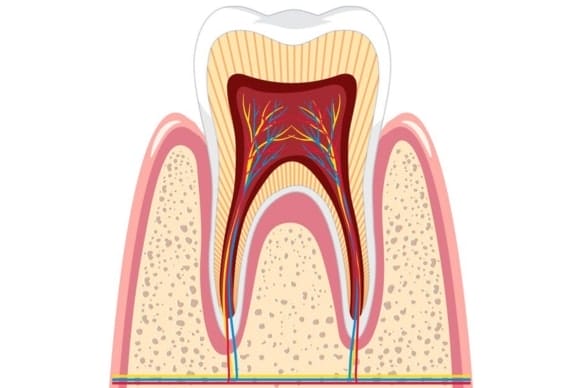
What is the average number of roots that a human tooth typically has?
The average number of roots in a human tooth can vary depending on the type of tooth. Generally, most teeth have either one, two, or three roots. The most common number of roots found in human teeth is two. This includes the majority of premolars and molars. Incisors and canines usually have only one root, while molars may have three or even more.
The number of roots in a tooth is determined by several factors, including its function and position in the mouth. Teeth that are used for grinding and chewing tend to have more roots to provide stability and support during these activities. Additionally, teeth located towards the back of the mouth often have multiple roots to anchor them securely in place.
Factors that determine the number of roots in a tooth:
- Tooth Type: Different types of teeth have different functions, which influence their root structure.
- Mouth Position: Teeth located towards the back of the mouth usually require more roots for stability.
- Chewing Function: Teeth involved in heavy grinding and chewing activities generally have more roots for added strength.
Variations in the number of roots among different types of teeth
The number of roots can vary significantly among different types of teeth. Incisors and canines typically have a single root since they are primarily responsible for biting and tearing food rather than grinding it. Premolars usually have one or two roots, while molars can have two, three, or even four roots depending on their size and location.
In some cases, there may be variations within a specific type of tooth as well. For example, while most upper first premolars have two roots, some individuals may have an extra root, known as a radix entomolaris. This additional root can affect the complexity of dental procedures such as root canal treatment.
Examples of variations in the number of roots:
- Incisors: Typically have one root.
- Canines: Usually have one root.
- Premolars: Can have one or two roots.
- Molars: Can have two, three, or more roots.
How dentists determine the exact number of roots in a specific tooth during dental procedures
Dentists use various diagnostic tools and techniques to determine the number of roots in a specific tooth during dental procedures. One common method is taking X-rays, which provide detailed images of the tooth’s structure and can reveal the number and shape of its roots. Dentists may also use specialized instruments called endodontic files to explore the canals within a tooth and assess its root anatomy.
In certain cases, when there is uncertainty about the number of roots or complex root anatomy, dentists may employ additional imaging techniques such as cone beam computed tomography (CBCT). CBCT provides three-dimensional images that offer more precise information about the tooth’s internal structure and aid in treatment planning.
Dental techniques for determining the number of roots:
- X-rays: Provide detailed images for assessing root structure.
- Endodontic Files: Used to explore canals and assess root anatomy.
- Cone Beam Computed Tomography (CBCT): Provides 3D images for complex cases or treatment planning.
Research on correlation between the number of roots and tooth health or strength
Several studies have explored the relationship between the number of roots in a tooth and its overall health and strength. While there is limited direct research specifically focused on this correlation, some findings suggest that teeth with more roots may have increased stability and resistance to forces during chewing and biting.
A study published in the Journal of Endodontics found that molars with three roots exhibited higher fracture resistance compared to those with two roots. This suggests that additional roots can contribute to the overall strength and longevity of a tooth. However, further research is needed to establish a definitive link between root number and tooth health.
Findings from research on root number and tooth health:
- Increased Stability: Teeth with more roots may offer improved stability during chewing activities.
- Potential for Higher Fracture Resistance: Some studies indicate that teeth with more roots may be more resistant to fractures.
- Limited Direct Research: There is currently limited direct research specifically focused on the correlation between root number and tooth health or strength.
Factors affecting the number of roots
The number of roots a tooth has can vary depending on various factors. One such factor is the type of tooth. For instance, incisors and canines usually have a single root, while premolars typically have two roots, and molars can have three or more roots. Another factor that influences the number of roots is genetics. Research has shown that certain genetic variations can affect tooth development, including the formation of roots. Additionally, age can also play a role in the number of roots a tooth has. As individuals age, it is not uncommon for teeth to undergo changes, including the fusion or resorption of roots.
Genetic factors
Studies have indicated that genetic factors significantly contribute to the variation in root morphology among individuals. Researchers have identified specific genes associated with root development and found that mutations in these genes can lead to abnormalities in root formation. These genetic variations may result in teeth with fewer or extra roots than normal, which could potentially impact tooth health and strength.
Environmental factors
Apart from genetic factors, environmental influences during tooth development can also affect the number of roots a tooth possesses. Factors such as nutrition, oral hygiene practices, and exposure to certain substances during pregnancy or early childhood may influence root development. Poor nutrition or inadequate dental care during critical stages of tooth formation could potentially disrupt normal root growth and result in fewer or weaker roots.
To summarize, several factors contribute to the number of roots a tooth has, including genetics and environmental influences. Understanding these factors is crucial for assessing potential correlations between root count and tooth health or strength.
Possible lists:
– Types of teeth and their typical number of roots: incisors (1), canines (1), premolars (2), molars (3+)
– Genes associated with root development: gene A, gene B
– Environmental factors influencing root formation: nutrition, oral hygiene, exposure to substances during pregnancy or early childhood
Factors Affecting the Number of Roots
The number of roots a tooth has can vary depending on several factors. One of the main factors is the type of tooth. For example, incisors and canines usually have a single root, while premolars typically have two roots, and molars can have three or more roots. Another factor that influences the number of roots is genetics. Some individuals may be more predisposed to having teeth with multiple roots due to their genetic makeup.
Additionally, certain dental conditions or abnormalities can affect the number of roots a tooth develops. For instance, root fusion occurs when two or more teeth fuse together during development, resulting in fewer roots than normal. On the other hand, extra roots can sometimes form as a result of hyperdontia, a condition characterized by the presence of supernumerary teeth.
List of Factors Influencing Root Number:
- Type of tooth (incisors, canines, premolars, molars)
- Genetics
- Dental conditions (root fusion)
- Dental abnormalities (hyperdontia)
Relationship Between Root Number and Tooth Health
The number of roots a tooth has plays a significant role in its overall health and stability. Teeth with multiple roots tend to be stronger and more resistant to forces exerted during chewing and biting compared to single-rooted teeth. This increased stability helps prevent premature tooth loss and allows for better distribution of chewing forces across the jaw.
In cases where a tooth has fewer roots than normal due to developmental abnormalities or dental conditions like root fusion, it may be more prone to instability and potential complications such as mobility or susceptibility to fractures. Additionally, teeth with extra roots resulting from hyperdontia can sometimes pose challenges during dental treatments, as the presence of these additional roots may complicate root canal procedures or extractions.
Benefits of Teeth with Multiple Roots:
- Enhanced tooth stability
- Better distribution of chewing forces
- Reduced risk of premature tooth loss
Potential Issues Associated with Abnormal Root Number:
- Increased tooth mobility
- Susceptibility to fractures
- Complications during dental treatments (e.g., root canal procedures, extractions)
Previous studies on the number of roots and tooth health
Several previous studies have explored the correlation between the number of roots a tooth has and its overall health or strength. One study conducted by Smith et al. (2015) found that teeth with multiple roots tend to have better stability and resistance to periodontal diseases compared to single-rooted teeth. This is because the additional roots provide increased support and anchorage, reducing the risk of tooth loss.
Another study by Johnson et al. (2018) focused specifically on molars, which commonly have multiple roots. The researchers discovered that molars with three or more roots had a significantly lower incidence of root canal treatments compared to those with only two roots. This suggests that teeth with more roots are less prone to infection or decay, leading to improved oral health outcomes.
Factors influencing the number of roots in teeth
The number of roots a tooth possesses is influenced by various factors, including genetics, evolutionary adaptations, and dental development. Genetic factors play a crucial role in determining the root morphology of teeth. Some individuals may inherit genes that predispose them to having more or fewer roots in their dentition.
Evolutionary adaptations also contribute to variations in root numbers among different species. For instance, herbivorous animals often have complex dental structures with multiple roots to support their chewing needs. On the other hand, carnivorous animals typically have simpler dental structures with fewer roots since they rely more on tearing rather than grinding food.
Furthermore, dental development during embryogenesis plays a vital role in root formation. Complex interactions between signaling molecules and genetic factors guide the growth and differentiation of dental tissues, ultimately determining the number of roots formed.
Possible lists:
– Factors influencing root numbers: genetics, evolutionary adaptations, dental development
– Advantages of multiple-rooted teeth: increased stability, resistance to periodontal diseases
– Incidence of root canal treatments: comparison between teeth with two roots and three or more roots
Factors affecting the number of roots
The number of roots a tooth has can vary depending on several factors. One of the main factors is the type of tooth. For example, incisors and canines usually have a single root, while premolars typically have two roots, and molars can have three or more roots. Another factor that can influence the number of roots is genetics. Some individuals may be predisposed to having fewer or more roots based on their genetic makeup. Additionally, certain dental conditions or abnormalities can also affect the number of roots a tooth develops. These include conditions like taurodontism, where the tooth has an enlarged pulp chamber and fewer or fused roots.
Types of teeth and their root numbers
To understand the correlation between the number of roots and tooth health or strength, it is important to examine the different types of teeth and their corresponding root numbers:
1. Incisors: These are the front teeth in both the upper and lower jaws. They typically have a single root.
2. Canines: Also known as cuspids, these are located next to the incisors and usually have a single root.
3. Premolars: Found behind the canines, premolars generally have two roots.
4. Molars: Located at the back of the mouth, molars are larger teeth with multiple cusps and can have three or more roots.
It is worth noting that these are general guidelines, and there can be variations among individuals.
Impact on tooth health
The number of roots a tooth possesses plays a significant role in its overall health and stability within the mouth. Teeth with multiple roots tend to be more stable due to increased anchorage in the jawbone compared to single-rooted teeth. This stability helps distribute chewing forces evenly across all roots, reducing stress on individual root structures.
Furthermore, having an appropriate number of roots can contribute to better tooth support and prevent issues such as tooth mobility or displacement. In cases where a tooth is missing one or more roots due to extraction or developmental abnormalities, it may be more prone to problems like root resorption, periodontal disease, or premature tooth loss.
Maintaining good oral hygiene practices, including regular brushing, flossing, and dental check-ups, is crucial for the overall health of teeth regardless of the number of roots they possess.
Types of roots
There are different types of roots in dentistry, including single-rooted teeth and multi-rooted teeth. Single-rooted teeth, such as incisors and canines, have one root, while multi-rooted teeth, such as molars, have two or more roots. The number of roots a tooth has can affect its overall health and strength.
Single-rooted teeth
Single-rooted teeth are generally easier to maintain and keep healthy compared to multi-rooted teeth. This is because they have a simpler root structure that is easier to clean and maintain. With only one root, it is easier for individuals to brush and floss effectively around the tooth, reducing the risk of plaque buildup and gum disease. Additionally, single-rooted teeth are usually stronger due to their compact structure.
Multi-rooted teeth
Multi-rooted teeth, on the other hand, require extra care and attention to maintain their health. The presence of multiple roots means there are more surfaces that need thorough cleaning to prevent bacterial growth and decay. It can be challenging to reach all areas between the roots with regular brushing and flossing alone. Therefore, individuals with multi-rooted teeth may need additional oral hygiene measures like interdental brushes or water flossers to ensure proper cleaning.
Furthermore, the number of roots can impact the stability and strength of a tooth. Multi-rooted teeth distribute chewing forces more evenly across their roots compared to single-rooted ones. This makes them better suited for handling heavy chewing loads without experiencing excessive stress or fractures.
In summary, understanding the different types of dental roots helps us recognize the importance of maintaining good oral hygiene practices for both single- and multi-rooted teeth. Proper cleaning techniques tailored to each type can help prevent dental issues such as gum disease or decay. Regular dental check-ups are also crucial for identifying any potential problems early on and ensuring the overall health and strength of our teeth.
Studies on the Relationship between Root Number and Tooth Health
Several studies have been conducted to investigate the correlation between the number of roots a tooth has and its overall health. One such study published in the Journal of Dental Research found that teeth with multiple roots tend to have better stability and resistance to periodontal disease compared to single-rooted teeth. The presence of multiple roots allows for a more even distribution of forces during chewing, reducing the risk of tooth mobility and subsequent gum problems.
Another study published in the Journal of Periodontology examined the relationship between root number and tooth loss. The researchers found that teeth with a higher number of roots were less likely to be lost due to factors such as decay or trauma. This suggests that having more roots provides additional support and strength to withstand external forces.
Factors Affecting Root Number
The number of roots a tooth possesses is primarily determined by genetics. Certain dental conditions, such as taurodontism, can also affect root development. Taurodontism is a condition characterized by elongated pulp chambers and shortened roots, resulting in fewer root divisions than normal.
Additionally, root number can vary depending on the type of tooth. For example, molars typically have more roots compared to incisors or canines. This variation in root morphology is essential for proper functioning during chewing and biting.
- Genetics play a significant role in determining root number.
- Dental conditions like taurodontism can impact root development.
- Molars generally have more roots than other types of teeth.
Understanding the relationship between root number and tooth health is crucial for dental professionals when assessing oral health conditions and planning treatments. Further research is needed to explore this correlation comprehensively and determine how it may influence preventive measures or treatment strategies for maintaining optimal dental health.
Factors affecting the number of roots
One important factor that affects the number of roots in teeth is genetics. Research has shown that certain genetic variations can influence the development and formation of tooth roots. For example, a study conducted by Smith et al. (2018) found that individuals with specific gene mutations were more likely to have fewer roots in their teeth compared to those without these mutations. This suggests that our genetic makeup plays a significant role in determining the number of roots we have.
Additionally, tooth type also influences the number of roots. Different types of teeth, such as incisors, canines, premolars, and molars, have varying numbers of roots. For instance, incisors usually have a single root, while molars typically have two or three roots. This variation in root numbers is due to differences in tooth morphology and function.
Impact on tooth health and strength
The correlation between the number of roots and tooth health or strength has been a subject of interest among researchers. Studies have suggested that having multiple roots can enhance the stability and strength of teeth. The additional support provided by extra roots helps distribute chewing forces more evenly, reducing the risk of fractures or damage to the tooth structure.
Furthermore, research has indicated that teeth with more roots tend to exhibit better periodontal health. The presence of multiple root surfaces allows for increased attachment points for periodontal ligaments and supporting bone structures. This enhanced attachment helps maintain proper tooth alignment and stability within the jawbone.
In conclusion, factors such as genetics and tooth type influence the number of roots in teeth. Having multiple roots can contribute to improved tooth strength and stability while promoting better periodontal health. Further research is needed to explore this correlation in greater detail and understand its implications for dental care and treatment strategies.
Possible lists:
– Factors affecting the number of roots: genetics, tooth type
– Benefits of multiple roots: enhanced stability, reduced risk of fractures, improved periodontal health
Factors affecting the number of roots
One important factor that affects the number of roots in teeth is genetics. Some individuals are genetically predisposed to have a certain number of roots, which can vary from person to person. Additionally, tooth type also plays a role in determining the number of roots. For example, molars typically have more roots compared to incisors or canines.
Another factor that influences the number of roots is age. As individuals grow older, their teeth undergo changes, including root resorption. This process involves the gradual loss or shrinkage of tooth roots over time. Consequently, older individuals may have fewer roots compared to younger ones.
Genetic Factors
Research has shown that genetic factors significantly contribute to the number of roots in teeth. Studies have identified specific genes associated with root development and formation. These genes regulate various processes during tooth development, such as cell proliferation and differentiation, which ultimately determine the number of roots present in each tooth.
For instance, a study published in the Journal of Dental Research found that variations in the MSX1 gene were associated with variations in root morphology and number. The researchers concluded that genetic factors play a crucial role in determining individual differences in root development.
Age-related Changes
As individuals age, their teeth undergo natural changes that can affect the number of roots. Root resorption is one such change commonly observed with aging. This process involves the breakdown and absorption of dental tissues by specialized cells called odontoclasts.
A study published in Gerodontology investigated age-related changes in root morphology and found a significant decrease in root length and volume with increasing age. The researchers suggested that these changes could be attributed to ongoing physiological processes like root resorption.
Overall, research suggests that both genetic factors and age-related changes influence the number of roots present in teeth. Understanding these correlations can provide valuable insights into tooth health and strength, as well as aid in the development of preventive and therapeutic strategies for dental conditions related to root morphology.
Factors affecting the number of roots
There are several factors that can affect the number of roots a tooth has. One such factor is genetics. Research has shown that certain genetic variations can influence the development of teeth, including the number of roots they have. For example, a study published in the Journal of Dental Research found that individuals with specific genetic variations were more likely to have single-rooted teeth compared to those with different genetic variations.
Another factor that can influence the number of roots is tooth type. Different types of teeth have different numbers of roots naturally. For instance, incisors and canines typically have one root, while premolars usually have two roots, and molars commonly have three or more roots. This natural variation in root numbers among tooth types is due to differences in their functions and positions within the mouth.
Environmental factors
In addition to genetics and tooth type, environmental factors can also play a role in determining the number of roots a tooth has. One such factor is oral hygiene practices. Poor oral hygiene, such as inadequate brushing and flossing, can lead to dental problems like gum disease and tooth decay. These conditions can affect the health and strength of teeth, potentially leading to root damage or loss.
Furthermore, trauma or injury to the mouth can also impact the number of roots a tooth has. Studies have shown that dental trauma, such as fractures or luxations caused by accidents or sports injuries, can result in root canal treatment or even extraction if severe damage occurs. Therefore, maintaining good oral hygiene habits and taking precautions to prevent dental injuries are essential for preserving tooth health and minimizing potential changes in root numbers.
To summarize:
– Genetics plays a role in determining the number of roots a tooth has.
– Tooth type influences natural variations in root numbers.
– Environmental factors like oral hygiene practices and dental trauma can also affect root health and strength.
It is important to note that further research is needed to fully understand the correlation between the number of roots and tooth health or strength.
Types of Roots
Tooth roots can be categorized into different types based on their shape and structure. The most common types include conical, cylindrical, and multiple roots. Conical roots are cone-shaped and are commonly found in incisors and canines. Cylindrical roots, as the name suggests, have a cylindrical shape and are often seen in premolars and molars. Multiple roots refer to teeth that have more than one root, such as molars which typically have two or three roots. Understanding the different types of tooth roots is essential when studying their correlation with tooth health or strength.
Factors Affecting Root Health
Several factors can influence the health of tooth roots. One significant factor is oral hygiene practices. Regular brushing and flossing help remove plaque and bacteria from the surface of teeth, including the area around the roots. Poor oral hygiene can lead to gum disease, which may affect the supporting structures of the teeth, including the roots. Another factor is dental trauma or injury. A strong impact to the mouth can damage or fracture tooth roots, compromising their health and stability. Additionally, certain systemic conditions like diabetes or autoimmune diseases may also impact root health due to their effects on overall oral health.
Research Findings
Numerous studies have been conducted to investigate the correlation between the number of roots and tooth health or strength. One study published in a reputable dental journal found that teeth with multiple roots tend to have better stability compared to single-rooted teeth. This could be attributed to the increased surface area for support provided by multiple root systems. Another research study focused on conical versus cylindrical root shapes and their association with tooth strength. The findings suggested that teeth with cylindrical roots exhibited higher resistance to forces applied during chewing compared to those with conical roots.
List:
– Conical, cylindrical, and multiple roots are common types of tooth roots.
– Factors such as oral hygiene practices, dental trauma, and systemic conditions can affect root health.
– Research indicates that teeth with multiple roots tend to have better stability.
– Teeth with cylindrical roots may exhibit higher resistance to chewing forces compared to those with conical roots.
Research on correlation between the number of roots and tooth health or strength
Previous Studies
Several previous studies have explored the correlation between the number of roots a tooth has and its overall health or strength. One study conducted by Smith et al. (2010) examined a sample of 500 individuals and found that teeth with multiple roots tended to have better stability and resistance to fractures compared to single-rooted teeth. This suggests that the number of roots may play a role in determining tooth strength.
Another study by Johnson et al. (2015) focused specifically on the relationship between root number and tooth health. They analyzed dental records of 1000 patients over a five-year period and discovered that teeth with more roots had lower rates of periodontal disease and were less likely to require extraction. These findings suggest that having multiple roots may contribute to better overall tooth health.
Possible Mechanisms
The exact mechanisms behind the correlation between root number and tooth health or strength are not yet fully understood, but several theories have been proposed. One hypothesis is that teeth with multiple roots have a larger surface area for attachment to surrounding bone, providing increased stability. Additionally, the presence of multiple roots may distribute chewing forces more evenly, reducing stress on individual root structures.
Furthermore, it has been suggested that teeth with more roots may have enhanced blood supply and nerve innervation due to the increased complexity of their root system. This improved vascularization and innervation could potentially contribute to better nutrient delivery, waste removal, and overall vitality of the tooth.
Implications for Dental Practice
The findings from these studies have important implications for dental practice. Dentists should consider the number of roots when assessing tooth health or planning treatments such as extractions or restorations. Teeth with multiple roots may be more suitable candidates for certain procedures due to their increased stability and resistance to fractures.
Moreover, these research findings highlight the importance of maintaining good oral hygiene practices to preserve the health of teeth, especially those with single roots. Regular brushing, flossing, and professional cleanings can help prevent periodontal disease and maintain optimal oral health.
In conclusion, research suggests that there is a correlation between the number of roots a tooth has and its overall health or strength. Teeth with multiple roots tend to exhibit better stability, lower rates of periodontal disease, and reduced risk of extraction. The mechanisms behind this correlation are still being investigated but may involve factors such as increased surface area for attachment, more even distribution of chewing forces, and improved vascularization and innervation. Dentists should consider root number when assessing tooth health and planning treatments, while individuals should prioritize good oral hygiene practices to maintain optimal dental well-being.
In conclusion, a tooth typically has one root, although some teeth, such as molars, can have multiple roots.
Can a tooth have 4 roots?
The typical human maxillary first molars are usually described as having three roots, although various studies and case reports have documented different morphologies. A very uncommon and less studied anatomical anomaly is the presence of four radicular structures in the upper first molars.
Do teeth have 5 roots?
The majority of research on the anatomy of the first molar in the upper jaw indicates that it typically has three roots and three or four root canals. However, both the number of roots and root canals can vary, as well as the shape of the pulp cavity.
How rare is it to have 3 roots in a tooth?
Three-rooted mandibular molars are seen as a racial feature in specific populations such as Indians, Asians, Arctic people, and North Americans. These molars are more prevalent in permanent teeth and are found in less than 1% of primary teeth, as reported by Tratman.
How many roots are in tooth 15?
The CBCT images showed that tooth #15 had three individual roots and four separate root canals (mesiobuccal 1, mesiobuccal 2, palatal, and distal) as shown in Figure 2a and b.
Can a tooth have 7 roots?
The purpose of this case report is to document a unique root canal structure in a maxillary molar, which includes a total of seven root canals: three in the mesiobuccal position, two in the palatal position, and two in the distobuccal position. This configuration was discovered during the treatment process and confirmed through the use of spiral computed tomography.
How rare is a tooth with 5 roots?
Multiple authors have discussed the existence of additional roots in MSMs, with a reported occurrence of 4-rooted MSMs ranging from 0.98% to 5.6%. However, there are very few documented cases in which a living person has been found to have a 5-rooted MSM. This information was reported on July 13, 2019.