Cypress, TX: (832) 648-1756
8 Myths About Implant Dental Near Me Debunked

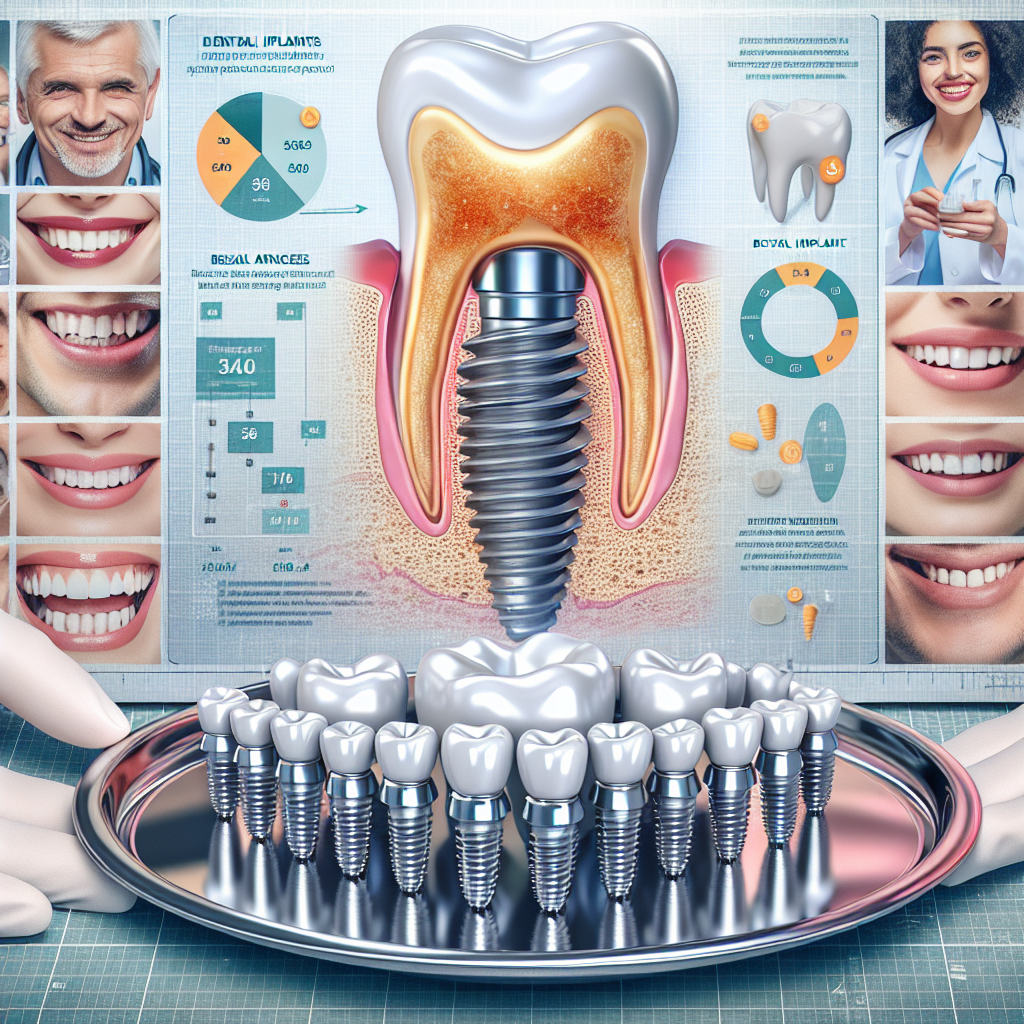
Dental implants have revolutionized oral healthcare, yet misconceptions still abound. In this blog, we’ll debunk eight common myths about implant dental procedures near you, providing clarity and peace of mind.

1. Implant Dental Procedures Are Painful
Many patients worry that getting dental implants will be an excruciating experience, but this fear doesn’t have to hold weight. With advancements in dental technology and anesthesia, the discomfort experienced during the procedure is minimal. Most patients report that the process is comparable to a standard dental extraction. The local anesthesia used ensures that the area is numb, and you remain comfortable throughout dental implant surgery. Some mild soreness afterward is normal and manageable with over-the-counter pain relief.
The recovery phase often adds to the anxiety due to concerns about post-surgery pain. However, it’s worth noting that most individuals return to their routine activities quickly, experiencing only mild discomfort similar to after routine dental procedures. Proper post-operative care, as advised by your dental professional, can greatly facilitate a swift and painless recovery. Dental specialists generally provide comprehensive care plans to ensure comfort and effective healing post-surgery.
2. Dental Implants Are Only for the Elderly
It’s a common misconception that dental implants are only suitable for older adults missing multiple teeth. On the contrary, dental implants can be an excellent solution for adults of all ages. They are recommended for anyone who has lost a tooth due to injury, decay, or other health conditions. The versatility of implants means they cater to diverse needs beyond age considerations. They offer a permanent solution that mimics natural tooth function and aesthetics, making them a favorable choice across different age groups.
Indeed, the suitability for dental implants hinges on individual oral health rather than age. Factors such as sufficient bone density and healthy gums are more critical determinants for the candidacy of dental implants. Young adults who have fully developed bone structures and older adults alike can benefit from this transformative procedure. If you’re considering an implant dental near me, consulting your dental professional is a great step to discovering an option tailored specifically to your needs.
3. Implants Are Too Expensive
The cost of dental implants often intimidates potential candidates, with many assuming it is prohibitively expensive. However, it’s important to view implants as a long-term investment rather than an immediate expense. Unlike dentures or bridges, which may require frequent replacements or adjustments, dental implants are designed to last a lifetime with proper care. This longevity can often translate to cost savings over the years, making them a savvy investment in your dental health.
Many dental practices offer flexible payment plans or financing options to make implants more accessible. Dental insurance companies increasingly recognize the value of implants and may cover part of the procedure, reducing out-of-pocket expenses. Speaking with your insurance provider and dental office about coverage options and payment plans can help navigate potential financial concerns. Remember, the investment in dental implants is an investment in your health and quality of life, with significant benefits that far outlast the initial cost.
4. They Look Fake and Unnatural
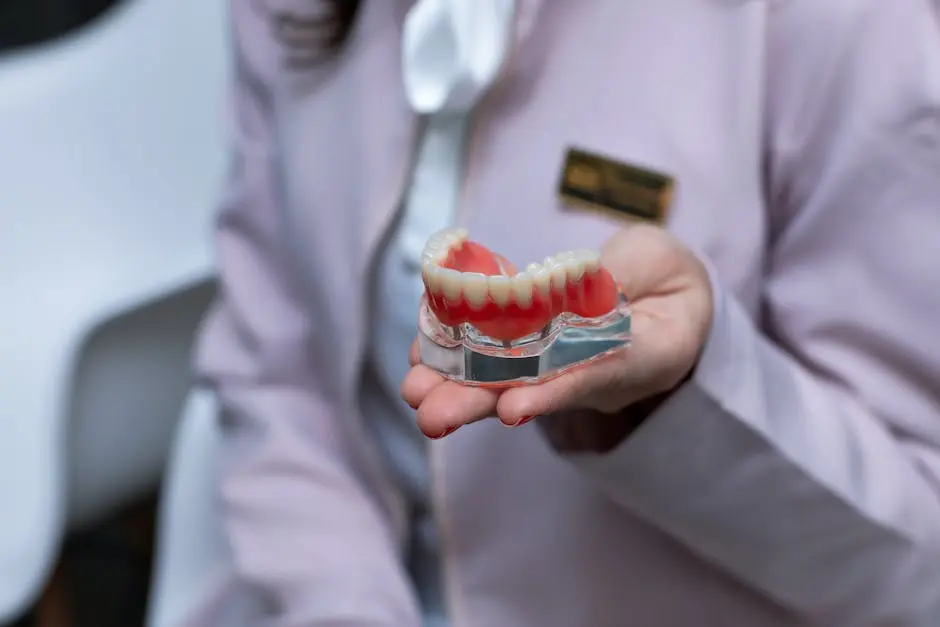
The fear of having obvious, artificial-looking teeth discourages some from considering dental implants. However, today’s implants are crafted to resemble natural teeth closely in both appearance and function. Skilled professionals customize the implant to match the shade and contour of your existing teeth, ensuring a seamless blend into your smile. The aesthetic precision achieved makes it virtually impossible for anyone to discern which tooth is an implant, allowing you to smile with confidence.
Additionally, dental implants encourage natural jawbone growth, maintaining facial symmetry and preventing the sunken appearance that might result from traditional tooth loss solutions like dentures. This means that aesthetically, they not only replicate the appearance of natural teeth but also their form and structural role within the mouth. If you wish to learn more about achieving a flawless smile with implants, consider visiting our comprehensive guide which delves deeper into cosmetic and functional aspects of implants.
5. The Procedure Has a Low Success Rate
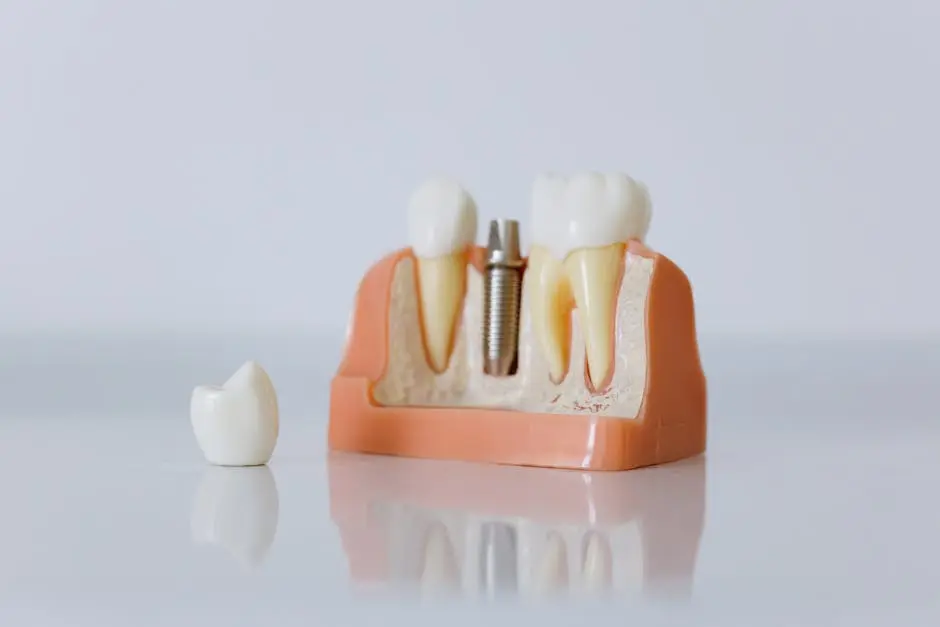
Contrary to popular belief, dental implants boast a high success rate, often quoted around 95-98% when conducted professionally under suitable conditions. Success largely depends on choosing experienced professionals and adhering to recommended care practices post-surgery. Once implanted, the integration process, known as osseointegration, forms a strong, permanent bond with the jawbone, much like natural tooth roots, ensuring stability and durability. This information is backed by extensive research and real-world dental implant success cases.
While some might fear implant rejection, it’s relatively rare and often attributed to factors like smoking, poor oral hygiene, or pre-existing medical conditions. Following your dental expert’s advice regarding maintenance and routine check-ups significantly contributes towards the long-term success of the implant. By debunking the myth of low success rates, more patients can confidently explore implants as a reliable method for tooth restoration.
6. Recovery Requires a Long Time Off Work
Many potential candidates shy away from dental implants due to the misconception that recovery is long and arduous. However, this expectation doesn’t align with most patients’ experiences. Generally, individuals can return to their normal daily activities within a few days of the procedure, with some needing only a day or two for initial recovery. Although there might be temporary dietary restrictions to accommodate healing, it usually involves simple modifications like soft and non-abrasive foods.
For those concerned about taking excessive time off work, it’s encouraging to note that modern implant techniques are designed for efficiency both in surgery and recovery. This makes dental implants a convenient option even for busy schedules. Patients are usually fit to resume light activities shortly after. Routine follow-ups, which can often be scheduled around your existing commitments, are key to ensuring a smooth recovery post-implant. Always consult your dentist for personalized advice on recovery to maximize efficiency and comfort.
7. All Dentists Provide the Same Implant Quality
It’s a prevalent myth that all dentists perform implant procedures to the same standard. However, the quality and success of the implant can vary significantly depending on the expertise and technology available at a dental practice. It’s important to seek services from experienced professionals specializing in implants, ensuring you receive top-tier care tailored to your individual needs. At Smile Avenue Family Dentistry, we provide personalized treatments with exceptional attention to detail, making us a leading choice for dental implants in Katy, TX.
When exploring implant options, researching potential dentists can make a significant difference in outcomes. Look for facilities with state-of-the-art technology and positive patient reviews. Easily accessible consultation services allow you to ask questions and set realistic expectations. Always verify the credentials and experience of the dental professionals, as well as inquire about the materials used in implant procedures, to ensure you’re making the best choice for your oral health needs.
8. Dental Implants Require Special Care
People often believe that maintaining dental implants involves complex and excessive care routines. In reality, caring for dental implants is quite straightforward and similar to regular oral hygiene practices. Simple daily habits such as thorough brushing, careful flossing, and regular dental check-ups are generally sufficient to ensure implants’ longevity and functionality. Practicing good oral hygiene not only preserves the health of your implant but also that of your natural teeth.
It’s crucial, however, to avoid abrasive tools and techniques that could damage the implant. Soft-bristled brushes and non-abrasive toothpaste are recommended to clean around the implant and gumline. Regular professional cleanings and examinations help in detecting any potential issues early on, ensuring continued oral health. For further guidance, consulting a qualified dental professional about the best care practices is key to achieving a flawless smile, and giving you peace of mind about your dental implants.