Cypress, TX: (832) 648-1756
9 Myths About the Cost of Full Mouth Dental Implants Debunked

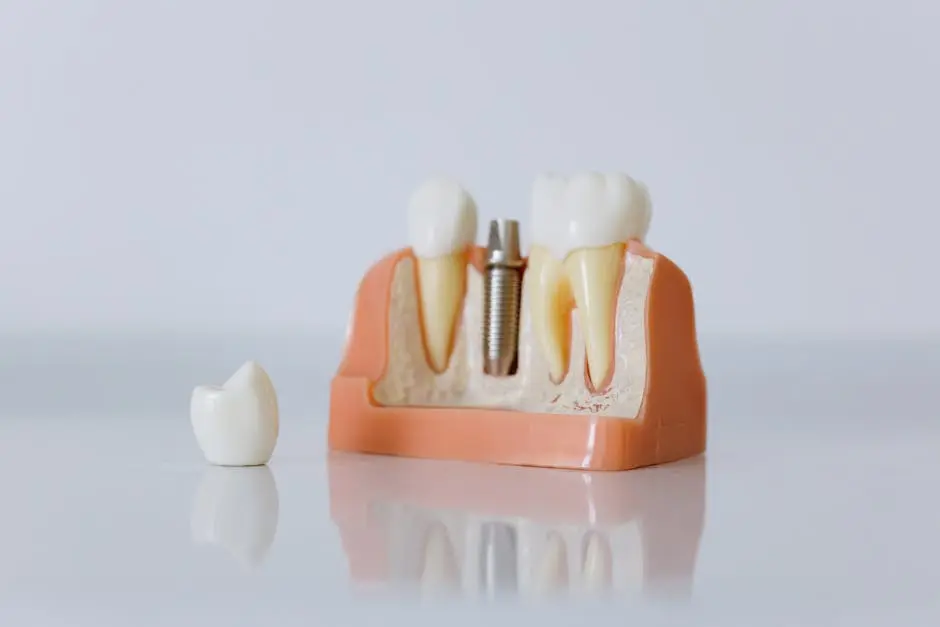
Full mouth dental implants can be life-changing, yet the cost is often shrouded in myths that lead to confusion. In this post, we will debunk the most common myths about the expense involved in getting full mouth dental implants, providing you with the facts you need to make an informed decision.

1. Dental Implants Are Only for the Wealthy
Contrary to popular belief, dental implants are not reserved for the elite. Many dental offices offer payment plans and financing options, making them accessible to a broader audience. This democratization of dental care means that procedures previously deemed out of reach for the average consumer are now within grasp. For instance, various clinics provide financing solutions that allow patients to pay for procedures over time, alleviating the immediate financial burden. Furthermore, platforms like CareCredit and Proceed Finance specifically cater to dental procedures, offering revolving credit lines that patients can use for treatments like full mouth dental implants.
This myth persists partly because of the traditional view that healthcare, especially dental care, is exceedingly costly unless subsidized by insurance. However, proactive dental clinics are shifting this paradigm, aiming to make treatment plans financially viable for more individuals. It’s crucial for prospective patients to research and engage with their chosen clinics to discover these inclusive payment models. Such efforts help break down the barriers to dental health, allowing more people to access the transformative benefits of a complete and healthy smile. This shift makes it clear: financial resources should no longer be a hindrance to achieving optimal oral health.
2. All Dental Implants Cost the Same
The cost of dental implants can vary significantly based on factors such as the materials used, the expertise of the dental surgeon, and geographical location. Material choice, for example, can impact both the price and longevity of the implant. Titanium implants are often considered the gold standard due to their durability and biocompatibility, though they can be more costly. Alternatively, zirconia implants, while less expensive, offer similar benefits with a more aesthetic appeal for some patients. Moreover, these material options can significantly influence the final cost, making understanding your needs and the potential longevity critical when making a decision.
Additionally, the experience and qualifications of the dental surgeon play a vital role in the overall pricing. Surgeons with extensive training and a solid track record in complex implant procedures may charge more, but their expertise often yields better outcomes. Finally, geographical factors can influence pricing, with urban centers typically exhibiting higher prices than rural areas due to overhead costs. Prospective patients should consider these variations and seek consultations from various providers to fully comprehend the cost landscape. This tailored approach ensures that patients receive personalized care that aligns with their dental needs and financial circumstances, ultimately debunking the myth of uniform implant pricing.
3. Insurance Never Covers Implants
While not all insurance plans cover dental implants, many providers are beginning to offer partial coverage. It’s worth checking with your insurance company to understand your benefits. As the recognition for the necessity and benefits of implants grows, so does the insurance industry’s adaptation to include various procedures under their coverage. Policies might not cover the entire cost, but progressive insurers now offer plans that cater to part of the expense, significantly reducing the out-of-pocket burden for patients.
It remains essential for patients to meticulously review their insurance policies or speak with a representative to uncover the full extent of their dental benefits concerning implants. Certain policies might include coverage under major medical supplies, rehabilitation, or prosthodontics, areas often overlooked by policyholders. Furthermore, some employers offer flexible spending accounts (FSAs) or health savings accounts (HSAs), which can also be used to offset implant costs. Thoroughly investigating these opportunities can lead to substantial financial relief, ultimately making implants an achievable reality rather than a financially daunting myth.
4. Less Expensive Options Are Just as Good
Cutting costs may lead to compromises in quality, potentially affecting the durability and longevity of the implants. It’s essential to consider the long-term value rather than just the initial cost. While cheaper alternatives may provide short-term savings, they often lack the permanence, strength, and natural appearance offered by more thoroughly engineered solutions like dental implants. Opting for a lower-cost treatment option might lead to additional expenses in the future, such as repairs or replacements, which could negate any initial savings.
To avoid potential pitfalls associated with less expensive options, it’s crucial to evaluate the specific benefits and durability that established implant methods guarantee. Technological advancements and material improvements ensure that reputable implants offer a lifetime solution, minimizing the need for additional procedures or replacements. By taking a comprehensive view that considers both immediate costs and long-term benefits, patients are more likely to make informed decisions that support their dental health and financial wellbeing over the years. This perception shift is vital in dismantling the myth that cutting corners equates to smart saving.
5. Only One Type of Implant Exists
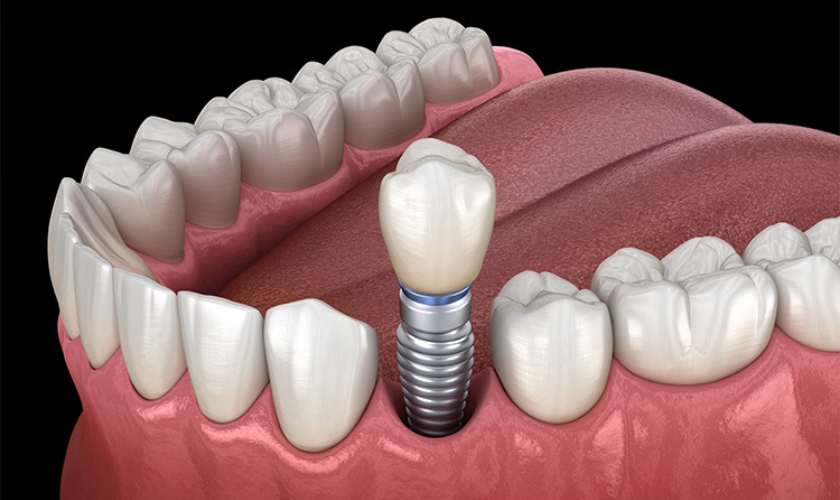
There are various types of implants, each suited to different needs and budgets. Some may be more affordable while still providing excellent results. Known types include endosteal and subperiosteal implants, each offering unique advantages depending on the patient’s jaw structure and health conditions. Endosteal implants are popular due to their effectiveness and compatibility with most bone structures, often chosen due to their secure osseointegration with jawbones.
Moreover, different advancements like the All-on-4 technique cater to those needing a full set restoration without individual implants for each tooth. This approach uses fewer implants to support a full arch, reducing overall costs and surgical invasiveness. Implementations of novel techniques showcase the range of options available, debunking the singleton implant myth. By understanding the spectrum of solutions available, patients can align their dental restoration choices with specific oral health needs and budget allowances. Visiting a knowledgeable dentist who can guide through these options ensures that patients receive the most suitable type of implant for their individual scenario, further mitigating the myth of limited options.
6. Home Remedies Can Substitute Dental Implants
No home remedy or over-the-counter treatment can replace the function and aesthetics of professional dental implants. While it may be tempting to explore cost-saving shortcuts, such solutions simply cannot mimic the effectiveness or durability of a professionally installed implant. Temporary patches or store-bought kits address neither the structural integrity required nor the aesthetic demands of modern dental solutions. They might suffice for transient cosmetic quick fixes but fall short of restoring functionality or halting potential bone deterioration caused by missing teeth.
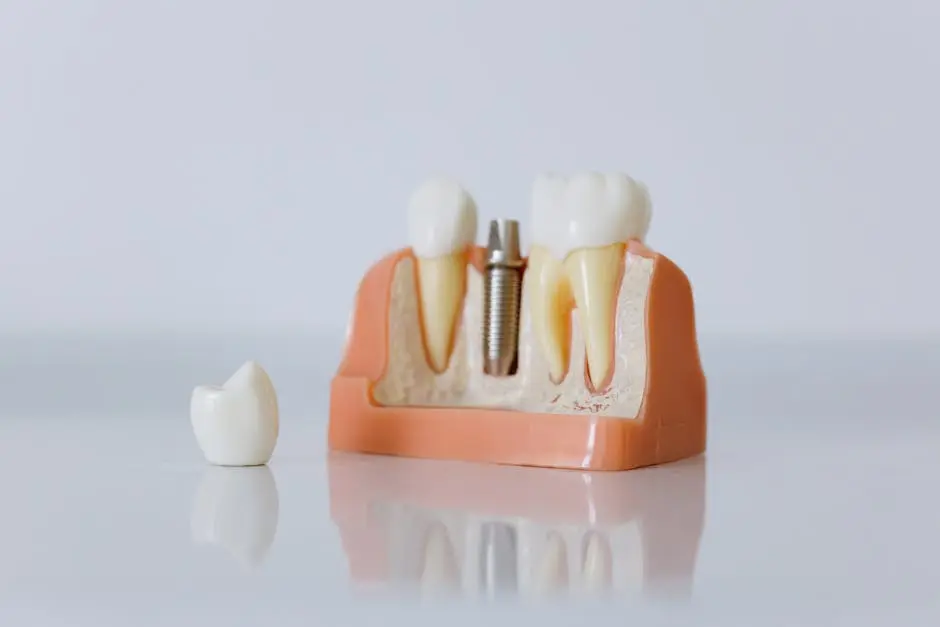
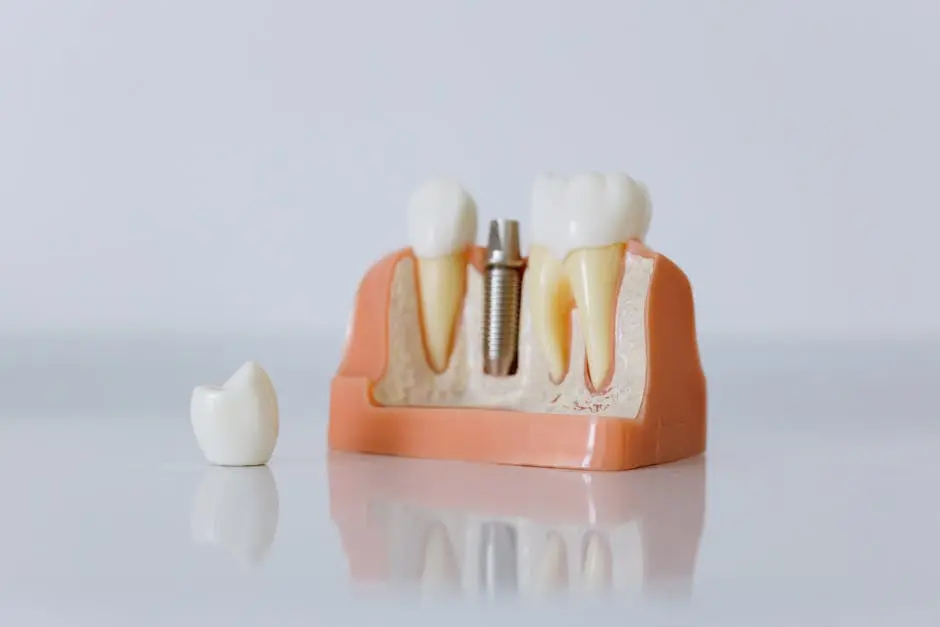
Professional dental implants are engineered to replicate the root of a natural tooth, offering unparalleled support and preventing further oral health issues. They aid in maintaining jawbone density and provide a stable foundation for prosthetic teeth, features unattainable by any home remedy. Patients looking for truly effective dental solutions should engage with professional teams who can deliver bespoke, long-lasting results. It’s essential to recognize that while home remedies may offer fleeting relief or minimal cosmetic enhancement, the assured functionality and health benefits of implants make them the superior choice for anyone committed to their dental health.
7. Waiting Lowers the Cost
Delaying treatment can lead to bone loss and additional dental issues, potentially increasing the overall cost of the procedure. The longer you wait, the more complex the treatment may become, as your jawbone might deteriorate from lack of stimulation due to missing teeth. This loss can necessitate bone grafts or sinus lifts before implants can even be considered. These additional procedures add both time and expense to the restoration process, nullifying the myth that waiting is beneficial.
8. All Dentists Charge the Same Rates
Costs can vary widely among dental professionals. It’s important to shop around and consult several dentists to find pricing and services that work best for you. A combination of factors such as the dentist’s experience, technology used, and even the location of the practice can greatly affect the cost. Dentists in metropolitan areas might charge more compared to those in smaller towns due to higher living and operational costs.
Engaging in consultations with multiple professionals not only provides a range of cost estimates but also insights into each dentist’s approach for implant treatments. Some might offer cutting-edge technology or specialize in implant surgeries that promise less invasive procedures, potentially justifying a higher price. Therefore, it’s wise for patients to weigh the various elements that contribute to cost differences, ensuring they don’t fall into the trap of assuming pricing uniformity across the board. Research and transparency throughout consultations can lead to substantial savings while ensuring top-notch implant care.
9. Implants Are Much More Expensive Abroad
While prices can vary internationally, dental tourism can sometimes offer affordable and high-quality care if researched thoroughly. Countries like Mexico, Thailand, and Hungary have become popular due to competitive pricing balanced with quality services. However, the key to capitalizing on these offers is rigorous research to identify reputable clinics and qualified professionals abroad. When choosing dental tourism, patients should ensure that the overseas clinic adheres to safety standards comparable to those of their home country.
Moreover, the potential savings from dental tourism should be weighed against travel expenses and the possibility of multiple trips, which some treatments may require. Communication with international dental practitioners, understanding the scope of aftercare, and verifying credentials are crucial steps in ensuring a successful experience. While the pursuit of reduced costs abroad might be appealing, it’s essential to prioritize the quality and safety of the dental care received. By balancing cost considerations with these factors, patients can determine if traveling abroad for implants is a viable and beneficial option.