Cypress, TX: (832) 648-1756
Dental Implants Cost Explained: What to Expect, Real Price Ranges, and How to Save

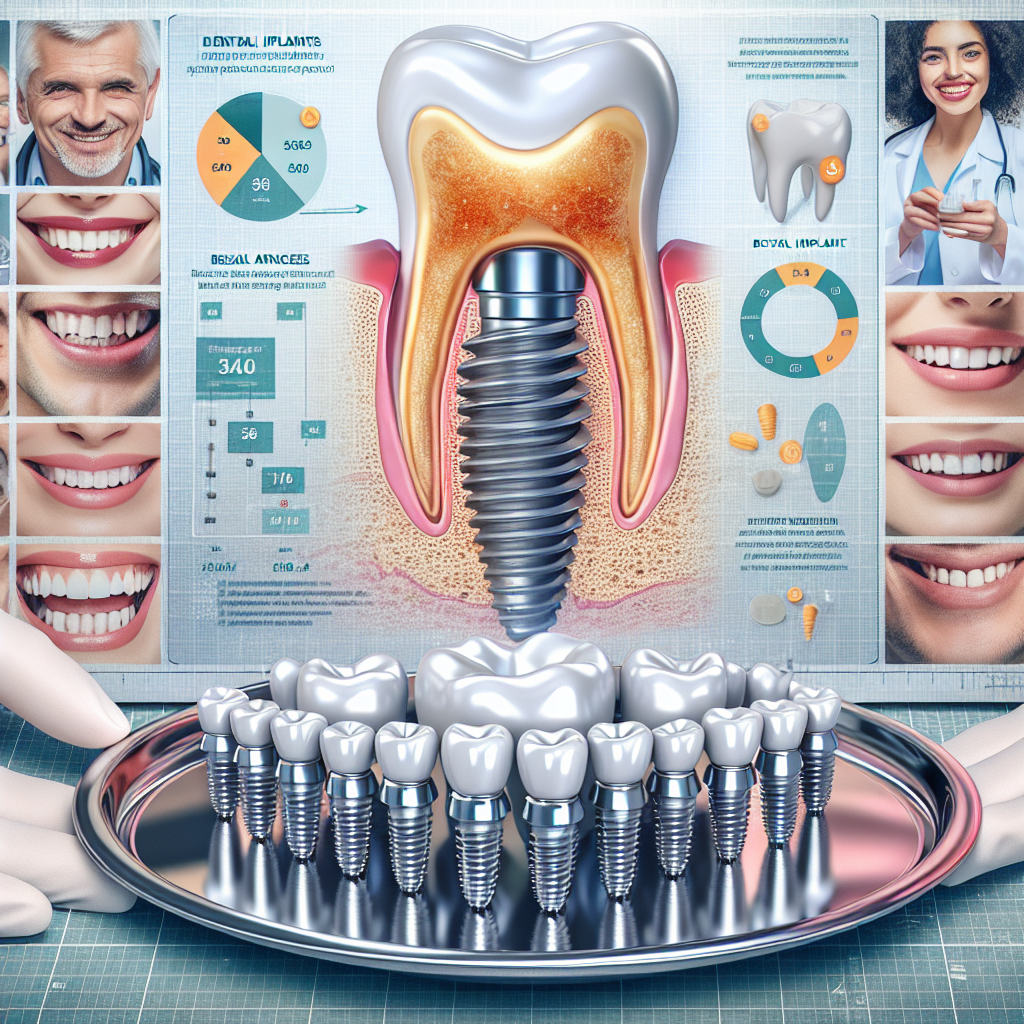
Dental implants cost can feel opaque and expensive, especially when quotes vary widely and surprise fees appear. This guide breaks down every line-item, gives realistic price ranges for the Houston metro (Cypress and Katy), explains what commonly drives costs up, and shows practical ways to reduce your out-of-pocket expense without cutting quality. Read on for clear examples, typical timelines, and the exact questions to ask when comparing quotes.
What a dental implant case actually includes and why each part costs money
Straight answer: a final bill for a dental implant is not one thing — it is a stack of clinical services, device costs, lab work, and support services, each priced separately. Knowing those pieces is the only way to compare quotes that look similar on the surface.
Core line items you will see on an estimate
- Implant fixture: the titanium or ceramic post that goes into bone — this is a medical device with inventory, manufacturer warranty, and documented surgical protocols.
- Abutment: the connector between implant and crown; custom abutments cost more but give better esthetics and fit.
- Prosthetic crown: lab-fabricated tooth; materials (porcelain-fused-to-metal, zirconia) and lab skill drive price and longevity.
- Surgical placement fee: clinician time, sterile supplies, instruments, and any assistant or specialist fees.
- Restorative fee: the dentist who designs and cements your crown charges separately from the surgeon.
- Diagnostic imaging and planning: CBCT scans, study models, and surgical guides — expensive equipment and software justify the cost.
- Support services: anesthesia or IV sedation, post-op visits, and contingency for complications.
Common add-ons that frequently inflate the final total: extractions, socket preservation, bone grafting, sinus lifts, and soft-tissue grafts. These are billed separately because they change the operative complexity, healing time, and material needs.
Practical trade-off: paying less on the implant fixture alone can backfire. Lower-priced implants sometimes use less-documented components or nonstandard parts that make future repairs or replacements more difficult — costing you more over time. A better investment is predictable components from reputable systems and a clinician who places and restores implants routinely.
Concrete example: a patient in Katy had a failing molar removed, a small socket graft, and a single-tooth implant placed, followed by a zirconia crown. The clinic billed separately for extraction, graft material, implant fixture, surgical placement, a CBCT scan, and the crown — the modular billing allowed the patient to use FSA funds on specific line items and spread payments over time using CareCredit. This is the typical real-world sequence you should expect.
Why each line item carries a real cost
Device and lab costs reflect real production effort. Implants are precision-manufactured medical devices; crowns are crafted by skilled technicians. Both require quality control, inventory management, and regulatory traceability — those are not optional overheads.
Clinical time and risk matter. Surgeons bill for training, judgment, and their time in sterile operations. Sedation adds monitoring staff and liability. Complicated grafts add hours and materials. That is why simple cases are materially cheaper than complex ones.
Ask for an itemized, written estimate that names the implant brand, who will perform each step, and which items are optional versus required.
Key takeaway: an apples-to-apples comparison requires line-item detail. If a quote is a single lump sum with no breakdown, get specifics or a second opinion — low headline prices frequently omit imaging, grafting, lab fees, or post-op care.
If you want a practical next step, bring competing written estimates to your consult and ask the clinic to explain differences in implant brand, lab, and which steps they will perform in-house versus refer. For local information and transparent itemized estimates, see Smile Avenue Family Dentistry and the American Academy of Implant Dentistry patient info.