Cypress, TX: (832) 648-1756

12 Tips for Preparing for Your Sedation Dentistry Treatment

Preparing for your sedation dentistry treatment can help alleviate any anxiety and ensure a smooth, comfortable experience. Whether it’s your first time or you’re a seasoned pro, these tips will guide you toward a successful visit.
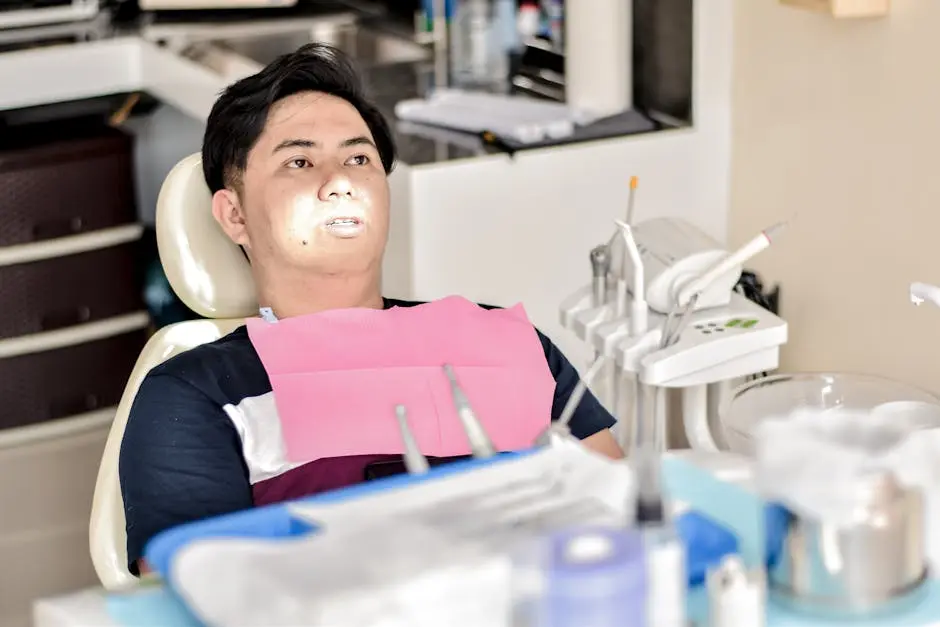
1. Understand What to Expect
Get familiar with the procedure and the type of sedation your dentist will use. Knowledge is power when it comes to calming your nerves and setting realistic expectations. Many people find it helpful to ask the dentist for detailed information about the steps involved in sedation dentistry. Knowing what will happen at each stage can help demystify the process and make it less intimidating. Moreover, learning about the different types of sedation, such as oral sedation, IV sedation, or nitrous oxide, can better prepare you for what’s ahead. This preparation can alleviate common concerns and empower you to feel more in control during your visit.
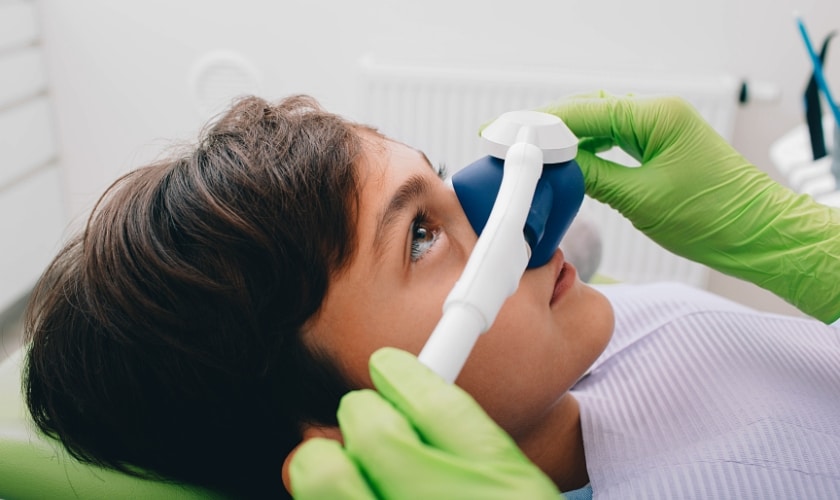
Curiosity about sedation options often leads patients to discover benefits they hadn’t considered. For instance, some forms of sedation, like nitrous oxide, wear off quickly and allow patients to return to their normal activities sooner. By consulting with your dentist, you can determine which sedation method aligns best with your needs and lifestyle. For more understanding of how sedation can impact your dental experience, check out our guide on sedation.
2. Arrange a Reliable Ride
You’ll need someone to drive you home after your treatment as sedation can affect your reflexes and judgment. Ensure you arrange a dependable ride in advance. It’s crucial to coordinate with a family member or friend who understands the importance of your aftercare and is available to assist you immediately post-treatment. Confirming your transportation plans ahead of time can help you focus on your comfort and recovery without last-minute scrambling. In certain cases, dental practices may offer shuttle services, so it’s worth inquiring. Also, be aware of the duration during which the sedative effects may linger, and plan your day accordingly.
Additionally, consider the timing of your transportation. Depending on the type of sedation used, you might experience drowsiness or reduced coordination for a few hours post-treatment. Discuss with your dentist about how long these effects are expected to last and ensure your ride is prepared to accommodate that timeline. Knowing you have reliable help right after the procedure can provide peace of mind and enable you to focus entirely on your recovery process.
3. Discuss Medications with Your Dentist
Inform your dentist about any medications or supplements you’re taking. Certain medications can interact with sedation, causing unwanted side effects or reducing the effectiveness of the sedation process. Open communication is essential to avoid potential complications. During your consultation, provide your dentist with a complete list of your medications, including any over-the-counter drugs and herbal supplements. Your dentist may need to adjust your prescriptions or recommend an alternative sedation method to ensure your safety.
It’s also beneficial to discuss any allergies or previous adverse reactions to medications. Sharing this information allows your dental team to tailor their approach to your individual needs and make any necessary adjustments in advance. This proactive step can prevent unexpected reactions and make your visit smoother and more comfortable, ultimately enhancing the overall success of your procedure.
4. Follow Fasting Instructions
If instructed, avoid eating or drinking anything for several hours before your procedure. Fasting is often recommended to reduce the risk of complications such as nausea or aspiration during sedation. Typically, your dentist will provide customized fasting guidelines, which can vary depending on the time of your appointment and the type of sedation being used. This step is especially important if you are going under deeper levels of sedation, where a completely empty stomach is required. Be sure to clarify any uncertainties with your dentist, as ensuring you’re well-informed can ease the preparation process.
Moreover, adhering to fasting instructions can reinforce the safety of your sedation procedure. If you’re feeling unsure about fasting requirements, don’t hesitate to communicate with your dental team. They are there to provide guidance and ensure you are fully prepared ahead of the procedure.
5. Wear Comfortable Clothing
On the day of your appointment, opt for loose, comfortable clothing that won’t restrict you during the procedure. When selecting your outfit, consider the process of getting into and out of the dental chair and the potential use of blood pressure cuffs or heart monitors. Loose sleeves and comfortable pants will allow for a more relaxed experience and easier access for any necessary monitoring equipment.
It’s also wise to leave accessories and jewelry at home to avoid any inconvenience or discomfort during the procedure. Overall, wearing comfortable clothes can significantly enhance your relaxation and focus on your dental care.
6. Plan for Downtime
Give yourself time to rest and recover after your appointment. Plan to take it easy for the rest of the day. Understand that sedation dentistry involves more than just the initial appointment—your recovery is equally important. Depending on the sedation method used, you may feel groggy or tired afterward, so carving out time for relaxation can be incredibly beneficial. Prepare in advance by ensuring you have minimal responsibilities immediately following your appointment.
Having a flexible schedule the week of your appointment allows you to reschedule or take on fewer commitments if necessary. Creating an easy-to-follow recovery plan can contribute positively to your overall sedation dentistry experience.
7. Create a Relaxing Playlist
Bring a playlist of relaxing music or an audiobook to help soothe your nerves and pass the time during your treatment. Engaging your mind with familiar sounds can significantly reduce anxiety and distract from any discomfort or apprehension. Choose soothing melodies or guided meditations that promote a sense of calm. Some dental practices may allow you to use your headphones during the procedure, so don’t forget to charge your electronic devices beforehand.
For those who enjoy auditory storytelling, consider listening to a podcast to occupy your mind. Music and spoken content have the unique ability to transport your thoughts, leaving you feeling more tranquil and at ease during your dental visit.
8. Communicate Any Concerns
If you have any fears or concerns, discuss them with your dental team. They are there to support you and can offer reassurance or adjustments to make you more comfortable. Whether it’s apprehension about the sedation, past negative dental experiences, or the procedure itself, openly sharing your worries can help your dentist develop an approach that aligns with your comfort levels. A trustworthy dental practice will prioritize patient-centered care and understand the importance of addressing and alleviating potential anxieties.
For more control over your experience, some patients find it helpful to establish a hand signal to communicate with the dentist during the procedure. Taking this proactive step demonstrates your engagement in the process, reduces feelings of helplessness, and contributes to an overall more comfortable appointment.
9. Practice Relaxation Techniques
Engage in relaxation techniques like deep breathing or meditation in the days leading up to your appointment to manage anxiety. Simple exercises like progressive muscle relaxation can make a tangible difference in your physical and mental state. Practicing these techniques regularly allows you to approach your appointment with a sense of calm and control. Integrate these practices into your daily routine to build a foundation of mental readiness well before the procedure.
10. Hydrate the Day Before
Drink plenty of water the day before your treatment to stay hydrated, but remember to adhere to any fasting guidelines on the day of the procedure. Good hydration supports overall body function and can improve your physical state during the dental visit. Ensuring you’ve tracked your daily water intake can help you enter your appointment feeling refreshed and ready without prompting concerns related to dehydration, such as fatigue or headaches.
Talk to your dentist about appropriate fluid intake limits, especially if you’re advised to fast for several hours prior to sedation. Balancing hydration with fasting is a small but key component in preparing for a successful sedation dentistry experience.
11. Arrange Childcare
If you have young children, arrange for childcare so you can focus on your recovery without added stress. Knowing that your children are in safe hands could significantly ease any pre-appointment anxiety you might feel. Discussing your dental appointment with your babysitter beforehand ensures they’re well-prepared for any changes in schedule or emergency contact information. Preparation on this front allows you to concentrate solely on your personal well-being, making the post-treatment period smoother and less burdensome.
12. Set Up a Recovery Space
Prepare a cozy, recovery-friendly space at home with soft pillows and blankets to rest after your procedure. A comfortable setting aids in relaxation and encourages healing. Before your appointment, gather any items you might need, such as books, movies, or soothing teas, to enhance your comfort post-procedure. This simple, yet impactful step enhances the overall experience and allows you to make relaxation the focal point of your post-dental care.
Ensuring your immediate surroundings are conducive to rest will improve your recovery and help you return to your daily routine more swiftly. Your comfort is key, and setting up a designated rest area can make a world of difference.