Cypress, TX: (832) 648-1756
What Causes Cavities And How You Can Prevent Them?


While we discuss dental problems, you will hardly find a more common problem than cavities. Cavities at primary stages might not be symptomatic but can lead to severe problems if not treated quickly. Do you know the issues that are initiated by cavities? It leads to decay, gum infections, and even tooth loss. The good thing is that you can prevent them by taking the proper preventive measures. But how can you avoid them? You need to understand the causes primarily. It will help you avoid the causes and maintain good oral hygiene. Let us find out the causes of cavities, ways to prevent them, the importance of maintaining good oral hygiene, and its link to gum disease treatment.
What Are Cavities, And How Do They Form?
Cavities are permanent damage to teeth caused by enamel breakdown. Enamel is the protective layer of the tooth, and it tends to be hard. Weakening of the outer protective layer makes the inner layer highly vulnerable to decay. Cavities mostly occur due to the acids produced by bacteria inside the mouth. Sugary and stachy foods are ideal for bacteria to survive on. Avoid these foods and focus on regular preventive dental checkups. It will help you avoid cavities and the need for invasive treatments, including gum disease treatment in Cypress.
The Role Of Poor Oral Hygiene In Cavities
Poor oral hygiene is the primary cause of cavities. To maintain good oral hygiene, brush and floss regularly, rinse your mouth adequately, and follow proper techniques. Additionally, you should visit your dentist regularly for professional cleaning and comprehensive dental exams. Upon failing to do so, plaque and tarter will continue to produce acids that erode the enamel. Use fluoride toothpaste as it helps to prevent cavities and stregthen enamel.
Diet And It’s Impact On Cavities
Diet plays a significant role in the formation of cavities. Even the slightest of compromises can lead to excellent results. You might not be aware, but cavities are harmful to your teeth and can also affect your gums, requiring gum disease treatment. Sugary snacks and carbonated drinks can harm your teeth as they are ideal for cavities. If you can’t, brush your teeth after consumption; nothing can be better than avoiding them. Focus on having a balanced diet that increases the intake of calcium, phosphates, and vitamin D. Diary products and green leafy vegetables can be the ideal sources.
Gum Disease Treatment And Its Connection To Cavities
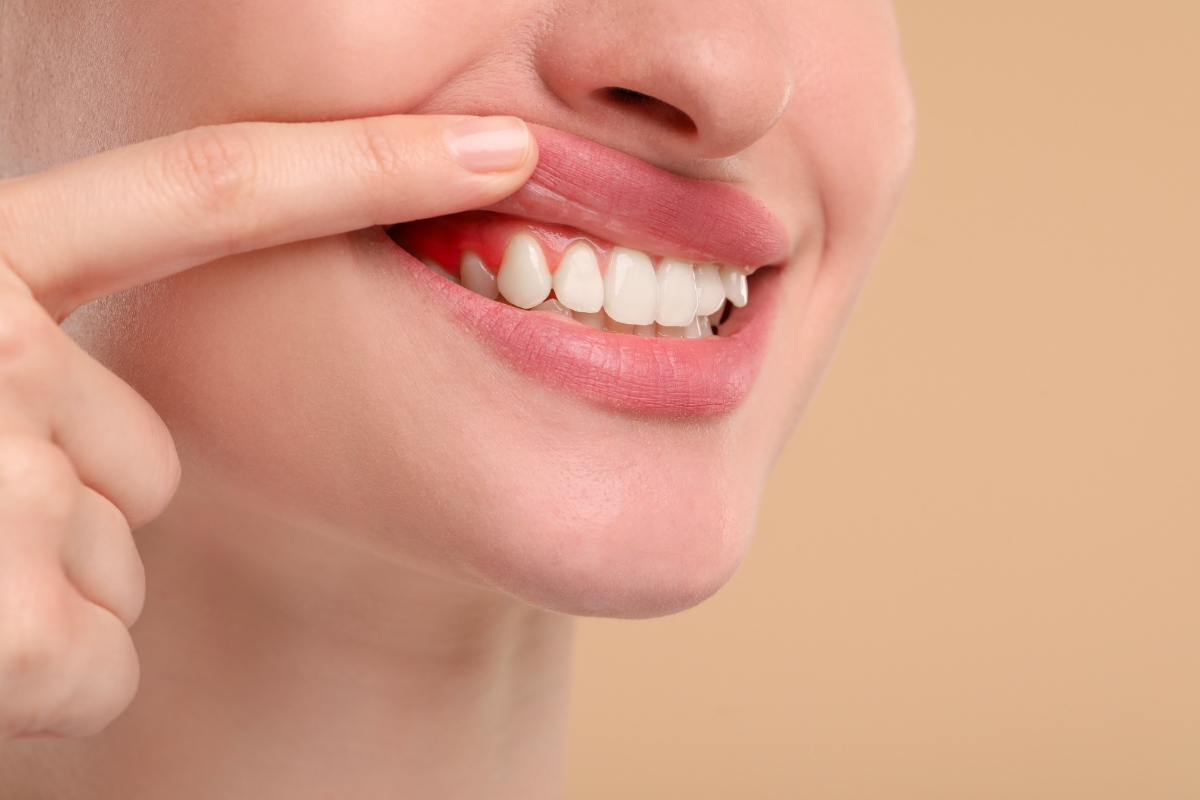
Gums serve as the foundation socket for your teeth. Problems with your teeth don’t take much time to spread to your gums. Plaque can also build up on gums, leading to inflammation, infections, and other gum diseases. Do you know that problems in your gums can lead to tooth loss as they expose the roots and harm tooth stability? If you notice any such issues, visit a dentist quickly for gum disease treatment. Prevention is directly linked to maintaining good oral hygiene at all times.
How You Can Prevent Cavities?
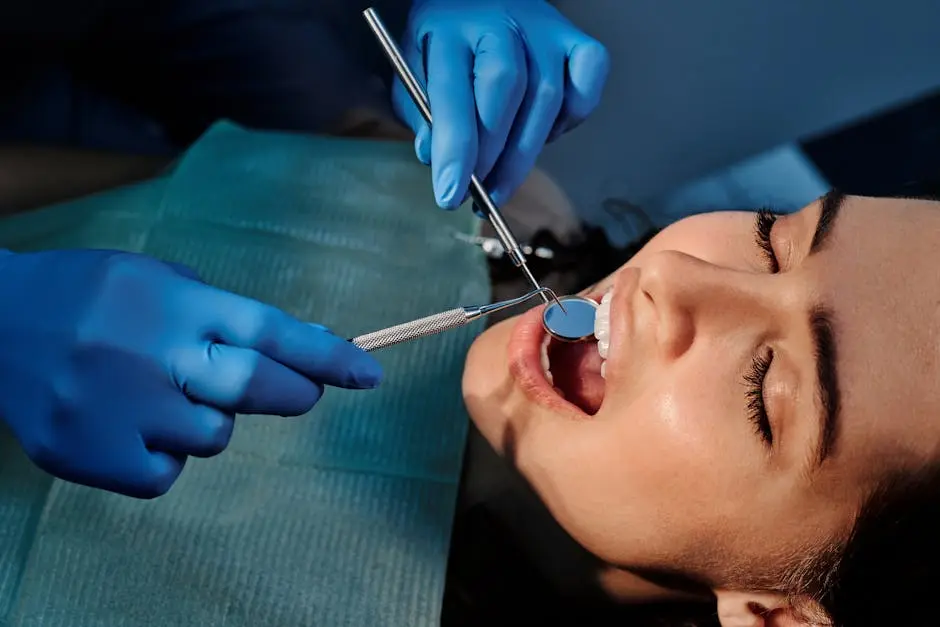
Preventing cavities involves consistent oral hygiene habits and making wise lifestyle choices. Brushing your teeth twice daily with fluoride toothpaste and flossing daily removes food particles and plaque, preventing decay. Cut back on sugary snacks and drinks. Antibacterial mouthwash can help reduce plaque buildup and kill harmful bacteria. Drinking water helps rinse food particles and acids from your teeth. Routine dental check-ups allow your dentist to catch cavities early and even offer gum disease treatment if required.
Prevent Cavities: Simple Steps for Stronger, Healthier Teeth
Cavities are preventable with the proper habits and lifestyle choices. Poor oral hygiene, diet, and untreated gum disease contribute to the development of cavities. Following the above tips will help you avoid cavities and the need for invasive dental procedures, including gum disease treatment. Ensure that you visit your dentist regularly to maintain good oral hygiene. Don’t wait until it’s too late; take the proper steps toward achieving optimal oral health today.