Cypress, TX: (832) 648-1756
The Importance of Post-Tooth Extraction Antibiotics: What Happens if You Skip Them?

Do You Always Need Antibiotics After a Tooth Extraction?
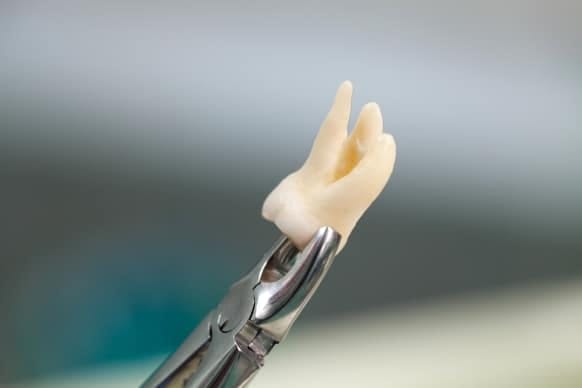
The short answer is: not always. While tooth extractions involve removing a tooth from its socket, the mouth is remarkably resilient and often heals on its own. However, the necessity of antibiotics depends on the complexity of the procedure and your overall health profile.
The Difference Between Routine and Surgical Extractions
A simple or routine extraction involves a tooth that is visible and easily removed. In these cases, the risk of infection is generally low, and the body’s natural immune response is often sufficient. In contrast, surgical extractions—such as removing impacted wisdom teeth or teeth with severe decay—involve more trauma to the surrounding gum and bone tissue, which may necessitate antibiotic support.
Preventative vs. Therapeutic Antibiotics
Dentists use two main approaches: Preventative (Prophylactic) antibiotics are given to prevent an infection before it starts, often for patients with heart conditions or weakened immune systems. Therapeutic antibiotics are prescribed to treat an existing infection or abscess that was present before the tooth was pulled.
What Happens If You Skip Prescribed Antibiotics?
If your dentist has specifically prescribed a course of antibiotics, skipping them can lead to several complications.
Increased Risk of Localized Infection
The most immediate risk is a localized infection at the extraction site. Without the medication to keep bacterial growth in check, bacteria can multiply within the socket, leading to an abscess, significant pain, and foul-smelling discharge.
Delayed Healing and Tissue Regeneration
Infection diverts the body’s resources. Instead of focusing on closing the wound and regenerating bone and gum tissue, your immune system must fight off invading pathogens. This can lead to a much longer recovery period and increased discomfort.
Potential for Systemic Complications
In rare but serious cases, an untreated oral infection can enter the bloodstream. This can lead to systemic issues such as endocarditis (infection of the heart lining) or sepsis, which is a life-threatening medical emergency. This is particularly risky for patients with a history of heart valve problems or prosthetic joint replacements.
Why Your Dentist Might NOT Prescribe Antibiotics
Modern dentistry is moving away from “just in case” prescriptions for several important reasons.
The Rise of Antibiotic Resistance
Overusing antibiotics allows bacteria to adapt and become “superbugs” that are harder to treat in the future. Dentists now only prescribe them when the clinical benefit clearly outweighs the risk.
Protecting Your Body’s ‘Good Bacteria’
Your mouth and gut are full of beneficial bacteria. Antibiotics are not selective; they kill the good with the bad, which can disrupt your microbiome and lead to secondary issues like oral thrush or digestive upset.
Side Effects: Nausea, Diarrhea, and Allergic Reactions
Antibiotics can cause unpleasant side effects, ranging from mild nausea and diarrhea to severe allergic reactions. Avoiding them when unnecessary protects you from these risks.
Signs of Infection to Watch For After Extraction
It is vital to distinguish between the normal discomfort of surgery and the red flags of a developing infection.
| Symptom | Normal Recovery | Possible Infection |
|---|---|---|
| Pain | Decreases after 48-72 hours | Increases or throbs after 3 days |
| Swelling | Peaks at 48 hours, then recedes | Continues to grow or feels hard/hot |
| Fever | None or very mild (under 100°F) | Persistent fever or chills |
| Taste/Odor | Metallic (blood) taste | Foul, bitter taste or “rotten” smell |
When to Call Your Dentist Immediately
Contact your dental office if you experience pus drainage, difficulty breathing or swallowing, or if pain becomes unmanageable with over-the-counter medications.
How to Heal Faster Without Antibiotics: Post-Op Care Checklist
- Protect the Blood Clot: Avoid straws, smoking, or spitting for at least 24-48 hours to prevent dry socket.
- Saltwater Rinses: After 24 hours, gently rinse with warm salt water (1/2 tsp salt in 8oz water) to keep the area clean.
- Soft Food Diet: Stick to yogurt, mashed potatoes, and smoothies. Avoid crunchy or spicy foods that could irritate the site.
- Rest: Avoid strenuous activity for at least 2 days to keep your blood pressure stable at the wound site.
- Cold Compresses: Apply ice packs to the outside of your cheek in 20-minute intervals to reduce swelling.
Frequently Asked Questions About Post-Extraction Medication
Can tooth extraction heal without antibiotics?
Yes, the majority of routine tooth extractions heal perfectly well without antibiotics. If you are healthy and the extraction was straightforward, your body’s immune system and proper oral hygiene are usually enough to ensure recovery.
How many days do you need to take amoxicillin after tooth extraction?
If prescribed, a course typically lasts 5 to 7 days. It is critical to finish the entire prescription even if you feel better, as stopping early can allow the strongest bacteria to survive and multiply.
Is it okay not to take pain medicine after extraction?
Yes, taking pain medication is optional and based on your comfort level. However, anti-inflammatories like ibuprofen can help reduce swelling, which may indirectly speed up the initial phase of healing.
What if I missed one dose of my antibiotics?
Take the missed dose as soon as you remember. If it is almost time for your next dose, skip the missed one and continue your regular schedule. Do not double the dose to catch up, and consult your dentist if you miss multiple doses.