Cypress, TX: (832) 648-1756
What Is a Fake Tooth Called?

The Technical Term for a Prosthetic Tooth that Replaces a Missing or Damaged Natural Tooth
The Definition of a Dental Implant
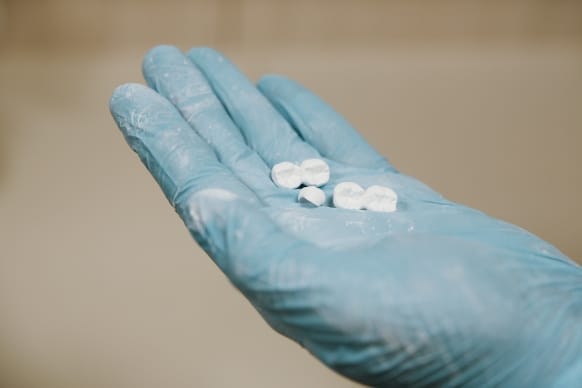
A dental implant is a prosthetic tooth that is surgically placed into the jawbone to replace a missing or damaged natural tooth. It consists of three main components: the implant post, abutment, and crown. The implant post is typically made of titanium and serves as the artificial root of the tooth. The abutment connects the implant post to the crown, which is the visible part of the prosthetic tooth.
The Process of Dental Implant Placement
The placement of a dental implant involves several steps. First, a thorough examination and assessment are conducted by a dentist or oral surgeon to determine if the patient is suitable for an implant. This includes evaluating the health and density of the jawbone.
If deemed eligible, the next step involves surgically placing the implant post into the jawbone. This procedure may require local anesthesia or sedation to ensure comfort during surgery. Afterward, there is a healing period known as osseointegration, during which time the implant fuses with the surrounding bone tissue.
Once osseointegration is complete, an abutment is attached to the implant post to connect it with the crown. Finally, a custom-made crown is fabricated and placed onto the abutment, providing a natural-looking replacement tooth that functions and appears like a real tooth.
Understanding Dental Implants: Functioning as Substitutes for Real Teeth
The Purpose and Benefits of Dental Implants
Dental implants serve as substitutes for real teeth by providing stability and functionality similar to natural teeth. They offer numerous benefits over other tooth replacement options, such as dentures or dental bridges.
Benefits of Dental Implants:
- Improved chewing and speech: Dental implants function just like natural teeth, allowing individuals to chew and speak with confidence and ease.
- Enhanced appearance: Implants are designed to look and feel like real teeth, providing a seamless aesthetic result that can boost self-confidence.
- Durable and long-lasting: With proper care, dental implants can last a lifetime, making them a cost-effective solution in the long run.
- Preservation of jawbone health: Dental implants stimulate the jawbone, preventing bone loss that often occurs with missing teeth. This helps maintain facial structure and prevents sagging or premature aging.
- No impact on adjacent teeth: Unlike dental bridges that rely on neighboring teeth for support, dental implants do not require any alteration or support from surrounding natural teeth. This preserves the integrity of adjacent teeth.
Dental implants have revolutionized tooth replacement options by providing a permanent solution that mimics the look, feel, and function of natural teeth. They offer patients an opportunity to regain their oral health and quality of life with a long-lasting prosthetic tooth.
The Common Name for an Artificial Tooth Used to Fill Gaps in the Mouth
The Concept of Dental Bridges
A dental bridge is a common name for an artificial tooth used to fill gaps in the mouth caused by missing teeth. It consists of one or more pontics (artificial teeth) held in place by abutment crowns attached to natural teeth or dental implants on either side of the gap.
The Functioning of Dental Bridges
Dental bridges work by using the support of adjacent teeth or dental implants to anchor the artificial tooth or teeth in place. The process typically involves several steps, including:
- Preparation: The adjacent teeth on either side of the gap are prepared by removing a small portion of their enamel to make room for the abutment crowns.
- Impressions: Impressions of the prepared teeth and the gap are taken to create a custom bridge that fits precisely.
- Temporary bridge: A temporary bridge is placed while the permanent bridge is being fabricated in a dental laboratory.
- Fitting the permanent bridge: Once ready, the permanent bridge is checked for fit, appearance, and bite before being permanently cemented into place.
Dental bridges effectively fill gaps in the mouth, restoring functionality and aesthetics. They can improve chewing ability, prevent shifting of adjacent teeth, and restore confidence in one’s smile.
How Dental Bridges Work and Why They are Considered Effective for Replacing Missing Teeth
The Mechanics Behind Dental Bridges
Dental bridges function by using existing natural teeth or dental implants as support structures to hold an artificial tooth or pontic in place. This method allows individuals with missing teeth to regain a complete smile and restore functionality.
The Effectiveness of Dental Bridges
Dental bridges are considered an effective solution for replacing missing teeth due to several reasons:
- Restored chewing ability: By filling the gap created by missing teeth, dental bridges enable individuals to chew food properly, improving digestion and overall oral health.
- Preservation of facial structure: Dental bridges help maintain the natural shape and contours of the face by preventing adjacent teeth from shifting into the gap, which can lead to changes in facial appearance.
- Improved speech: Missing teeth can affect speech clarity. Dental bridges restore proper articulation, allowing individuals to speak clearly and confidently.
- Aesthetically pleasing: Bridges are custom-made to match the color, shape, and size of natural teeth, resulting in a seamless and natural-looking smile.
- Durable solution: With proper oral hygiene and regular dental care, dental bridges can last many years, providing a long-lasting tooth replacement option.
Dental bridges offer a reliable and effective way to replace missing teeth. They provide functional and aesthetic benefits that can significantly improve an individual’s quality of life.
Exploring Alternatives to Dentures: Options for Fake Teeth
Alternative Solutions for Missing Teeth
Dentures have long been a popular choice for replacing missing teeth; however, there are alternative options available that offer increased stability and improved aesthetics compared to traditional removable dentures.
Options for Fake Teeth:
- Dental Implants: As mentioned earlier, dental implants are an excellent alternative to dentures. They provide a permanent solution with superior stability and functionality.
- Dental Bridges: Dental bridges are another alternative that offers fixed prosthetic teeth. They are suitable when there are adjacent healthy teeth or dental implants present on either side of the gap.
- All-on-4 or All-on-6 Implants: These implant-supported full arch solutions provide a fixed set of prosthetic teeth for individuals who are missing all or most of their teeth in an arch. They offer increased stability and eliminate the need for removable dentures.
- Removable Partial Dentures: For individuals who are not suitable candidates for dental implants or bridges, removable partial dentures can be an alternative. These dentures are designed to replace multiple missing teeth and can be taken out for cleaning.
When considering alternatives to dentures, it is crucial to consult with a dentist or prosthodontist who can assess the individual’s specific needs and recommend the most suitable option. Each alternative has its own advantages and considerations, so a personalized approach is essential to achieve optimal results.
In summary, a fake tooth is commonly referred to as a dental implant or a prosthetic tooth.
Does false teeth hurt?
It typically takes about two to four weeks for new dentures to properly adjust and settle. It is common to experience some tenderness or discomfort initially.
What is the healthiest fake teeth to get?
The dental implant option is highly praised as the top choice for replacing missing teeth. It has gained popularity due to advancements in treatment and technology, and is preferred by most individuals. Dental implants are favored for their long-lasting durability, effectiveness, stability, and strength.
Do people regret veneers?
The majority of individuals who get veneers do not have any regrets, in fact, they often regret not getting them sooner to improve their smile.
Are false teeth toxic?
Most denture bases are constructed using heat-cure acrylic resins, which are known to release toxic chemicals like formaldehyde, methyl methacrylate, methacrylate acid, and benzoic acid. These chemicals can lead to severe reactions in the nearby tissues.
Can you sleep with false teeth in?
After receiving your new dentures, you may be eager to show off your new smile. It is acceptable to sleep with your dentures for the initial few days, and your dental team may even suggest it. However, once your mouth becomes accustomed to the dentures, it is important to remove them before going to bed each night.
Did Vikings have braces?
In the time of the Vikings, braces for teeth did not exist. What may appear to be braces are actually decorative carvings made on the teeth, which was a common practice among Swedish Vikings at that time.