Cypress, TX: (832) 648-1756

Why Wisdom Tooth Pain Fluctuates


What Causes Wisdom Tooth Pain?
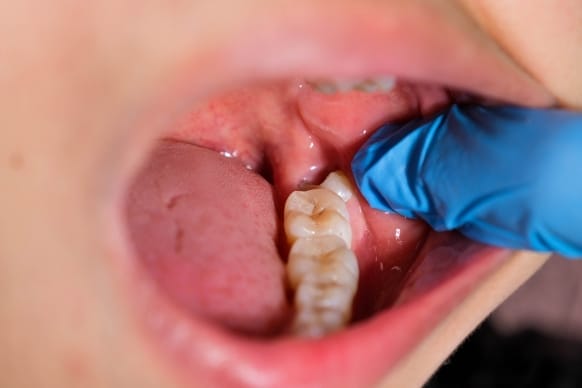
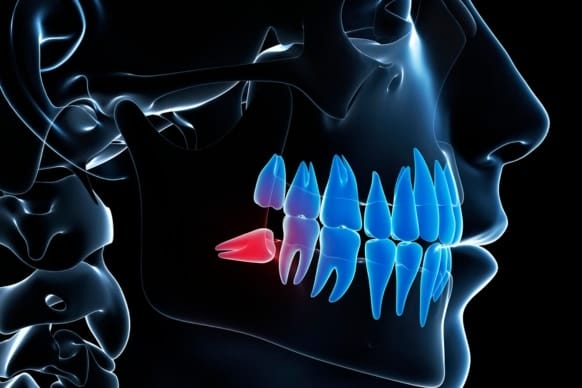
Wisdom tooth pain is commonly caused by the eruption of the third molars, which typically occurs between the ages of 17 and 25. The pain can be attributed to a variety of factors, including inflammation and infection. When the wisdom teeth try to emerge through the gums, they can become impacted or partially erupt, causing discomfort and pain. Impacted wisdom teeth are unable to fully break through the gum line, leading to pressure on surrounding teeth and tissues.
Inflammation around the erupting wisdom tooth can also cause pain. This inflammation occurs when bacteria accumulate around the partially erupted tooth, leading to an infection known as pericoronitis. The symptoms of pericoronitis include swelling, redness, and tenderness in the affected area.
How Long Does Wisdom Tooth Pain Last Before It Becomes Intermittent?
The duration of wisdom tooth pain varies from person to person. In some cases, the pain may subside after a few days or weeks as the tooth continues to erupt and adjust in position. However, for others, the pain may persist for several months before becoming intermittent.
The intensity and frequency of wisdom tooth pain can also fluctuate during this time. Initially, the pain may be constant and intense due to inflammation or impaction. As the tooth gradually moves into its proper position or if it becomes partially erupted, the pain may become more sporadic.
Factors That Trigger Intermittent Wisdom Tooth Pain
Several factors can trigger intermittent wisdom tooth pain:
- Chewing: Applying pressure on the affected area while eating can cause temporary discomfort or sharp pains.
- Temperature sensitivity: Consuming hot or cold foods and beverages may trigger brief episodes of pain or sensitivity in the region.
- Teeth grinding: Individuals who grind their teeth, especially during sleep, may experience increased wisdom tooth pain due to the added pressure on the affected area.
- Infection flare-ups: If pericoronitis or another infection is present, it can cause intermittent episodes of severe pain and swelling.
Can the Position or Alignment of Wisdom Teeth Affect the Onset of Pain?
The position and alignment of wisdom teeth can significantly impact the onset and severity of pain. If a wisdom tooth is impacted or grows at an angle, it may exert pressure on adjacent teeth, leading to discomfort and pain. Additionally, misaligned wisdom teeth can create pockets where food particles and bacteria can accumulate, increasing the risk of infection and inflammation.
Furthermore, if there is insufficient space in the jaw for the wisdom teeth to fully erupt, they may become stuck or partially erupted. This can irritate the surrounding gum tissue and increase the chances of developing pericoronitis or other oral health issues. If you are experiencing any discomfort or suspect issues with your wisdom teeth, it is advisable to consult with Dr. Patrick Vuong, a dentist in Cypress, TX, for a thorough examination and appropriate guidance.
Home Remedies and Over-the-Counter Medications for Wisdom Tooth Pain Relief
While waiting for professional dental care, several home remedies may provide temporary relief from wisdom tooth pain:
- Saltwater rinse: Gently rinsing your mouth with warm saltwater can help reduce inflammation and alleviate some discomfort.
- Cold compress: Applying a cold compress to the outside of your cheek near the affected area can numb the area and reduce swelling.
- Over-the-counter pain medications: Nonsteroidal anti-inflammatory drugs (NSAIDs), such as ibuprofen or naproxen sodium, can help reduce both pain and inflammation associated with wisdom teeth.
- Topical numbing gels: Over-the-counter oral gels containing benzocaine can temporarily numb the area and provide relief.
The Role of Poor Oral Hygiene in Fluctuating Wisdom Tooth Pain
Poor oral hygiene can contribute to fluctuating wisdom tooth pain. When proper dental care is neglected, bacteria and food particles can accumulate around the partially erupted wisdom teeth, leading to infection and inflammation. This can cause a cycle of pain where the symptoms worsen and then improve as the infection subsides temporarily.
Regular brushing, flossing, and rinsing with an antimicrobial mouthwash can help prevent or reduce the likelihood of developing infections or inflammation around the wisdom teeth. Maintaining good oral hygiene practices is crucial for managing wisdom tooth pain and overall oral health.
Warning Signs Indicating the Likelihood of Future Wisdom Tooth Pain
Several warning signs may indicate the likelihood of future wisdom tooth pain:
- Jaw stiffness or soreness: If you experience frequent jaw stiffness or soreness, it could be a sign that your wisdom teeth are beginning to erupt or become impacted.
- Tender or swollen gums: Swelling or tenderness in the back corners of your mouth may suggest that your wisdom teeth are causing issues.
- Difficulty opening your mouth fully: If you find it challenging to open your mouth wide without discomfort, it could be due to emerging or impacted wisdom teeth.
- Foul taste or bad breath: The presence of trapped food particles around partially erupted wisdom teeth can result in persistent bad breath or an unpleasant taste in your mouth.
Dentist’s Preventive Measures and Treatment Options for Recurring Wisdom Tooth Pain
If you are experiencing recurring wisdom tooth pain, it is advisable to consult a dentist. They can assess the condition of your wisdom teeth and recommend appropriate treatment options. In some cases, preventive measures may be taken to alleviate pain or prevent future complications:
- Extraction: If the wisdom teeth are causing significant pain or recurrent infections, extraction may be necessary. This procedure involves removing one or more wisdom teeth under local anesthesia.
- Antibiotics: If there is an active infection present, the dentist may prescribe antibiotics to eliminate the infection before considering any further treatment.
- Orthodontic intervention: In certain situations where misaligned wisdom teeth are causing pain or crowding issues, orthodontic treatment may be recommended to realign the teeth and alleviate discomfort.
It is essential to follow the dentist’s advice and maintain regular dental check-ups to monitor the condition of your wisdom teeth and address any potential issues promptly.
In summary, wisdom tooth pain can come and go due to various factors such as inflammation, impaction, infection, or shifting of the teeth. It is important to consult a dentist for proper diagnosis and treatment to alleviate the pain and prevent any further complications.
Why do my wisdom teeth hurt on and off?
There are various possible causes for painful wisdom teeth, such as their improper alignment, inability to fit correctly in the mouth, or the development of an infection around the teeth. Regardless of the reason, painful wisdom teeth can significantly affect your oral health and should be addressed promptly.
Why is my wisdom tooth coming through and painful?
When wisdom teeth emerge, they can exert pressure on the neighboring teeth, causing them to shift and move. This shifting can lead to discomfort in the jaw, with symptoms such as pain, swelling, and stiffness. It can make it challenging to open the jaw and even breathe.
How long does wisdom teeth eruption pain last?
The discomfort from growing wisdom teeth typically lasts for seven to ten days but can persist for up to a year or even several years as the teeth fully come in. Complications like impacted wisdom teeth can lead to ongoing pain and dental problems such as misalignment, cysts, gum disease, and tooth decay.
How do you stop your wisdom teeth from hurting?
Using an ice pack on your cheeks can decrease swelling and inflammation. Cold can also numb the area and reduce pain. Applying gentle heat can aid in healing by relieving tension and increasing blood circulation to the affected area. The choice between using cold or heat depends on which method provides the best pain relief for you.
Is wisdom tooth pain bearable?
In addition to causing intense pain, an infected wisdom tooth has the potential to spread the infection to different parts of the body, leading to more serious problems.
Can wisdom teeth pain go away?
In many cases, pain from wisdom teeth will subside on its own over time. However, there are some steps you can take to provide relief. One simple solution is to take pain medication to reduce the discomfort.