Cypress, TX: (832) 648-1756

Why Wisdom Tooth Pain Fluctuates


Direct Answer: Wisdom tooth pain often comes and goes because these third molars erupt in cycles rather than all at once. As the tooth pushes through the jawbone and gum tissue, it causes localized inflammation and pressure; when the movement pauses, the pain subsides. However, intermittent pain can also signal pericoronitis (a recurring gum infection), food impaction, or impaction against neighboring teeth that requires professional intervention.
Is It Normal for Wisdom Tooth Pain to Come and Go?
Yes, it is very common for wisdom tooth discomfort to be intermittent. Unlike a standard cavity that might ache consistently, wisdom teeth (third molars) are notorious for causing “flare-ups.” You may experience a week of throbbing pain followed by months of total silence. This happens because the human jaw often lacks the space to accommodate these late-arriving teeth, leading to a stop-and-start growth process that can last for several years.
Common Causes of Intermittent Wisdom Tooth Distress
Understanding why the pain fluctuates can help you determine if your symptoms are part of a natural process or a sign of a dental emergency.
The Eruption Cycle
Just like a teething infant, adults feel discomfort when a wisdom tooth moves. These teeth grow in “spurts.” During an active growth phase, the tooth exerts pressure on the nerves and cuts through the gingival tissue, causing soreness. Once the spurt ends, the inflammation naturally decreases, and the pain vanishes until the next cycle begins.
Impacted Wisdom Teeth
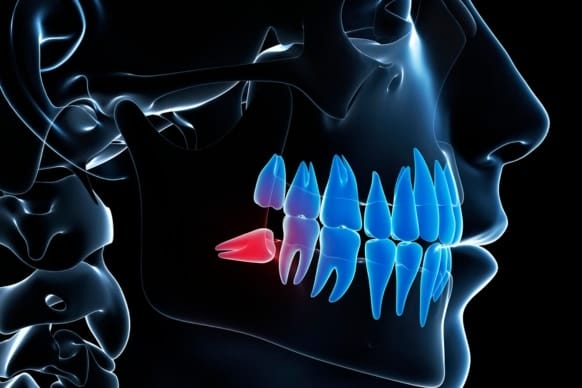
An impacted tooth is one that is stuck under the gum or bone, often growing at an angle. It may press against the roots of the second molars. This pressure isn’t always constant; it can fluctuate based on the tooth’s movement or changes in surrounding tissue swelling.
Pericoronitis and Gum Flaps
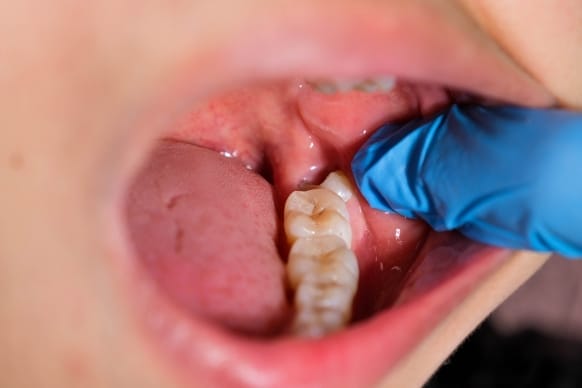
When a wisdom tooth partially erupts, a flap of gum tissue (called an operculum) often remains over the crown. This flap is a magnet for bacteria and food debris. You may experience pericoronitis—an infection of this flap—which flares up when your immune system is stressed or when food becomes trapped, then settles down after a thorough cleaning or salt water rinse.
Cyst Formation
In rare cases, a sac of fluid called a cyst can form around an unerupted wisdom tooth. These cysts can put pressure on the jawbone and nearby nerves. The pain may come and go depending on the internal pressure of the cyst and whether it becomes secondary infected.
Factors That Trigger Wisdom Tooth Flare-Ups
Even if a tooth isn’t actively moving, certain daily factors can trigger a painful episode:
- Poor Oral Hygiene and Bacteria Buildup: Because wisdom teeth are located so far back, they are difficult to clean. Plaque accumulation can lead to sudden gum inflammation.
- Food Impaction: Hard or fibrous foods (like popcorn hulls or seeds) can get trapped under the gum flap, causing immediate sharp pain and localized swelling.
- Physical Stress or Illness: When your immune system is busy fighting a cold or flu, it may be less effective at keeping the bacteria around your wisdom teeth in check, leading to a temporary flare-up of pericoronitis.
- Teeth Grinding (Bruxism): Nocturnal grinding puts extra pressure on the back of the jaw, which can aggravate a wisdom tooth that is already crowded.
The 3-3-3 Rule for Toothaches and Wisdom Teeth
Many dentists suggest the “3-3-3” rule for managing acute, non-emergency dental pain at home while waiting for an appointment. This typically involves taking three doses of a recommended over-the-counter anti-inflammatory (like 600mg of Ibuprofen) for three days to see if the inflammation subsides. Note: Always consult your doctor before starting a new medication regimen to ensure it is safe for your specific health profile.
Warning Signs: When Intermittent Pain Becomes an Emergency
While intermittent pain is common, you should not wait for it to “go away” if you experience any of the following:
| Symptom | Normal Eruption Pain | Emergency Warning Sign |
|---|---|---|
| Swelling | Minor redness on the gum | Visible swelling of the cheek or neck |
| Fever | None | Chills or high temperature |
| Jaw Movement | Slight stiffness | Inability to open the mouth (Trismus) |
| Taste/Odor | Normal | Foul taste or persistent bad breath |
| Pain Level | Dull ache, manageable | Throbbing pain that prevents sleep |
Treatment Options: From Home Remedies to Extraction
Temporary Home Relief
If the pain is mild and intermittent, you can manage it with:
- Saltwater Rinses: Mix a teaspoon of salt in warm water to flush out bacteria.
- Cold Compresses: Apply to the outside of the cheek for 15 minutes to reduce swelling.
- Topical Numbing Gels: Benzocaine-based gels can provide short-term relief for gum soreness.
Professional Cleaning and Antibiotics
If the pain is caused by pericoronitis, a dentist can professionally clean under the gum flap. If an infection is present, a course of antibiotics may be prescribed to clear the bacteria before any further action is taken.
Surgical Extraction (Odontectomy)
The most permanent solution for recurring wisdom tooth pain is extraction. This is often recommended even if the pain is currently in a “gone” phase, as impacted teeth can eventually cause cavities in healthy neighboring teeth or lead to bone loss. Modern extractions are performed under local anesthesia or sedation to ensure patient comfort.
Frequently Asked Questions About Wisdom Tooth Pain
Can wisdom tooth pain last for years?
Yes. Because wisdom teeth erupt slowly and in cycles, the process of a tooth fully emerging (or remaining partially impacted) can cause recurring pain for several years if the teeth are not removed.
Why does my wisdom tooth hurt more at night?
When you lie down, blood flow increases to the head and jaw area, which can increase the pressure and throbbing sensation in an inflamed tooth. Additionally, there are fewer distractions at night, making you more aware of the discomfort.
Can a wisdom tooth stop hurting if it is impacted?
It can. The pain may stop if the tooth stops moving or if the initial inflammation around the gum tissue subsides. However, the underlying issue—such as pressure on the adjacent tooth—remains and will likely cause problems later.
Is it possible for wisdom teeth to cause ear or jaw pain?
Absolutely. Pain from the third molars often radiates along the nerves of the jaw, leading to referred pain in the ear, temple, or neck. This is especially common with lower wisdom teeth.
Do I need an extraction if the pain went away?
Not always, but a dental X-ray is necessary to be sure. Even if it doesn’t hurt now, an impacted tooth can cause “silent” damage to the roots of your other teeth or develop a cyst that weakens the jawbone.