Cypress, TX: (832) 648-1756

How to Safely & Painlessly Remove a Loose Tooth: When to See a Dentist


How to Take Out a Tooth Without Pain (The Safe Way)
The only way to take out a tooth without pain at home is to allow it to detach naturally through gentle encouragement. This process is only safe for baby teeth. If you are trying to figure out how to take out a tooth without pain that is a permanent adult tooth, the answer is simple: you cannot do it safely or painlessly at home. Adult teeth are anchored by deep roots and nerves; attempting to pull them yourself can lead to excruciating pain, infection, and permanent jaw damage.
The Golden Rule: Never Force an Adult Tooth
Adult teeth are meant to be permanent. If an adult tooth is loose, it is usually a sign of gum disease, injury, or bone loss. Unlike baby teeth, which lose their roots naturally, adult teeth remain firmly attached to the jawbone. Forcing an adult tooth out will result in broken bone fragments and intense bleeding. Always see a dentist for a professional extraction.
Natural Detachment vs. Extraction
Natural detachment occurs when the permanent tooth pushes against the baby tooth, causing the baby tooth’s roots to dissolve (resorb). Extraction is a clinical procedure where a dentist removes a tooth using specialized tools and anesthesia. At home, you should only ever aim for natural detachment.
When is a Tooth Ready to Come Out?
Before attempting any gentle methods, use this checklist to see if a baby tooth is ready.
| Feature | Ready to Come Out | NOT Ready / See a Dentist |
|---|---|---|
| Movement | Wiggles freely in all directions. | Only moves slightly or feels “stuck.” |
| Pain | No pain when wiggled. | Sharp pain or throbbing when touched. |
| Gums | Look healthy or slightly pink. | Red, swollen, or bleeding gums. |
| Root | Feels like it is hanging by a thread. | Feels firmly anchored deep in the gum. |
7 Gentle Methods to Encourage a Loose Tooth to Fall Out
1. The Tongue Wiggle
The safest way to loosen a tooth is to have your child use their tongue. Pushing the tooth back and forth throughout the day provides consistent, gentle pressure that speeds up the natural detachment process without trauma.
2. Crunchy Foods (Apples and Carrots)
Eating firm, crunchy foods like apples, carrots, or celery can help. The mechanical action of chewing applies pressure that may naturally pop a very loose tooth out. However, avoid extremely hard candies that could break the tooth prematurely.
3. Using a Soft-Bristled Toothbrush
Brushing the area gently with a soft-bristled toothbrush can help. The vibrations and the movement of the bristles can nudge a tooth that is nearly ready to fall out, while also keeping the area clean and free of bacteria.
4. The Floss Method (With Caution)
If a tooth is “hanging by a thread,” you can wrap a piece of clean dental floss around it. Do not tie it to a doorknob. Simply give a very tiny, gentle tug. If there is any resistance or the child feels pain, stop immediately.
5. Warm Saltwater Rinses
Swishing with warm saltwater can reduce gum swelling around the loose tooth. This makes the exit path easier for the tooth and keeps the area sterile, reducing the risk of minor irritation.
6. Ice-Cold Water for Numbing
If the gums feel slightly tender, having the child sip ice-cold water can provide a natural numbing effect. This can make the final stages of wiggling more comfortable.
7. Gentle Manual Wiggling
Using a clean piece of gauze and washed fingers, you can gently wiggle the tooth. If it rotates or moves easily without pain, it is likely seconds away from coming out. Never pull; only wiggle.
How Much Force Does It Take to Pull a Tooth?
If you have to ask how much force is needed, the tooth is not ready. A baby tooth that is ready to come out should require almost zero force. If you have to yank, pull, or use tools like pliers, you are causing unnecessary trauma to the child’s mouth and potentially damaging the permanent tooth underneath.
The Dangers of Attempting a DIY Adult Tooth Extraction
Attempting to pull an adult tooth at home is a dental emergency waiting to happen. Risks include:
- Incomplete Extraction: The crown may break off, leaving the root in the jaw to rot and cause an abscess.
- Nerve Damage: You can cause permanent numbness in your lip, chin, or tongue.
- Sepsis: Bacteria from the mouth can enter the bloodstream through the open wound.
Professional Tooth Extraction: When It’s the Only Painless Option
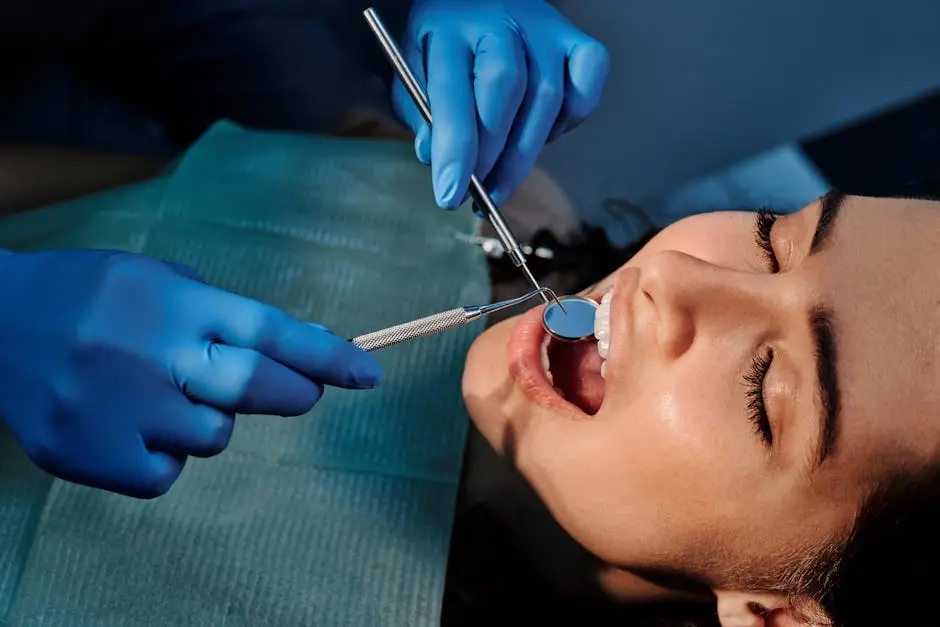
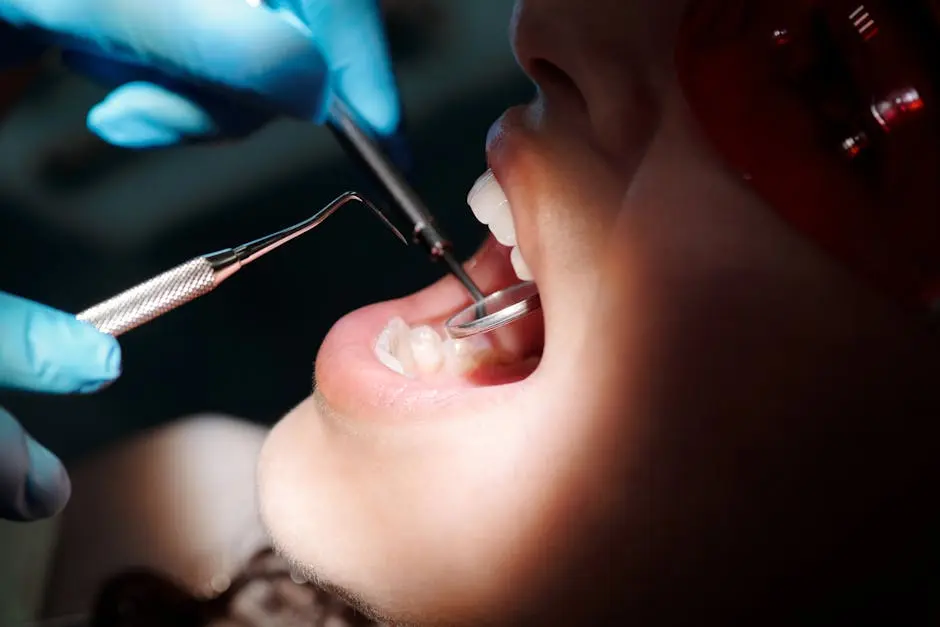
A dentist uses local anesthesia (like Lidocaine) to completely block pain signals. You will feel pressure, but not the sharp pain associated with DIY attempts. For anxious patients, options like nitrous oxide (laughing gas) or IV sedation make the process completely stress-free.
Aftercare Checklist for a Smooth Recovery
- Bite on Gauze: Keep pressure on the site for 30 minutes to stop bleeding.
- Avoid Straws: Sucking through a straw can dislodge the blood clot, leading to a painful “dry socket.”
- Soft Foods Only: Stick to yogurt, applesauce, and lukewarm soup for 24 hours.
- Saltwater Rinse: After 24 hours, gently rinse to keep the site clean.
Frequently Asked Questions About Tooth Removal
Can I numb my tooth at home before pulling it?
Over-the-counter numbing gels only affect the surface of the gum. They do not reach the nerve inside the tooth or the ligaments holding it in place. Only professional-grade local anesthesia can truly numb a tooth for extraction.
What if my child’s baby tooth won’t come out?
If a permanent tooth is already visible behind the baby tooth (often called “shark teeth”) and the baby tooth isn’t moving, see a pediatric dentist. They may need to remove it to prevent alignment issues.
Is it normal for a tooth to bleed after it comes out?
Yes, a small amount of bleeding is normal. It usually looks like more than it is because it mixes with saliva. Applying firm pressure with clean gauze for 15-30 minutes should stop it.
How do I make a tooth easier to pull out?
Focus on “loosening” rather than “pulling.” Encourage your child to wiggle it with their tongue and eat crunchy fruits. The more it wiggles, the more the remaining tissue breaks down naturally.
What should I do if a tooth breaks during a DIY attempt?
If a tooth breaks and the root is still in the gum, do not try to dig it out. This will cause infection. Call an emergency dentist immediately to have the fragments removed safely.