Cypress, TX: (832) 648-1756
Broken or Cracked Teeth: When It’s a Dental Emergency Cypress


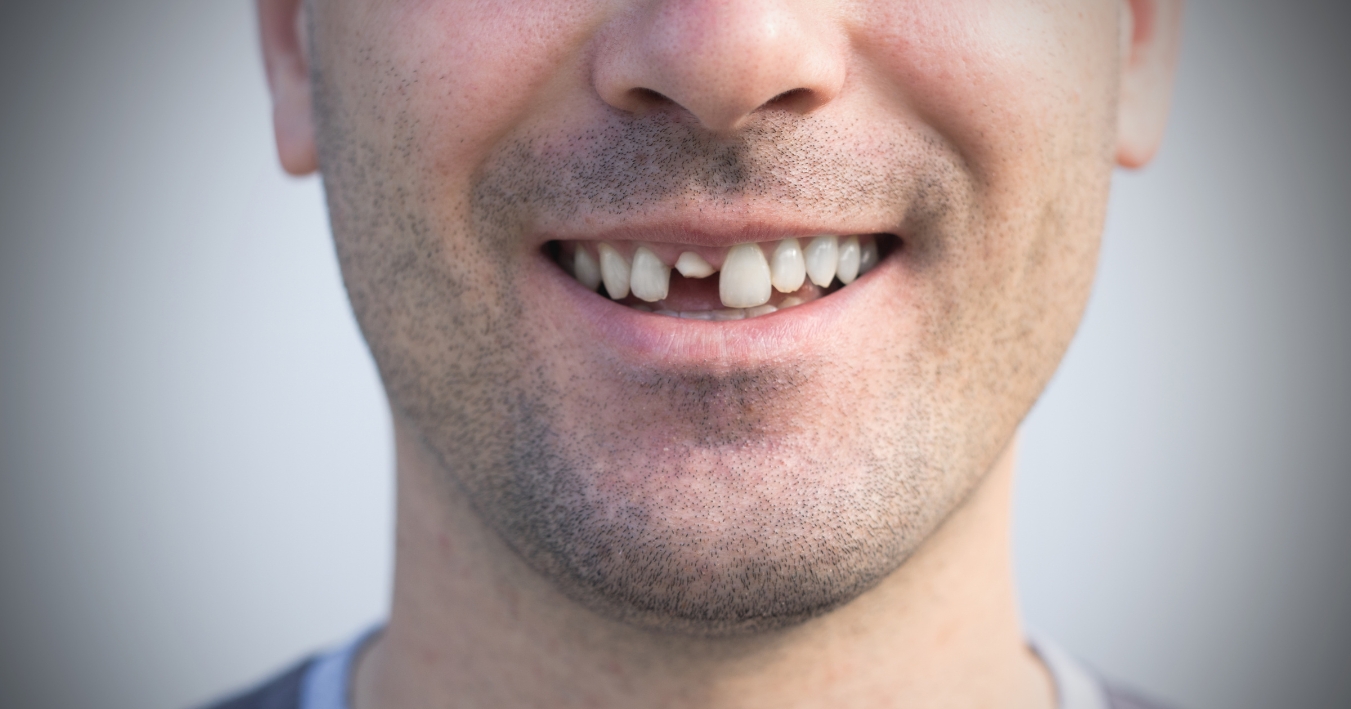
Broken or cracked teeth are common dental issues. They can happen to anyone, often when least expected. While some tooth damage may seem minor, others require immediate care. Ignoring signs of serious dental injuries can lead to more pain and complications.
Knowing when a broken or cracked tooth is an emergency is essential for protecting oral health. This article will help you understand the causes of tooth damage, identify emergency symptoms, and learn what steps to take if you experience a dental emergency.
If you are dealing with tooth pain or visible damage, quick action can make all the difference.
Causes of Broken or Cracked Teeth
Several everyday activities can lead to broken or cracked teeth:
- Biting into hard foods: Hard objects like ice, nuts, or candy can crack or break teeth.
- Accidents or trauma: Sports injuries, falls, and car accidents are common causes of tooth fractures.
- Weakness from decay or large fillings: Teeth with large fillings or decay are more prone to cracking.
- Teeth grinding (bruxism): Continuous grinding weakens the enamel, making teeth more susceptible to cracks.
Some cracks develop slowly over time, becoming more noticeable only after they worsen. Others happen suddenly due to impact or biting down on something hard.
Subtle cracks might not seem serious initially, but if left untreated, they can cause significant damage later. Recognizing the cause and seeking proper treatment will help you avoid further issues.
Types of Tooth Damage
Minor Cracks: Craze Lines
These are tiny cracks in the outer enamel and are typically harmless. They do not require emergency care but can be monitored by a dentist.
Fractured Cusps
A part of the chewing surface breaks off. This may not always cause pain, but it requires dental care to prevent further damage.
Cracked Tooth
A crack extends from the chewing surface toward the tooth root. If untreated, it may reach the nerve, causing severe pain.
Split Tooth
A tooth splits into distinct parts due to a severe crack. This usually requires immediate treatment and might lead to extraction.
Broken Tooth
A break that reaches the nerve, exposing the pulp. This type of injury can be very painful and often leads to infection if not treated promptly.
Signs That It’s a Dental Emergency
Some signs indicate a cracked or broken tooth is a dental emergency:
- Severe Pain
If you experience sharp, persistent pain when chewing or biting, it may signal a deep crack or nerve damage. - Sensitivity
Sudden sensitivity to hot, cold, or sweet foods can indicate that the crack has reached the tooth’s inner layers. - Visible Damage
Large cracks or visible broken pieces often need immediate attention to prevent further injury. - Bleeding
If your gums or the area around the tooth is bleeding, it could be a sign of a severe fracture. - Swelling or Infection
Swelling of the gums or face, pus, a bad taste in the mouth, or fever are signs of infection. Infections can spread quickly, so emergency treatment is required. - Loose or Knocked-Out Tooth
A loose tooth, or one that gets knocked out, is a clear dental emergency. Quick action is needed to save the tooth.
If you notice any of these symptoms, it is time to visit an emergency dentist Cypress. Prompt care can prevent worsening pain or infection.
What to Do in a Dental Emergency?
If you suspect a dental emergency, here are immediate steps you can take at home:
Rinse your mouth with warm water
This helps clean the area and can ease discomfort.
Apply a cold compress
Hold a cold compress to your face to reduce swelling and minimize pain.
Cover sharp edges
Use dental wax or sugarless gum to cover sharp tooth edges and protect your tongue or cheek.
Take over-the-counter pain relievers
Ibuprofen can help manage pain and inflammation, but avoid aspirin if there’s bleeding, as it can worsen it.
These steps provide temporary relief while you wait for professional care, but they are not a substitute for visiting a dentist.
When to Call Your Dentist?
It is essential to contact your dentist immediately if you experience severe pain, swelling, or bleeding. Some cases, like a knocked-out tooth, require urgent care to increase the chances of saving the tooth.
In the meantime, you can use temporary solutions, such as applying dental cement (available in drugstores) to cover cracks or chips. Gauze can help control bleeding until you reach a professional.
However, these are only short-term fixes, and proper treatment is necessary to avoid long-term complications.
Treatment Options for Broken or Cracked Teeth
- Dental Bonding
Dentists use bonding for small chips or cracks. This restores the tooth’s appearance and strength. - Crown
Larger fractures may need a crown to protect the remaining tooth structure and restore function. - Root Canal
If the crack reaches the pulp, a root canal may be necessary to remove damaged tissue and save the tooth. - Extraction
In severe cases where the tooth can’t be saved, extraction is the last option. - Dental Implants or Bridges
If extraction is necessary, implants or bridges can replace the missing tooth and restore your smile.
Prevention Tips
Here are some ways to prevent cracked or broken teeth:
- Wear a Mouthguard
Use a mouthguard during sports or at night if you grind your teeth to protect your enamel. - Avoid Biting Hard Objects
Refrain from biting down on hard objects like ice, pens, or candy to avoid accidental fractures. - Maintain Regular Dental Checkups
Regular dental checkups help detect small issues before they become major problems. - Strengthen Teeth
Keep your teeth healthy by maintaining good oral hygiene and eating calcium-rich food for stronger enamel.
Recognizing the signs of a dental emergency can save you from further pain and complications. Severe pain, visible damage, or signs of infection should never be ignored. If you suspect a broken or cracked tooth, seek professional care immediately. Even minor cracks can worsen if left untreated.
Protect your oral health by acting quickly and visiting our emergency dentists for prompt and effective care. Do not let a small problem turn into a bigger one.