Cypress, TX: (832) 648-1756

Wisdom Tooth Pain: Symptoms, Treatment and Relief

When does wisdom tooth pain typically occur?
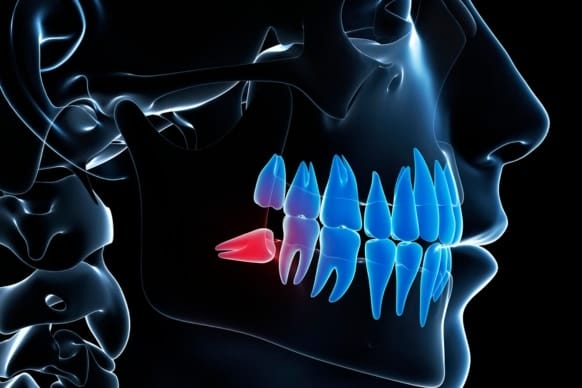
Wisdom tooth pain typically occurs during the late teenage years or early twenties when the third molars, also known as wisdom teeth, begin to erupt. This is a natural process in which the wisdom teeth attempt to emerge through the gums and into the mouth. However, due to limited space in the jaw, these teeth often become impacted or partially erupted, leading to pain and discomfort.
The exact timing of when wisdom tooth pain occurs can vary from person to person. Some individuals may experience pain as soon as their wisdom teeth start to come in, while others may not feel any discomfort until later on. In some cases, wisdom tooth pain may even develop in adulthood if the teeth have not fully erupted or if there are complications such as infection or decay.
Common symptoms associated with wisdom tooth pain
Third molar pain is often accompanied by various symptoms that can help identify its cause. Some common symptoms associated with third molar pain include:
- Swelling and tenderness around the affected area
- Jaw stiffness or difficulty opening the mouth fully
- Pain or discomfort while chewing or biting down
- Inflammation of the gums near the back of the mouth
- Foul taste or bad breath due to trapped food particles
- Headaches or earaches that radiate from the affected area
Intensity of wisdom tooth pain described
The intensity of third molars pain can vary depending on several factors such as the position and condition of the impacted tooth, individual pain tolerance levels, and the presence of any underlying infections or complications. Some people may experience mild discomfort that comes and goes, while others may suffer from severe, constant pain that affects their daily activities.
third molar pain is often described as a dull, throbbing ache or pressure in the back of the mouth. The intensity can range from mild to excruciating, with some individuals experiencing sharp, shooting pains. The level of pain can also increase when biting down or applying pressure on the affected area.
Specific triggers that worsen wisdom tooth pain
There are certain triggers that can worsen wisdom tooth pain and make it more noticeable. These include:
- Eating hard or crunchy foods that put pressure on the impacted teeth
- Consuming hot or cold beverages that cause sensitivity in the affected area
- Brushing or flossing around the wisdom teeth, which can irritate the gums
- Applying excessive force while biting down or chewing
- Touching or pressing on the swollen gums near the wisdom teeth
Can wisdom tooth pain radiate to other areas of the mouth or face?
Yes, wisdom tooth pain can radiate to other areas of the mouth and face. This is because the nerves surrounding the wisdom teeth are interconnected with other nerves in these regions. When there is inflammation or irritation around the impacted teeth, it can trigger referred pain that is felt in nearby areas.
The most common areas where third molars pain may be felt include the jaw, cheeks, ears, and temples. Some individuals may also experience headaches or neck pain as a result of referred pain from their wisdom teeth. It’s important to note that if you’re experiencing radiating pain in these areas, it’s best to consult with a dental professional for an accurate diagnosis and appropriate treatment.
Distinguishing wisdom tooth pain from regular dental discomfort
Distinguishing third molar pain from regular dental discomfort can be challenging, especially if you’re not sure where the pain is originating. However, there are a few key factors that can help differentiate between the two:
- Location: Wisdom tooth pain typically occurs in the back of the mouth, while other dental discomfort may be localized to a specific tooth or area.
- Timing: Wisdom tooth pain often arises during the late teenage years or early twenties when the third molars start to erupt. Regular dental discomfort may occur at any age and can be associated with various dental conditions.
- Symptoms: Wisdom tooth pain is often accompanied by swelling, tenderness, and difficulty opening the mouth fully. Other dental discomfort may present with symptoms such as sensitivity to hot or cold substances, toothache, or gum inflammation.
Home remedies and over-the-counter medications for temporary relief from wisdom tooth pain
While it’s important to seek professional dental help for long-term relief from wisdom tooth pain, there are some home remedies and over-the-counter medications that can provide temporary relief until you can see a dentist. Dr. Patrick Vuong, a dentist in Katy, TX, can assess your situation and provide appropriate guidance for managing wisdom tooth pain effectively.
- Rinsing with warm salt water: Mix half a teaspoon of salt in eight ounces of warm water and rinse your mouth gently several times a day. This can help reduce inflammation and soothe the gums.
- Over-the-counter pain relievers: Nonsteroidal anti-inflammatory drugs (NSAIDs) like ibuprofen or acetaminophen can help alleviate pain and reduce inflammation. Follow the recommended dosage instructions on the packaging.
- Cold compresses: Applying an ice pack or cold compress to the outside of your cheek near the affected area can help numb the pain and reduce swelling.
- Clove oil: Dabbing a small amount of clove oil onto a cotton ball and placing it on the painful area can provide temporary relief due to its natural analgesic properties.
When to seek professional dental help for wisdom tooth pain
If you’re experiencing third molar pain, it’s important to seek professional dental help, especially if the pain is severe, persistent, or accompanied by other concerning symptoms. A dentist will be able to assess your situation and recommend appropriate treatment options. Some signs that indicate the need for professional dental help include:
- Severe pain that affects your daily activities or sleep
- Swelling or pus discharge from the gums around the impacted teeth
- Fever or other signs of infection
- Difficulty opening your mouth fully or swallowing
- Unpleasant taste or bad breath that doesn’t improve with oral hygiene practices
Third molars pain can vary in intensity and sensation, but it is commonly described as a dull ache or sharp discomfort in the back of the mouth. Seeking professional dental advice is crucial to properly diagnose and address any wisdom tooth-related issues.
How do I know if I have wisdom tooth pain?
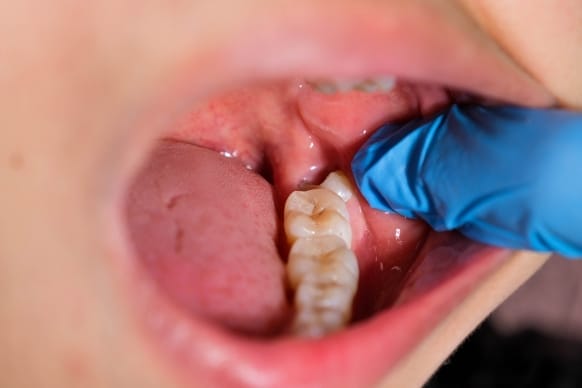
The pain from wisdom teeth is typically felt at the rear of the mouth, behind the molars. If you examine your mouth in a mirror, you may see that your wisdom teeth are starting to emerge through the gums. The area may also appear red, swollen, and sensitive to touch.
What can be mistaken for wisdom tooth pain?
Impacted wisdom teeth can lead to pain in areas other than the tooth and jaw. This is because they are situated in the back of the jaw, causing inflammation and applying pressure on the TMJ joint and the side of the face. This discomfort is occasionally misinterpreted as allergies or a sinus infection.
What does wisdom tooth growing pain feel like?
A common indication that wisdom teeth are coming in is pain. Many people feel pain in their jaws and gums, which may be swollen or bleeding, behind their second molars. Some individuals may also have trouble fully opening their mouths.
Can wisdom teeth pain go away?
Pain caused by wisdom teeth is a frequently encountered dental issue and may naturally subside if the teeth are still erupting. However, if the pain persists beyond this stage, it may indicate an impacted wisdom tooth that needs surgical intervention for pain relief. In the meantime, you can utilize home remedies to alleviate discomfort while awaiting surgery or during the post-surgical recovery phase.
At what age do wisdom teeth grow?
Wisdom teeth, also known as third molars, are the final set of permanent teeth to emerge and are located at the back of the mouth. These teeth typically come in between the ages of 17 and 25, but they can also erupt much later in life.
How to tell the difference between wisdom teeth pain and cavity pain?
The pain from wisdom teeth is usually a constant, achy feeling, while the pain from a cavity is more specific to sensitivity and can feel like a sharp sting when chewing food.