
Emergency Dental Care
August 19, 2024
by smileavenu2dev
If you’re considering a zirconia bridge, the goal is simple: restore your smile and chewing ability with a restoration that lasts. Zirconia has become a popular choice because it combines strength, a natural-looking appearance, and a metal-free design—yet longevity still depends on fit, bite forces, and daily habits. This guide breaks down what a zirconia bridge is, why it can last for years, and how to protect it from the most common failure causes.
What Is a Zirconia Bridge? (Definition, Materials, and Types)
Zirconia vs. other bridge materials (porcelain, metal, acrylic)
A zirconia bridge is a dental fixed bridge made primarily from zirconium dioxide—a ceramic material known for high strength and fracture resistance. Dental professionals often choose zirconia because it can be milled with precision and designed to blend with surrounding teeth.
Compared with other common materials, zirconia is often favored for a balance of durability, aesthetics, and comfort. While no material is “indestructible,” zirconia tends to handle everyday biting forces well when the restoration is properly designed and maintained.
- Durability: Zirconia is a strong non-metal ceramic, which may reduce the risk of chipping compared with some more brittle options.
- Aesthetics: Many zirconia systems are designed to mimic the translucency and shade of natural teeth, especially with skilled layering or monolithic techniques.
- Biocompatibility: Zirconia is metal-free, which can be a helpful option for patients with metal sensitivities.
By contrast, porcelain can be highly aesthetic but may be more prone to chipping depending on thickness and design. Metal frameworks can be durable, but they may introduce visible metal margins or a “gray line” in certain gum conditions. Acrylic and composite-based components can be comfortable, but they may wear, stain, or fracture over time more than fully ceramic options.
Common zirconia bridge types (fixed, implant-supported, full-arch)
Zirconia bridges come in several designs depending on how many teeth are missing and what supports are available. Your dentist may recommend a traditional tooth-supported zirconia bridge, an implant-supported option, or a full-arch solution when multiple teeth are missing.
Understanding the type matters because the main “stress points” and hygiene challenges can differ between designs. For example, implant-supported bridges shift the support from natural teeth to dental implants, which can change how the bite forces are distributed.
- Fixed, tooth-supported zirconia bridge: A false tooth (or teeth) is anchored by zirconia crowns on the adjacent natural teeth.
- Implant-supported zirconia bridge: The bridge is supported by dental implants, often used when there isn’t enough healthy tooth structure.
- Full-arch zirconia implant bridge: In full-mouth dental implant concepts (often discussed in “All-on-4” style planning), multiple implants support a fixed bridge that can restore an entire arch.
In full-arch cases, the bridge design typically aims to achieve stable function while managing forces across implants and supporting bone. Your dentist may also consider how the prosthesis will respond to chewing patterns and possible grinding.
Where zirconia bridges are used (single missing tooth to full arch)
Zirconia bridges can be used to replace one missing tooth, several missing teeth, or—when planned as a full-arch restoration—restore an entire jaw. The best choice depends on your bite, gum health, bone support, and the condition of the teeth (or implants) that will anchor the bridge.
For patients who are missing one or several teeth, a zirconia bridge may be a fixed alternative to removable options. For patients who need broader replacement, full mouth dental implant planning with a zirconia fixed bridge can be considered when appropriate.
- One or several missing teeth: Often treated with a tooth-supported zirconia bridge using crowns on the adjacent teeth.
- Full mouth dental implants with zirconia fixed bridge: Common in full-arch implant concepts where implants provide the foundation.
- CAD/CAM milling from solid blocks: Many zirconia restorations are milled from solid zirconia blocks using CAD/CAM technology, which can improve accuracy and consistency.
In some cases, CAD/CAM workflows can shorten the timeline compared with traditional multi-step fabrication. Your dentist can explain whether same-day or expedited delivery is realistic for your specific case.
Why Zirconia Bridge Longevity Matters (What “long-lasting” really depends on)
Longevity drivers: fit, occlusion, and material quality
Longevity is not only about the material—it’s also about how well the zirconia bridge fits and how it interacts with your bite. A precise fit helps distribute forces more evenly and reduces the risk of stress concentration at the margins or connectors.
Occlusion (how your upper and lower teeth meet) is especially important for ceramic restorations. If the bite is slightly off, the bridge may experience higher-than-expected loads during chewing, which can contribute to chipping or cracking over time.
- Fit: Precision at the margins reduces micro-gaps where plaque can collect and where cement may be stressed.
- Occlusion: Proper bite alignment helps prevent excessive pressure on the bridge and supporting teeth or implants.
- Material quality: Zirconia performance can vary by brand/variant and by how the restoration is designed and processed.
Quality and aesthetics can also vary by lab and clinician skill. Dental professionals may adjust the design, shade, and surface finish to match your anatomy and reduce the likelihood of rough edges that can irritate gums or trap debris.
Biocompatibility and hygiene advantages
Zirconia is widely chosen for its metal-free profile, which can be reassuring for people who prefer to avoid metal components. Many patients also find zirconia comfortable because it is smooth and non-metallic.
Hygiene is another reason zirconia bridges can support long-term success. Zirconia is often described as having a relatively non-porous or smooth surface, which may make it harder for stains to adhere compared with more porous materials.
- Reduced plaque accumulation claims: Some studies and clinical experience suggest smoother surfaces can help reduce plaque retention.
- Gum comfort: Proper margin design and smooth finishing can support healthier gum tissue around the bridge.
- Allergy-free positioning: Because zirconia is metal-free, it may be a good option for patients with metal sensitivities (your dentist can confirm suitability).
Even with these advantages, plaque can still build up around margins and under areas where cleaning is difficult. The bridge’s longevity still depends heavily on daily brushing and flossing.
Realistic expectations (decades vs. “it depends”)
It’s reasonable to expect a zirconia bridge to last for many years when it’s well-designed and cared for. However, “decades” is not guaranteed for every patient because risk factors like bite issues, gum disease, and grinding habits can shorten lifespan.
Think of longevity as a combination of prevention and risk management. Your dentist may recommend ongoing monitoring so small problems—like minor margin roughness or early gum inflammation—are addressed before they become major repairs.
- Care + maintenance: Daily cleaning and regular check-ups help protect both the bridge and the supporting tissues.
- Risk management: Addressing bruxism, adjusting the bite, and improving diet can reduce stress on the restoration.
- Individual factors: Smoking, oral hygiene quality, and how your bite loads the bridge can all influence outcomes.
If grinding (bruxism) is present, the bridge may experience repeated high forces. Without intervention, these forces can raise the chance of chipping, loosening, or complications around abutments.
Causes of Zirconia Bridge Failure (What breaks, chips, stains, or loosens it)
Mechanical stress: biting forces, bruxism, and hard foods
Even strong ceramics can fail when they’re exposed to repeated impact or excessive load. Mechanical stress is one of the most common reasons zirconia bridges chip, crack, or develop surface roughness.
Hard foods can create sudden forces that exceed what the restoration can safely absorb. This is why many dental professionals advise avoiding habits like chewing ice or biting into hard candy.
- Hard foods: Nuts, ice, hard candy, and popcorn kernels can increase chipping risk.
- Bruxism/grinding: Night grinding can apply repeated pressure that accelerates wear and stress.
- Occlusal management: Proper bite adjustment helps reduce “high spots” that concentrate forces on specific areas.
In some cases, a bridge may not fail immediately but may develop micro-damage over time. That’s why early symptoms—like new discomfort when chewing—should be evaluated promptly.
Biological causes: plaque, gum disease, and decay around abutments
Biological problems can undermine a zirconia bridge even if the ceramic itself remains strong. If plaque builds up at the margins, it can irritate gums and contribute to inflammation.
Over time, gum disease can affect the stability of the supporting teeth or implants. For tooth-supported bridges, decay can also occur on the abutment teeth if cleaning is inconsistent or if existing dental work is vulnerable.
- Plaque buildup: Plaque can lead to gingivitis, bleeding, and deeper periodontal issues.
- Supporting teeth/implants still need protection: The bridge does not eliminate the need for hygiene around abutments.
- Margin integrity matters: If a margin becomes rough or if cement integrity is compromised, plaque may collect more easily.
Studies and clinical experience consistently show that gum health is a major determinant of long-term success for fixed restorations. Your dentist may monitor probing depths and gum levels at bridge margins during routine visits.
Lifestyle and habits: smoking and sugar exposure
Some lifestyle factors can quietly shorten the lifespan of a zirconia bridge. Smoking is a well-known risk factor for periodontal disease, which can compromise the tissues that support the restoration.
Frequent sugar exposure also increases the risk of decay around abutment teeth. Even if the bridge itself is ceramic, the teeth underneath or adjacent to the margins can still develop cavities.
- Smoking effects: Smoking can reduce healing and worsen gum inflammation, increasing the chance of complications.
- Sugar and plaque acid: Sugary snacks and frequent sipping of sweet drinks feed bacteria that produce acids.
- Timing matters: The more often the mouth experiences acid attacks, the higher the risk for decay.
Reducing these risks doesn’t just protect the bridge—it supports your overall oral health. Many dental professionals recommend pairing restoration care with periodontal and cavity prevention strategies.
Signs Your Zirconia Bridge Needs Attention (Symptoms to watch for)
Comfort and fit changes
One of the earliest warning signs is a change in how the bridge feels. Patients often notice looseness, rocking, or a shift in bite feel—especially when chewing on one side.
Discomfort can also appear if the bite has changed due to wear, jaw movement, or other dental work. Even small bite changes can create higher forces on the restoration.
- Looseness or rocking: A sensation that the bridge moves can indicate cement or abutment issues.
- Changes in bite feel: If it feels “higher” or different, an occlusal adjustment may be needed.
- New chewing discomfort: Pain when biting can signal stress or inflammation around margins.
Because ceramic restorations can be sensitive to bite loading, any new discomfort should be evaluated rather than ignored.
Surface and appearance changes
Chips, cracks, and rough edges can develop after impact or long-term stress. While zirconia is strong, it can still be damaged by hard impacts or by repeated overload from grinding.
Staining and discoloration may also occur depending on surface finish, diet, and oral hygiene. If the bridge looks darker or uneven compared with surrounding teeth, it’s worth having it checked.
- Chips or cracks: Visible damage or a rough edge can trap plaque and irritate gums.
- Roughness: Rough surfaces can increase debris retention and affect comfort.
- Staining/discoloration: Coffee, tea, smoking, and poor plaque control can contribute.
Some surface discoloration can be improved professionally, while structural damage often requires repair or replacement. Your dentist can determine which scenario applies.
Gum and hygiene red flags
Gums are often the first place problems show up. Bleeding gums, persistent bad breath, or gum recession near bridge margins can indicate inflammation or plaque accumulation.
Food trapping is another common sign that the bridge fit or contour may need adjustment. When food repeatedly gets stuck, it can increase both gum irritation and decay risk around abutments.
- Bleeding gums: Especially if it occurs around the bridge margins.
- Persistent bad breath: Can be linked to plaque retention and gum inflammation.
- Food trapping: A frequent “catching” sensation during chewing or flossing.
If these symptoms are present, a professional exam can help identify whether the issue is hygiene-related, occlusal, or structural. If you’re local to the area, our practice offers dental bridge care in Cypress, TX and we’re happy to take a look.
Treatment Options and Professional Care (What dentists do to protect or fix zirconia bridges)
Routine check-ups and professional cleanings
Regular dental visits play a major role in zirconia bridge longevity. Many dental professionals recommend check-ups about every 6 months, though your dentist may suggest a different schedule based on gum health and risk factors.
Professional cleanings remove plaque and tartar in areas that are difficult to reach at home, especially around margins and under bridge contours. This can help prevent gum inflammation that might otherwise compromise the supporting teeth or implants.
- 6-month monitoring: Helps catch early gum changes and margin issues.
- Professional cleaning: Targets plaque buildup that brushing and flossing may miss.
- Occlusion checks: Ensures bite forces remain balanced over time.
During exams, your dentist may also evaluate the bridge’s fit, check for signs of cement wear, and assess whether any adjustments are needed.
Repairs vs. replacement decisions
When a problem appears, the next step depends on the type and extent of damage. Some issues can be corrected with minor adjustments, while others require repair or full replacement.
For example, occlusion tuning—adjusting high spots—may resolve discomfort without changing the restoration. However, structural damage such as a significant crack or repeated chipping often indicates that replacement may be the safest long-term option.
- Minor adjustments/repairs possible: Occlusion tuning, smoothing rough edges, or addressing minor margin concerns.
- Replacement recommended: Structural damage, persistent loosening, or repeated failures after repair.
- Decision based on risk: Your dentist may consider gum health, abutment integrity, and bite stability.
Prompt evaluation is important because small issues can sometimes worsen if left untreated. Early intervention can reduce the chance of needing more extensive treatment later.
Occlusal protection for bruxers (night guards and bite management)
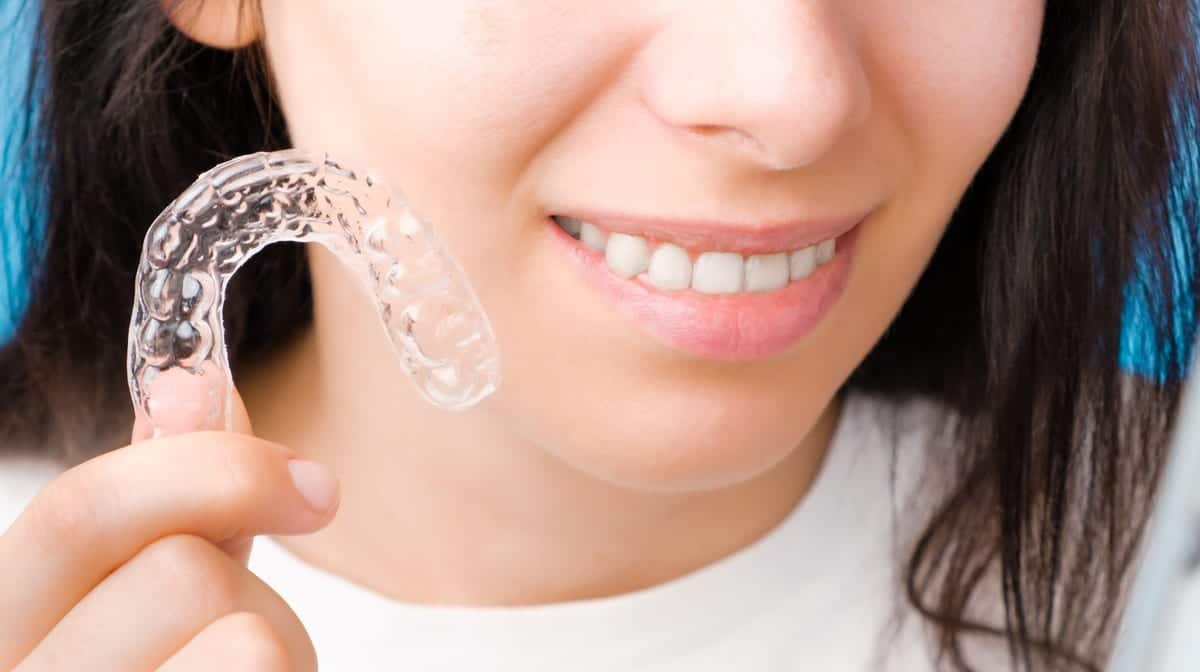
If grinding or clenching is part of daily life, a protective appliance can be one of the most effective ways to extend zirconia bridge lifespan. Night guards and bite splints reduce the forces transmitted to the restoration during sleep.
However, the appliance must fit well and be adjusted correctly. A poorly fitting guard can shift the bite or create new pressure points, which may increase stress on the bridge.
- Night guard/bite splint: Helps absorb and distribute grinding forces.
- Precise adjustments matter: Small changes in occlusion can significantly affect stress distribution.
- Ongoing monitoring: Your dentist may recheck the guard and bite periodically.
For bruxers, protecting the bridge also helps protect the supporting teeth or implants, potentially reducing long-term complications.
How to Maintain Your Zirconia Bridge at Home (Prevention-focused daily routine)
Brushing technique for zirconia bridge surfaces
A consistent brushing routine is one of the best ways to protect a zirconia bridge. Use a soft-bristled toothbrush and gentle technique to clean the bridge surface and the surrounding gumline without causing abrasion.
Many people do best with small circular motions and careful attention to the areas where the bridge meets the gums and adjacent teeth. Avoid aggressive scrubbing, which can irritate gums and wear down nearby enamel over time.
- Soft brush + gentle circles: Clean all surfaces, including the gumline.
- Be thorough: Spend extra time on the margins where plaque can hide.
- Timing guidance: Many dentists recommend waiting about 30 minutes after eating before brushing, especially after acidic foods or drinks.
Brushing should be comfortable and consistent. If brushing causes bleeding or pain, it may indicate gum inflammation that needs professional attention.
Flossing and cleaning around the bridge
Flossing is essential because plaque often accumulates between teeth and along bridge margins. A zirconia bridge can create areas where food and bacteria are harder to remove with brushing alone.
Depending on your bridge design, your dentist may recommend floss threaders, interdental brushes, or bridge-specific tools. The goal is to remove debris without snapping or damaging the gums.
- Floss around/under the bridge: Remove trapped debris at the margins.
- Use access tools if needed: Floss threaders can make cleaning easier under fixed bridges.
- Gentle technique: Guide tools carefully to avoid gum trauma.
If flossing feels difficult, it doesn’t mean the bridge is “too hard” to clean—it may mean the right tool or technique hasn’t been chosen yet. Your dentist can demonstrate the best approach for your specific bridge.
Mouthwash and stain/bacteria control
Mouthwash can be a helpful additional layer of protection, especially if it supports gum health and reduces bacterial load. Many dental professionals recommend antimicrobial rinses for patients who have gum inflammation or higher plaque risk.
At the same time, mouthwash should not replace brushing and flossing. It works best as a supplement, and product choice matters—some rinses can be too harsh or irritating for sensitive gums.
- Antimicrobial mouthwash: Consider as directed by your dentist.
- Choose wisely: Avoid harsh abrasives and overly strong formulas if they irritate tissues.
- Consistency: Use as part of a daily routine for best results.
If staining is a concern, your dentist may also recommend professional cleaning and guidance on stain-causing habits like coffee, tea, and smoking.
Diet and Lifestyle Rules for Zirconia Bridge Longevity
Avoid hard foods and protect against chips/cracks
Diet plays a direct role in ceramic restoration longevity. Even though zirconia is strong, it can still chip or crack when exposed to high-impact forces.
Hard foods can create sudden stress that the bridge cannot safely absorb, especially if you bite into them with a single tooth or on the edge of the restoration.
- Avoid nuts and hard candy: These can create impact forces strong enough to damage ceramics.
- Avoid ice: Chewing ice is a common cause of dental chipping.
- Cut food smaller: Smaller pieces reduce the chance of biting directly on the bridge.
When cravings hit, consider safer alternatives like softer textures or foods cut into bite-sized portions. This small change can make a meaningful difference over time.
Limit sugar and manage plaque-forming habits
Even with a durable zirconia bridge, sugar can increase the risk of decay around abutment teeth. Sugary snacks and frequent sipping of sweet drinks feed bacteria that produce acids, which can erode enamel and inflame gums.
Limiting sugar frequency is often more effective than limiting sugar quantity alone. The mouth experiences acid attacks each time sugar is consumed, so spacing intake can reduce risk.
- Reduce sugary foods/drinks: Lower decay risk around margins.
- Rinse with water when appropriate: Water rinsing after sugary intake can help neutralize acids.
- Maintain plaque control: Good brushing and flossing reduce bacterial buildup.
Your dentist may also recommend fluoride strategies if you have a history of cavities or dry mouth—both can increase risk around bridge margins.
Stop smoking and reduce risk to gums and supporting structures
Smoking affects the health of gum tissue and can reduce healing capacity. For people with a zirconia bridge, maintaining healthy gums is essential because inflammation can compromise the stability of supporting teeth or implants.
Smoking also increases the likelihood of staining and can worsen breath odor. Over time, these factors can create a cycle of reduced oral health and increased restoration risk.
- Periodontal health impact: Smoking increases the risk of gum disease progression.
- Healing and inflammation: It can slow recovery after irritation or dental procedures.
- Bridge longevity connection: Healthy gums help protect the margins and supporting structures.
Quitting smoking is one of the most powerful steps for long-term oral health. Your dentist can discuss supportive options and coordinate with your primary care provider if needed.
Zirconia Bridge vs. Other Implant Bridge Options (Hybrid comparison)
Zirconia implant bridges: monolithic, non-porous, metal-free benefits
Many zirconia implant bridges are designed as monolithic restorations, meaning the main structure is made from a single zirconium dioxide material. This design can support strength and may reduce the number of interfaces where failure could occur.
Because zirconia is metal-free, it can be appealing for patients who want a restoration without metal components. Many dental professionals also highlight zirconia’s resistance to staining compared with more porous materials.
- Monolithic construction: Often milled from zirconium dioxide for consistent strength.
- Non-porous/smooth surface benefits: May help reduce stain adherence and plaque retention.
- Biocompatibility claims: Zirconia is widely considered a metal-free option for sensitive patients.
While zirconia implant bridges can be highly durable, the final outcome still depends on fit, bite alignment, and how well the gums and implants are maintained.
Hybrid implant bridges: acrylic/composite overlay tradeoffs
Hybrid implant bridges often use a titanium framework with an acrylic or composite overlay. This can create a comfortable feel and may offer certain aesthetic benefits depending on the design.
However, acrylic and composite materials can wear, stain, or fracture over time. Repairs may be possible, but the maintenance schedule can differ from a fully ceramic zirconia approach.
- Titanium framework + overlay: Provides structure while the overlay provides the tooth-like surface.
- Potential for wear/staining: Over time, acrylic/composite surfaces may discolor or roughen.
- Repair considerations: Some hybrid designs may require more frequent maintenance depending on material performance.
Your dentist can help weigh comfort, durability, and maintenance expectations based on bite forces, hygiene ability, and aesthetic goals.
Which is better for you? Decision factors
There isn’t one universal “best” bridge option. The right choice depends on your bite mechanics, gum health, aesthetic priorities, and willingness to follow maintenance recommendations.
For some patients, maximum durability and stain resistance are top priorities. For others, comfort and shock absorption characteristics may influence the decision.
- Durability vs. comfort: Zirconia may offer strong resistance, while hybrids may feel different due to overlay materials.
- Aesthetics: Shade matching and surface finish can vary by design and technician skill.
- Maintenance expectations: Some options may require more frequent monitoring or repairs.
A personalized consultation helps clarify which option best supports long-term function and appearance for your specific situation.
Zirconia Bridge Materials and Options (What to ask your dentist/lab)
Material selection considerations (strength, aesthetics, cleansability)
Not all zirconia is identical. Different zirconia brands and variants may offer different strength and aesthetic properties, and the final result can depend on how the restoration is designed and fabricated.
When discussing your zirconia bridge, it’s helpful to ask about the material type and the approach used to achieve both strength and a natural look. Cleansability—how easy it is to keep the surface and margins clean—should also be part of the conversation.
- Strength: Ask what zirconia variant is used and why it’s appropriate for your bite.
- Aesthetics: Discuss shade matching and translucency goals for your teeth.
- Cleansability: Ask about surface finishing and how plaque control is supported.
Surface smoothness and margin design can influence comfort and hygiene. Dental professionals often consider these factors during planning and final adjustments.
Esthetic zirconia vs. full-strength zirconia (matching goals)
Zirconia can be selected based on where the restoration will be placed and what aesthetic demands are expected. Anterior areas may require more attention to translucency and shade blending, while posterior areas may prioritize maximum strength.
In some cases, the understructure and technique can affect appearance. For example, if the design is not optimized, some patients worry about gray lines or color show-through near the gumline.
- Anterior vs. posterior needs: Anterior zones often require more lifelike translucency.
- Shade matching goals: Ask how the restoration will be matched to surrounding teeth.
- Technique influences appearance: Understructure choices and layering/finishing can affect final color.
Your dentist can explain which zirconia approach fits your smile goals and your functional needs.
Questions to ask about your specific zirconia bridge
Asking the right questions can help ensure the bridge is designed for your anatomy, bite, and long-term care routine. A good appointment includes clear explanations about fabrication methods and what to do if problems occur.
These questions can guide the discussion and help you feel confident about the plan.
- Fabrication approach: Is CAD/CAM used, and is the design monolithic or layered?
- Expected maintenance: What follow-up schedule is recommended, and what symptoms should trigger an earlier visit?
- Damage plan: If chipping or roughness occurs, what repair or replacement options are available?
- Occlusion strategy: How will bite forces be evaluated and adjusted after placement?
These details help align expectations and support better long-term outcomes.
Comparison Table: Zirconia Bridge Maintenance vs Common Alternatives
Side-by-side comparison (care needs, staining risk, durability)
Maintenance needs vary by bridge material and design. The table below summarizes typical care considerations and risk patterns so you can better understand what “maintenance” may look like for each option.
| Option | Care needs | Staining risk | Chip/Crack risk | Repair complexity | Typical longevity expectations* |
|---|---|---|---|---|---|
| Zirconia bridge | Brush + floss daily; focus on margins | Often lower than porous materials | Moderate; increases with hard impacts/bruxism | May be repairable for minor issues; structural damage may need replacement | Many years with good fit, hygiene, and bite management |
| Hybrid implant bridge (titanium + acrylic/composite overlay) | Brush + floss daily; monitor overlay wear | Can be higher due to overlay materials | Overlay fracture/wear possible over time | Repairs may be more frequent depending on wear | Often long-lasting, but overlay maintenance may be needed |
| Porcelain/metal options (where relevant) | Brush + floss daily; monitor margins and wear | Varies; metal margins may affect appearance | Porcelain can chip if thickness/design is limited | Repair/replacement depends on chipping extent | Can last many years with proper design and care |
*Longevity expectations vary widely based on bite forces, gum health, and habits like grinding, smoking, and diet.
Maintenance “effort” and “risk” summary
In most cases, the daily effort for a zirconia bridge is similar to other fixed restorations: consistent brushing, daily flossing, and regular professional cleanings. The difference is that zirconia’s surface characteristics may influence staining and plaque retention, while other materials may require closer monitoring for wear.
Risk is also influenced by design and patient habits. A person with bruxism who does not use a night guard may experience higher mechanical stress regardless of material choice.
- Easiest to clean: Options with smooth, well-finished surfaces and well-designed margins often feel easier to maintain.
- More frequent monitoring: Restorations with overlay materials may need more attention to wear and discoloration.
- Prevention wins: Brushing, flossing, diet control, and smoking cessation reduce risk across all bridge types.
Your dentist can help select the option that best matches your hygiene routine, bite mechanics, and aesthetic priorities.
Frequently Asked Questions
How long does a zirconia bridge last?
A zirconia bridge is designed to be durable and can last many years for many patients. Exact lifespan depends on factors like fit, occlusion, gum health, and habits such as grinding, hard-food impacts, smoking, and sugar frequency. With consistent care and regular check-ups, long-term success is more likely.
Can plaque still build up on a zirconia bridge?
Yes. Plaque can accumulate around margins and in areas where cleaning is difficult, even if zirconia itself is relatively smooth. Daily brushing and flossing (or using bridge-specific tools) are still essential to protect gum tissue and supporting teeth or implants.
Is a zirconia bridge safe for people with metal allergies?
Zirconia is metal-free, which can make it a common choice for people with metal sensitivities. However, safety also depends on the full restoration design, including any components used for support or cementation. Your dentist can confirm suitability based on your medical history and the planned bridge system.
What should I do if my zirconia bridge chips or cracks?
Contact your dentist promptly for an exam. Small issues may sometimes be managed with adjustments or repair, but structural damage often requires repair or replacement to prevent further stress and gum complications. Avoid chewing on the affected side until it’s evaluated.
Do I need a night guard if I grind my teeth?
Often, yes. Bruxism and clenching can apply repeated forces that increase the risk of chipping, roughening, and discomfort. A night guard or bite splint can reduce stress on the zirconia bridge and help protect the supporting teeth or implants.
How should I clean around a zirconia bridge?
Brush gently with a soft toothbrush and clean along the gumline and bridge surfaces. Floss daily using a threader or bridge-specific tools if needed to remove debris at the margins. An antimicrobial mouthwash may be recommended as an additional step, but it should not replace brushing and flossing.
Are zirconia bridges better than hybrid implant bridges?
Zirconia is often chosen for maximum durability and stain resistance, especially when a smooth, monolithic design is used. Hybrid implant bridges may offer different comfort characteristics due to acrylic/composite overlays, but those overlays can wear or stain over time. The “better” option depends on your bite, hygiene ability, aesthetic goals, and maintenance preferences.
What foods should I avoid with a zirconia bridge?
Avoid hard or impact foods like ice, hard candy, and nuts, since they can chip or crack ceramics. Limit sticky foods that can pull at margins, and reduce frequent sugary items to lower decay risk around abutment teeth. Cutting food into smaller pieces can also reduce stress on the bridge during chewing.
Maintaining a zirconia bridge is mostly about prevention: protect it from hard impacts, manage grinding with a night guard if needed, keep gums healthy with daily cleaning, and never ignore early warning signs. For personalized guidance on the best care routine and whether your bite needs adjustment, schedule a consultation with your dentist or restorative specialist. If you’re in the Katy area, our practice also provides dental bridges in Katy, TX and would be glad to help you keep yours in great shape.