
Emergency Dental Care
March 16, 2026
by smileavenu2dev
If you hear your 3-year-old grinding their teeth at night, you are not alone. Bruxism, or teeth grinding, is a common dental concern that affects two to three out of every 10 children. While many children eventually outgrow this behavior, it is important to monitor for signs of enamel wear or persistent pain to ensure your child’s long-term oral health.
Causes of Bruxism in Children
While the exact cause is often unclear, several factors may contribute to nighttime grinding:
- Developmental Changes: Children may grind their teeth as they adjust to the sensation of their baby teeth or as a reaction to misaligned teeth.
- Stress and Anxiety: Emotional stressors or feelings of anger can manifest as jaw clenching during sleep.
- Physical Discomfort: Grinding can be a response to earaches, facial pain, or general discomfort.
- Medical Factors: In some cases, hyperactivity, certain medications, or underlying conditions like cerebral palsy may be linked to the behavior.
Signs and Effects of Bruxism
Because children often grind in their sleep without realizing it, you may need to listen for the sound at night or ask a sibling who shares the room. Watch for these symptoms:
- Short-Term Effects: Frequent headaches, earaches, jaw soreness, and sensitivity to hot and cold temperatures due to enamel wear. Note: If your child reports pain in the ears, cheeks, or neck, these are clinical red flags that warrant a professional dental evaluation.
- Long-Term Effects: If left unaddressed, persistent grinding can lead to flattened, chipped, or fractured teeth. In instances of prolonged and frequent grinding, there is a chance of developing temporomandibular joint disorder (TMD), which can make chewing or opening the mouth difficult.
How to Help Your Child
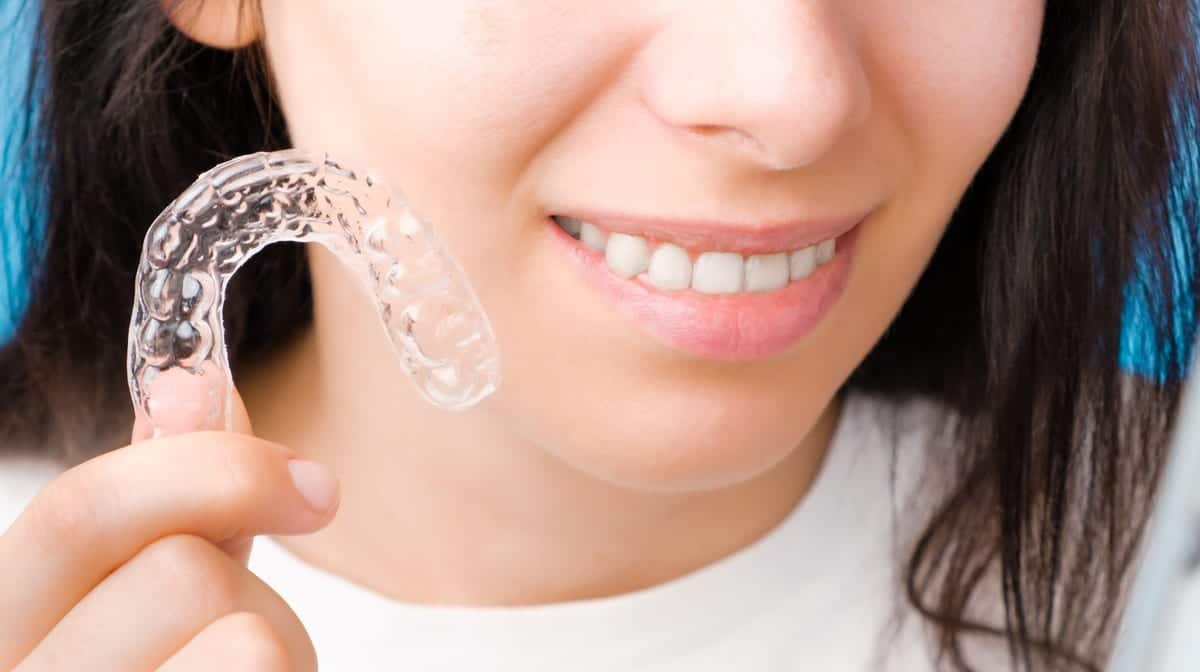
If you suspect your child is grinding their teeth, take these steps to protect their oral health, which may include the use of a night guard for teeth to prevent further damage.
- Create a Calming Bedtime Routine: Activities like a warm bath or listening to soothing music can help reduce stress before sleep.
- Schedule a Dental Checkup: Take reports of facial or ear pain seriously and make a dentist appointment. A professional evaluation is the best way to confirm a diagnosis. A dentist can assess the level of wear and, if necessary, recommend a custom mouthguard to prevent further damage.
- Address Underlying Stress: If you suspect anxiety is the root cause, focus on providing a supportive environment to help your child manage their emotions.
Frequently Asked Questions
Will my child outgrow teeth grinding?
Yes, the good news is that most children eventually outgrow teeth grinding as they develop. However, persistent grinding that causes physical damage to the primary teeth should still be monitored by a dentist.
When should I be worried about the noise?
You should consult a dentist if your child complains of persistent facial or jaw pain, or if you notice visible wear and tear on their teeth. Clinical distinction: Distinguish between occasional “night noises” and consistent grinding that results in audible gnashing or tooth sensitivity.
Can medication cause grinding?
Yes, in some instances, teeth grinding can be a side effect of certain medications. Always discuss your child’s symptoms with their pediatrician or dentist.
What can a dentist do for a 3-year-old?
A dentist can provide a proper diagnosis, monitor tooth enamel health, and suggest interventions like custom mouthguards to prevent grinding and residual soreness. Proactive tip: Battery-powered toothbrushes can also help by discouraging overly aggressive brushing styles that may exacerbate sensitive, worn enamel.
Disclaimer: This content is for informational purposes only and is not a substitute for professional advice, diagnosis, or treatment. Always seek the advice of your dentist or other qualified healthcare provider with any questions you may have regarding a medical condition or treatment.