
Emergency Dental Care
March 17, 2026
by smileavenu2dev
An alveolar fracture is a serious dental injury involving the displacement or breakage of the bone that secures your teeth. If you sustain a blow to the mouth, seek immediate medical or dental evaluation, as these injuries can lead to permanent tooth misalignment or tooth loss if not treated promptly. As dental professionals, we encourage you to find resources, products, and information to give your patients a healthier future.
What Is the Alveolar Bone?
The alveolar bone, or alveolar process, consists of the ridges in your maxilla and mandible that encase your tooth roots. Its primary function is to anchor your teeth within the jaw. Because this bone can be difficult to diagnose at a glance, professional imaging is often required to identify fractures following trauma. Clinical distinction: Unlike a simple tooth fracture, an alveolar fracture involves the supporting bone structure, which may cause a segment of several teeth to move together as a single unit when touched.
What Can Lead to an Alveolar Fracture?
An alveolar fracture occurs when a high-speed object or another athlete impacts the gumline. While minor injuries like bruises are common in sports, major dental emergencies can result from:
- Contact Sports: Football tackles, hockey body checks, and collisions in basketball, rugby, volleyball, or soccer.
- Equipment Impacts: Being hit by flying pucks, pitched or thrown baseballs, errant bats, or sticks used in lacrosse, field hockey, and ice hockey.
- Combat Sports: Accidental or intentional strikes, including wrong moves in martial arts, wrestling, and boxing punches.
- General Trauma: Wayward elbows, feet, or headbutts during any physical activity.
Red Flag Indicators: Be alert for signs such as a sudden change in your bite alignment, increased tooth mobility across a group of teeth, or persistent swelling and bruising along the gumline following an impact.
How to Protect Your Mouth During Sports
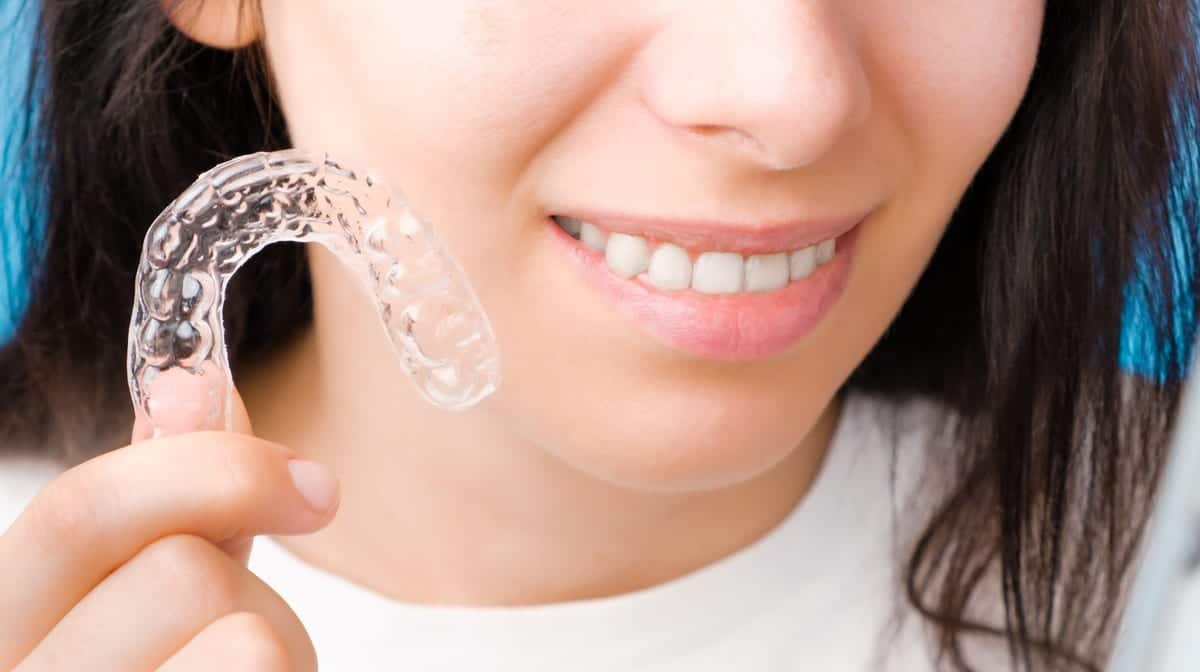
Prevention is the most effective way to avoid the pain and expense of splinting, surgery, or dental implants. To protect your mouth and your child’s mouth, consider using a custom mouthguard.
- Wear a Mouthguard: Consult your dentist for a custom-fitted mouthguard, which offers superior shock absorption compared to generic options.
- Use Proper Headgear: Utilize helmets and faceguards for football, baseball, boxing, cycling, and hockey.
- Prioritize Safety: Recognize that even sports without mandatory mouthguard rules carry significant risks of facial and dental injury. Research published in Sports Health indicates that among college athletes, basketball dental injuries can exceed those suffered by football teams, highlighting the need for protection in non-mandated sports.
Frequently Asked Questions
Why is an alveolar fracture difficult to diagnose?
Research shows that these fractures are often not obvious at a glance. A professional evaluation is necessary to detect displacement that may not be visible to the naked eye.
Why is immediate treatment essential?
If a tooth is knocked out or the bone is displaced, the alveolar bone can quickly begin to reabsorb, causing the socket to close. Seeking care immediately helps prevent long-term misalignment or tooth loss.
What is the typical treatment for this injury?
Treatment may involve stabilizing the area with a dental splint for several weeks. In more severe cases, surgical intervention or dental implants may be required.
Are mouthguards effective for all athletes?
Yes. While football mandates mouthguards, dental professionals recommend them for all contact and high-speed sports to prevent the serious consequences of a broken alveolar bone, as the mouth guard benefits extend to all athletes.