Why Smile Avenue?


Unlocking the Brilliance: Discover How Long Tooth Gems Last and Enhance Your Smile!

Emergency Dental Care
January 22, 2024
by Smile Avenue Family Dentistry
If you’re wondering how long do tooth gems last, the honest answer is: it depends on how they’re attached, where they’re placed, and how your daily habits stress the bond. Some people enjoy a full semester of sparkle, while others notice early loosening after only a few weeks. The good news is that longevity is predictable enough to plan around—especially when dental professionals handle bonding and maintenance.
How Long Do Tooth Gems Last? (Realistic Lifespan by Scenario)
Professional vs DIY: typical wear-time ranges
In most cases, professionally bonded tooth gems last significantly longer than at-home kits. A realistic expectation for professional bonding is about 6 months to 2 years, with many people landing in the 9–15 month range when the gem is placed away from heavy bite forces.
For DIY tooth gem kits, typical retention is much shorter because consumer adhesives and curing setups are less consistent. Many users report few days to 4 weeks of wear, with occasional longer outcomes when the tooth surface is properly prepped and the bond isn’t stressed.
Best-case outliers do happen. Some people report 12–18 months as a common “upper” experience for well-bonded gems, and a smaller number report 2–3+ years—usually when the gem is small, placed in a low-stress area, and the wearer avoids habits that chip or lift the edges.
Real-world longevity snapshots (what people experience)
Longevity isn’t just about the adhesive—it’s also about the gem’s shape and how much of it contacts enamel. A single crystal with a smaller footprint may bond more predictably than a shaped gem (hearts, butterflies, or multi-faceted designs) that can create more edge area and more “catch points” for food and brushing.
Placement stress is another major driver. Gems placed on the front-facing surface of upper incisors or canines often last longer than gems placed closer to the biting edge, where micro-forces from chewing can gradually loosen the bond.
To connect this to real life, many people plan tooth gem placement around a vacation or a semester. If the goal is “through the trip,” a DIY gem might be enough—but if the goal is “through the semester,” professional bonding is usually the safer bet. A practical planning approach is to treat DIY as a short-term accessory and professional bonding as a medium-term commitment.
What “lasts” actually means (retention vs appearance)
When people ask how long do tooth gems last, they often mean “will it stay on?” That’s retention, but appearance changes can happen before the gem fully falls off. Over time, a gem can remain attached while the surface polish dulls, the edges feel less smooth, or the gem shifts slightly.
Retention and appearance are related but not identical. A gem may still be bonded yet develop a rough border that makes it feel “catchy” when brushing or when the tongue passes over it. In those cases, the gem might not be ready to remove, but it may need a quick professional polish or edge sealing.
Replacement vs removal usually depends on symptoms and bond integrity. Your dentist may recommend replacement if the gem is intact but the edge is rough or the gem’s position is noticeably off. Removal is more likely if there’s suspected bond failure, visible gaps, or enamel feels rough or sensitive around the attachment point.
What Tooth Gems Are (and Why That Matters for Longevity)
Types of tooth gems and materials
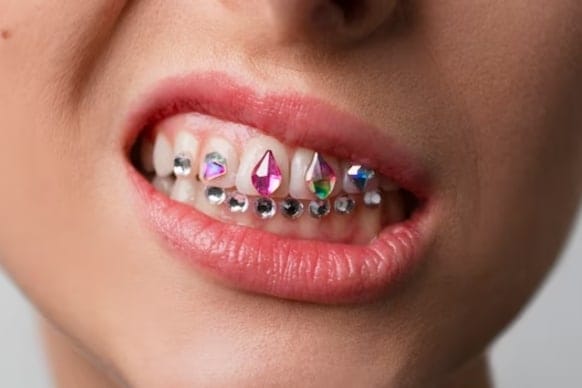
Tooth gems are small decorative crystals, charms, or gemstones attached to the front surface of a tooth using dental adhesive. Common options include Swarovski/Preciosa-style crystals, gold charms, and diamond-like stones (as referenced by many competitors). The “look” is important, but the material’s cut, backing, and contact surface area also influence how well it bonds.
Quality matters because the gem’s surface and backing affect how much stable contact is made with the adhesive layer. A well-cut crystal with a flatter backing can create more uniform bonding. Conversely, a gem with more irregular geometry may bond in a way that leaves tiny stress points at the edges.
Even when two gems look similar, differences in backing thickness and adhesive compatibility can change retention. Dental professionals typically choose gems and systems designed for tooth bonding rather than craft-style stones or household glues.
How they attach to enamel (bonding basics)
Tooth gems are typically attached using a dental-grade adhesive/composite and a curing light, similar in concept to orthodontic bonding. The adhesive must wet the tooth surface and the gem backing so the bond forms evenly. If the adhesive layer is too thin, too thick, or not properly cured, retention can drop dramatically.
Proper surface prep is critical. Enamel bonding relies on controlled cleaning and etching so the adhesive can mechanically and chemically lock into place. Your dentist may also manage moisture control because saliva contamination can interfere with bond strength.
In DIY kits, the process is simplified, which can reduce consistency. Consumer UV/LED lights may not deliver the same intensity or curing time as clinical equipment, and consumer adhesives may not be formulated for the same bonding performance on enamel.
Placement locations that influence wear time
Where a gem is placed affects the forces it experiences every day. Gems on upper incisors and canines can last longer when positioned on the smoother, low-bite portion of the tooth. Gems placed closer to the biting edge tend to experience higher shear forces during chewing.
Contour and edge area also matter. A gem placed on a flatter surface may distribute stress better than one placed on a more curved area where the adhesive layer flexes. Additionally, tongue and lip contact points can influence wear—constant rubbing can gradually dull polish and increase micro-movement.
Your dentist can often map the best spot by checking bite alignment and how the tooth contacts opposing teeth. This is one reason professional placement can outperform DIY even when the gem looks identical.
Why Tooth Gems Fall Off (Causes of Premature Loss)
Adhesive and curing problems
Premature loss is frequently linked to adhesive and curing issues. If the adhesive is weak, improperly applied, or not cured long enough (or with insufficient light intensity), the bond may not reach full strength. In clinical bonding, curing is timed and controlled to reduce this risk.
Improper etching can also reduce retention. If enamel is not adequately prepared, the adhesive may bond superficially rather than securely. Over time, that superficial bond can fail under normal chewing and brushing forces.
DIY kits add additional limitations. Consumer glues may not be designed for enamel bonding durability, and low-powered UV lights may not cure composite adhesives effectively. Even small differences—like curing too far from the light source—can change outcomes.
Mechanical stress from eating and habits
Tooth gems are small, but the forces on teeth are real. Hard or crunchy foods (chips, crusty bread, ice-like textures) can create micro-chipping forces that lift gem edges. Sticky candies can tug at the gem during removal from the tooth surface.
Habits can shorten lifespan quickly. Chewing ice, biting nails, or using teeth to open packages can apply sudden impact forces. Bruxism (grinding/clenching) adds repetitive stress that can loosen bonds even when the gem is not directly on the biting edge.
Small daily behaviors matter too. Tongue and finger picking at the gem can create repeated friction and micro-movement, gradually weakening the adhesive interface. If the gem feels “catchy,” the best response is usually to book a polish rather than to keep testing it with the tongue.
Oral environment factors that weaken bonds
Your mouth’s chemical environment can influence bonding durability. Acidic drinks and snacks—such as soda, energy drinks, lemon water, or frequent citrus—can soften enamel surfaces and increase vulnerability around bonded areas. Frequent exposure can also contribute to surface roughness that makes retention less stable.
Smoking and habitual drinking may also affect oral conditions. While the direct bond failure mechanism varies by person, studies suggest smoking is associated with higher oral inflammation and altered saliva composition, which can indirectly affect how well dental materials stay stable.
Saliva chemistry and enamel condition are part of the picture. If enamel is already compromised (for example, from erosion, heavy wear, or previous bonding issues), the adhesive may not anchor as effectively. Your dentist can evaluate enamel health and advise whether placement is ideal or whether a different cosmetic plan would be safer.
Signs Your Tooth Gem Is Loosening (and When to Act)
Early warning signs
Early loosening often shows up as a change in how the gem feels. A common sign is a catchy sensation when brushing or when the tongue passes over the gem. You may also notice a rough edge, slight movement, or a visible gap between the gem and enamel.
Sensitivity can be another clue. If the tooth becomes more sensitive to cold, air, or sweet foods, it may indicate that the bond is compromised or that the enamel surface is being irritated. Food trapping around the gem is also common when the seal is breaking down.
Visually, look for changes in alignment or polish. A gem that looks slightly tilted or duller than before may still be attached, but it’s often time for a professional check to prevent further loosening.
When it’s time to replace vs remove
Replacement is usually considered when the gem is still attached but the experience is no longer ideal. For example, if the gem is intact yet the edge feels rough, your dentist may recommend replacing it with a fresh bond or performing an edge polish/seal depending on the situation.
Removal is more likely when bond failure is suspected or enamel feels rough/sensitive. If there’s a visible gap, persistent sensitivity, or the gem is moving more than a tiny amount, leaving it in place can increase the chance of enamel irritation or debris accumulation.
A helpful rule of thumb is symptom-based. If the gem is comfortable, secure, and easy to clean, maintenance may be enough. If cleaning becomes difficult, sensitivity appears, or the gem feels unstable, your dentist may recommend removal and aftercare.
What to do if your gem falls off
If a tooth gem falls off, it’s best not to panic. In many cases, properly bonded gems do not damage enamel, but the attachment site may need smoothing if adhesive residue remains. Your dentist can assess whether enamel is intact and whether any roughness needs polishing.
Don’t glue it back yourself. DIY reattachment increases the risk of uneven bonding, trapped residue, and enamel irritation. It can also make professional assessment harder because leftover adhesive can interfere with new bonding.
Schedule a dental pro check/polish. A quick visit can confirm whether the gem fell due to normal wear or a bond failure, and it can determine whether a re-bond is appropriate or whether removal and enamel smoothing are needed first.
Are Tooth Gems Safe? Risks That Affect Longevity and Enamel
Enamel damage concerns (what can go wrong)
Tooth gems are generally considered safe when applied correctly by qualified professionals using dental-grade materials. The main enamel risks occur with improper removal, forced detachment, or DIY application that doesn’t follow enamel bonding principles. Forced removal can scrape enamel or leave rough spots.
DIY attempts can also increase risk. Craft-style adhesives or glues not designed for enamel may not bond properly and can require more aggressive cleaning later. If removal involves scraping or drilling without proper technique, enamel surface integrity can be affected.
Your dentist may recommend a professional removal approach if a gem is loose or if there’s sensitivity. Professional removal typically aims to preserve enamel and smooth the surface so it “feels like it was never there,” while leaving the tooth ready for future cosmetic bonding if desired.
Plaque, staining, and sensitivity risks
Plaque accumulation is a real concern when edges are rough or when cleaning is difficult. If a gem’s seal breaks down, food and plaque can collect around the attachment area, increasing the chance of irritation and discoloration. This doesn’t mean tooth gems automatically cause cavities, but it does mean hygiene technique matters.
Staining can occur under or around the gem if the adhesive interface becomes porous or if debris collects. Over time, the gem may look less bright even if it remains attached. Sensitivity may also develop if the bond weakens and enamel becomes exposed to irritants.
These risks are often preventable with good cleaning and timely maintenance. If the gem ever feels rough or moves, booking a polish early can reduce the chance that plaque and staining get a foothold.
Safety when applied by qualified professionals
When tooth gems are placed by a qualified dental team, the process typically uses dental-grade adhesive/composite and controlled curing. This improves bond strength and reduces the likelihood of premature loosening. It also supports a cleaner, more predictable finish at the edges.
Professional bonding also includes finishing steps that reduce “catchy” roughness. Edge sealing and polishing help the gem feel smooth against the tongue and lips, which can reduce irritation and discourage picking. A smoother edge also makes brushing and flossing easier.
For removal, many dental teams use a controlled “pop off and polish away excess material” approach. Aftercare then focuses on checking enamel integrity and smoothing any residue so the tooth surface is comfortable and clean.
How to Make Tooth Gems Last Longer (Day-1 to Long-Term Care)
The first 24–48 hours (protect the bond)
The first day is when the bond is most vulnerable to disruption. For the first 24–48 hours, avoid hard bites and hot/sticky foods that could stress the adhesive interface. Gentle eating helps the bond settle and reduces the chance of micro-lifting.
Choose softer foods and chew carefully on the opposite side if possible. Avoid biting directly into crunchy items or using the gem tooth to tear food. If the gem is on an upper front tooth, be mindful when biting sandwiches, apples, or crusty bread.
Also avoid testing the gem with your tongue. Constant tapping or pressing can create friction before the adhesive reaches full stability in your daily environment.
Brushing and flossing techniques that preserve retention
Cleaning is essential, but technique matters. Use a soft-bristle toothbrush and brush gently around the gem area. Avoid aggressive scrubbing directly on the gem, especially along the edges where the adhesive interface is most sensitive.
Flossing should be gentle and deliberate. If floss snags, don’t yank—adjust the angle and use a careful “slide” motion. Snagging can loosen the gem or create tiny edge lifts that later become larger gaps.
Some people benefit from paying extra attention to the border where the gem meets enamel. If plaque builds up there, it can dull the gem and increase the risk of irritation. A consistent routine often protects both appearance and retention.
Lifestyle habits that extend wear time
Small habit changes can make a noticeable difference in how long tooth gems last. Avoid ice/ice-like chewing, nail biting, and opening packages with teeth. These actions apply sudden impact forces that can chip or lift gem edges.
If grinding or clenching is suspected, a nightguard may be recommended by your dentist. Bruxism can be subtle, and even mild nighttime forces can shorten retention over months. Protecting the tooth overall helps the gem bond stay stable.
Rinse after sticky or acidic snacks when possible. While rinsing doesn’t replace brushing, it can reduce the time your enamel spends in an acidic environment. For long-term wear, the goal is to keep both the tooth surface and the adhesive interface as stable as possible.
Professional Longevity & Maintenance Plan (What a Dental Team Can Do)
Surface prep, etching, bonding, and curing protocol (high-level)
Professional longevity starts with the basics: clean, dry tooth surface; appropriate etching; dental-grade adhesive; and curing under controlled light. High-quality bonding depends on moisture control and correct adhesive placement so the bond forms evenly across the gem backing.
At a high level, the process typically includes removing surface debris, etching enamel for bonding readiness, applying adhesive/composite, placing the gem accurately, and curing with a light that matches the material’s requirements. Proper curing is one of the biggest predictors of long-term retention.
Finishing steps matter too. Your dental team may seal and polish the edges to reduce roughness that can catch food or irritate the tongue. This finishing stage can be the difference between “still attached but annoying” and “comfortable enough to forget it’s there.”
Maintenance visits: polish vs re-bond vs replacement
Maintenance is often simpler than people expect. If the gem feels rough or “catchy,” a quick polish may smooth the edge and restore comfort. This can extend wear by preventing plaque accumulation and reducing micro-movement.
If the gem is still present but the bond seems weakened, re-bonding may be recommended. Your dentist may remove the gem, clean the tooth surface, and reapply with fresh materials to restore a stronger seal. Re-bonding is usually more successful when done early—before the enamel surface becomes irritated.
Replacement becomes more likely when the gem is damaged, the position is off, or there’s repeated loosening. In those cases, a new gem and bond can improve both appearance and retention.
Removal process and aftercare
Professional removal typically aims to preserve enamel and minimize surface roughness. Many dental teams use a controlled approach to remove the gem and then polish away excess material or residue. This helps the tooth feel smooth and reduces the risk of irritation.
After removal, your dentist may check for any enamel roughness or sensitivity and provide aftercare guidance. If the enamel surface needs additional smoothing, this can be done so the tooth is comfortable and clean.
If future gem placement is desired, aftercare also helps determine the best timing. Your dental team may recommend waiting until the tooth surface is fully comfortable and stable before re-bonding.
Tooth Gems With Special Dental Situations (Who Should Be Cautious)
Veneers, crowns, and false teeth
Tooth gems can sometimes be placed on veneers or crowns, but the process requires higher skill and specialized materials. These restorations are made from different materials than natural enamel, and bonding behavior can differ. Your dentist may need to evaluate the surface and choose an approach that won’t compromise the restoration.
Retention may be less predictable on certain surfaces. For example, if a veneer margin is near the gem placement area, micro-stress could affect the bond or create a risk of edge lift. Setting expectations early helps avoid disappointment.
If a gem is desired on a crown or veneer, a consultation is important. Your dental team can assess whether the surface is suitable and whether the gem’s placement location is low-stress enough for comfortable wear.
Whitening and other cosmetic treatments
Whitening is usually recommended before gem placement. The area under the gem may not change during whitening, meaning the surrounding tooth can become lighter while the gem area stays closer to its original shade. This can create a subtle contrast that becomes noticeable in photos.
Some people ask about same-appointment whitening. In certain cases, your dentist may coordinate timing so the tooth shade matches the desired look before bonding. However, the safest approach is to plan whitening first unless your dental team confirms a compatible plan.
Other cosmetic treatments—like bonding or contouring—may also affect gem placement decisions. If the tooth surface is being reshaped, placing the gem afterward can ensure better fit and bonding readiness.
Retainers and aligners (Invisalign/clear trays)
Retainers and aligners can influence how long tooth gems last because they may rub against the gem. Wire retainers are often possible with planning, especially if the gem is placed on a tooth that doesn’t create excessive contact. Your dentist can help confirm clearance and comfort.
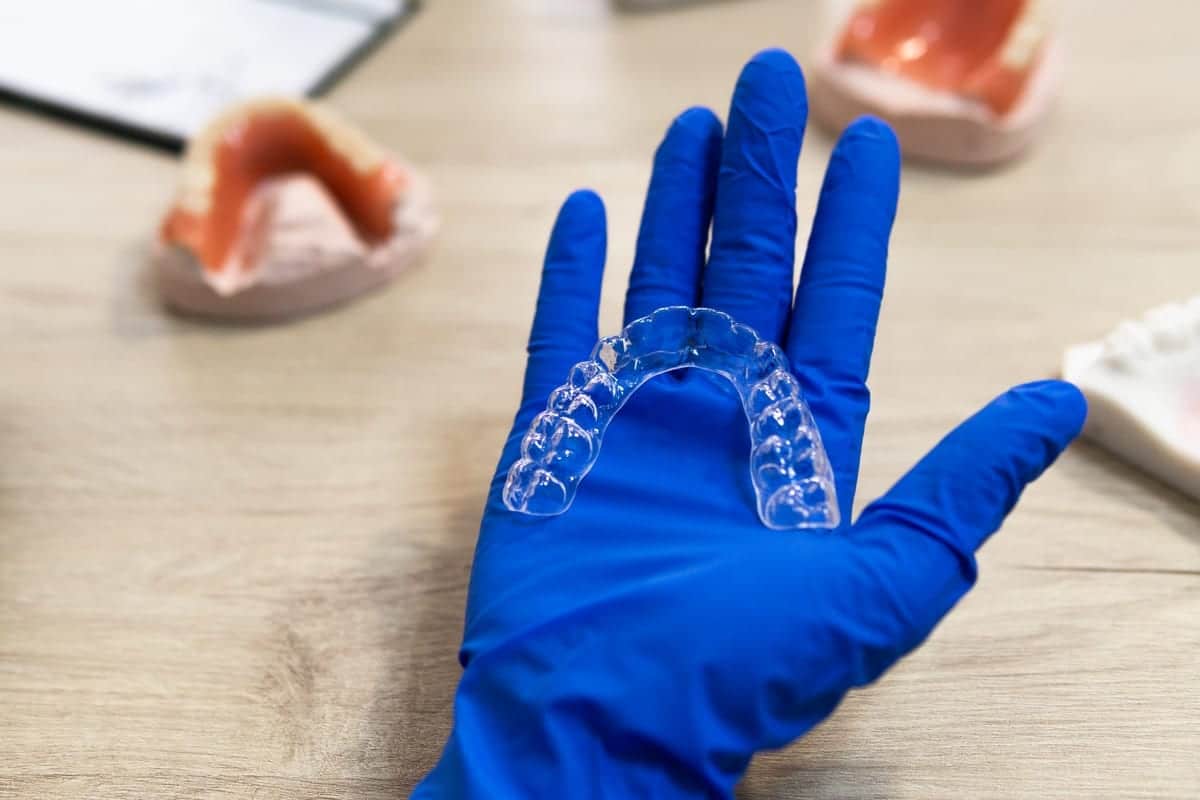
Clear plastic trays can be trickier. If the gem protrudes slightly, the tray may not seat properly, which can increase pressure on the gem or cause discomfort. In some cases, the tray may need adjustment or re-molding.
Before placement, discuss your orthodontic plan with your dental team. Confirming retainer/aligner fit can prevent early loosening and reduce the chance of gem edge irritation.
Comparison: Tooth Gem Lifespan by Application Method and Placement
Table: expected wear-time ranges (professional vs DIY vs high-stress)
The ranges below reflect typical experiences reported by wearers and the practical differences between clinical bonding and at-home kits. Individual results vary, especially based on gem size, placement location, and daily habits.
| Scenario | Typical wear time | Best-case outliers | Most common reason for shorter wear |
|---|---|---|---|
| Professional single crystal (low-stress placement) | 6–12+ months | 12–18 months common; some 2+ years | Minor edge roughness or occasional high-stress biting |
| Professional shaped gems (heart/butterfly; more edge area) | 4–10 months | Up to ~12 months with excellent care | Food trapping at contours or tongue contact points |
| DIY kit (home application) | 3–6 months or few days–4 weeks | Occasionally a few months longer | Weaker adhesive, inconsistent prep, insufficient curing |
| High-stress placement (near biting edge) | 1–4 months | Sometimes longer if bite forces are minimal | Chewing forces, micro-chipping, and shear stress |
Table: what most affects retention (ranked factors)
Retention is influenced by multiple variables, but some are more controllable than others. The ranking below can help you focus on the factors that you can actually change.
| Rank | Factor | Why it matters | Most controllable? |
|---|---|---|---|
| 1 | Adhesive quality & curing | Determines bond strength and seal integrity | Yes (choose professional bonding) |
| 2 | Placement location | Low-stress areas reduce shear forces | Yes (ask for low-bite positioning) |
| 3 | Oral habits | Ice/nail biting and picking can lift edges | Yes (avoid stress behaviors) |
| 4 | Brushing/flossing technique | Gentle cleaning preserves the seal | Yes (use soft bristles and gentle flossing) |
| 5 | Enamel condition | Eroded or compromised enamel bonds less reliably | Partly (your dentist can assess and advise) |
Quick decision guide: what to choose based on your timeline
If the goal is short-term sparkle, the decision should match the timeline. For a vacation or short event, a DIY kit may be tempting, but it carries higher variability and a higher chance of early loosening.
For a semester or a longer social season, professional application is usually the better match. Professional bonding typically provides the most predictable retention—often in the 6 months to 2 years window depending on placement and care.
For the longest-term look, choose professional bonding and request low-stress placement away from the biting edge. Your dental team can also recommend maintenance timing so the gem stays comfortable and visually appealing.
Frequently Asked Questions
How long do tooth gems last on average?
On average, professionally bonded tooth gems last about 6 months to 2 years, depending on placement and daily habits. DIY tooth gems typically last few days to 4 weeks for many users, though some may reach a few months. Best-case outcomes can extend to 12–18 months or longer with excellent care and low-stress placement.
Do tooth gems last longer if they’re applied professionally?
Yes. Professional bonding generally lasts longer because dental-grade adhesives, proper enamel prep, and controlled curing create a stronger, more reliable seal. Your dentist can also polish and edge-seal the gem to reduce roughness that can catch food and loosen the bond.
What ruins tooth gems the fastest?
The fastest failures usually come from high mechanical stress and weak bonding. Hard or crunchy foods, sticky candies, chewing ice/nails, and aggressive brushing can all stress the attachment. Insufficient curing, improper etching, and DIY adhesives that aren’t designed for enamel bonding can also cause early loosening.
Are tooth gems safe for enamel?
Tooth gems are generally safe when applied correctly by a qualified professional using dental-grade materials and proper bonding technique. Risks increase with improper removal, forced detachment, or DIY application that leaves rough residue or compromises the enamel surface. If sensitivity or roughness develops, your dentist may recommend removal and polishing.
What if my tooth gem falls off—will it damage my tooth?
Usually, a properly bonded tooth gem does not damage enamel when it falls off naturally. However, adhesive residue or minor surface roughness can remain, and that’s why a professional check is helpful. Don’t re-glue it yourself—schedule a dental visit to assess and polish if needed.
Can I brush and floss normally with tooth gems?
Yes, but technique matters. Use a soft-bristle toothbrush and brush gently around the gem, avoiding aggressive scrubbing directly on the edges. Floss gently and don’t yank if floss catches; adjusting the angle helps prevent loosening.
Can I whiten my teeth if I have tooth gems?
Whitening is usually recommended before gem placement. If whitening is done after bonding, the area under the gem may not lighten, which can create a shade mismatch. Your dental team can help plan timing so the final look is consistent.
Can I wear Invisalign or a retainer with tooth gems?
It depends on the retainer type and how much clearance exists around the gem. Wire retainers may work with planning, but clear plastic trays can sometimes rub or prevent proper seating. Confirm fit with your dental team before placement to reduce the chance of irritation or early loosening.
If the sparkle timeline matters—whether it’s a vacation, photoshoot, or semester—scheduling a consultation is the best way to get realistic expectations for how long do tooth gems last in your specific case. A dental professional can evaluate enamel health, recommend the most durable placement location, and outline a maintenance plan so your gem stays comfortable and secure.