Why Smile Avenue?


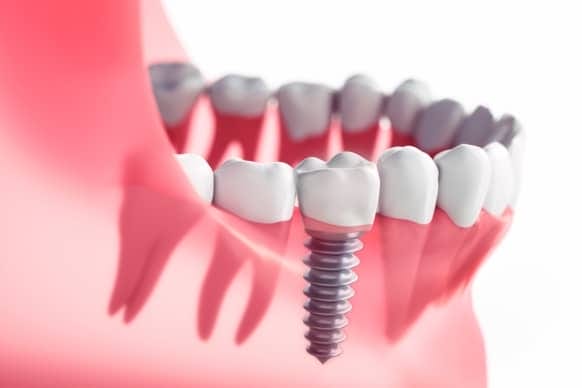
What Does a Tooth Implant Look Like? Unveiling the Aesthetics and Functionality of Dental Implants

Emergency Dental Care
January 22, 2024
by Smile Avenue Family Dentistry
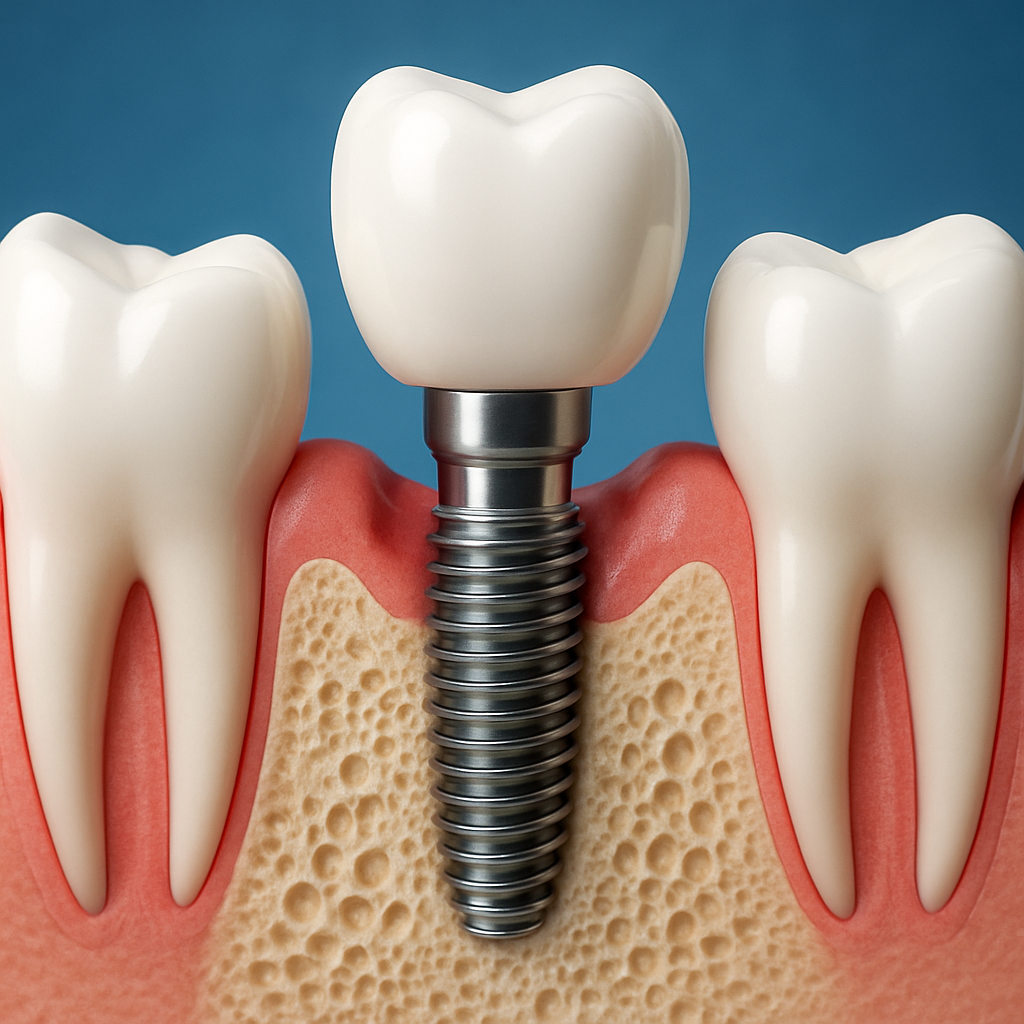
Components of a Tooth Implant and Their Contribution to Appearance
Titanium Implant Post
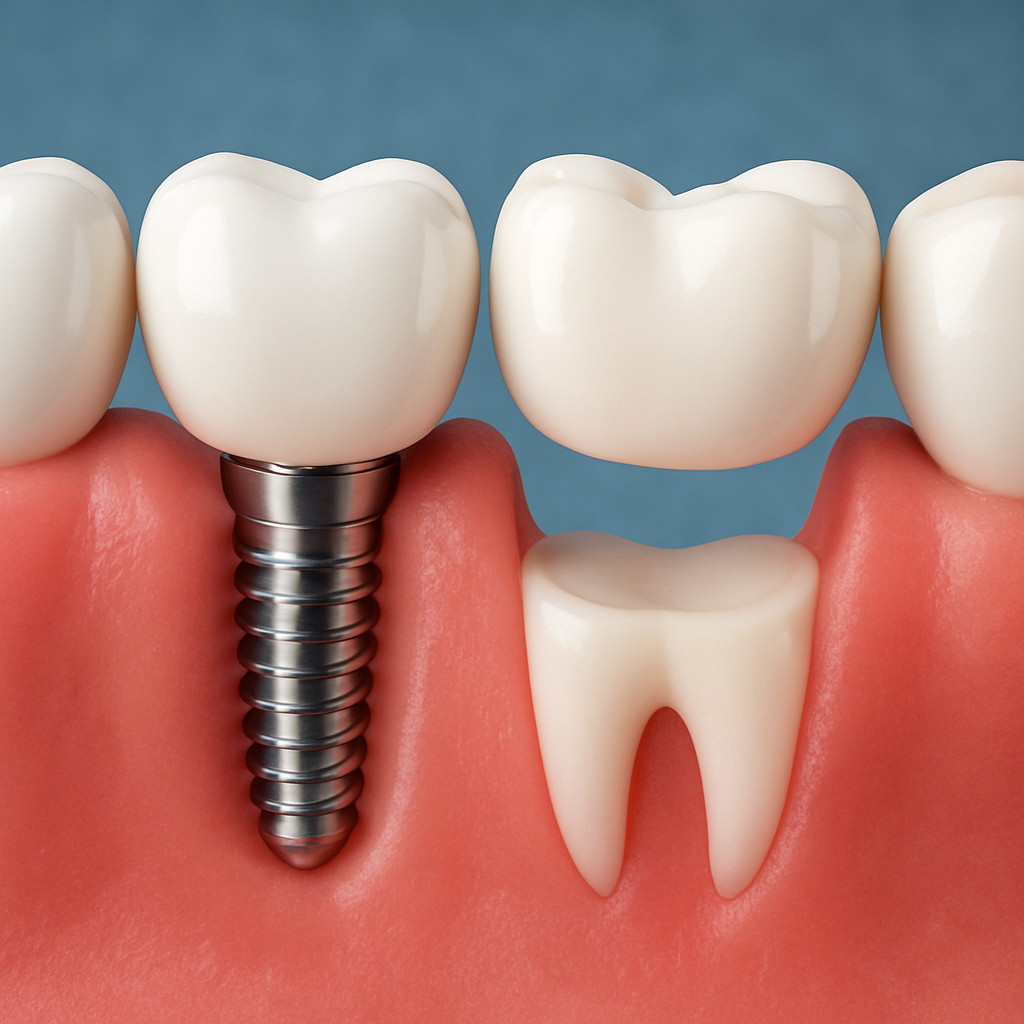
The titanium implant post is the foundation of a tooth implant. It is surgically placed into the jawbone, where it fuses with the surrounding bone over time through a process called osseointegration. This post serves as a replacement for the natural tooth root and provides stability for the entire implant. In terms of appearance, the titanium post is not visible once the prosthetic tooth is attached. However, its presence ensures that the implant looks and functions like a natural tooth.
Abutment
The abutment connects the titanium implant post to the prosthetic tooth or crown. It is typically made of metal or ceramic and acts as a connector between these two components. The abutment plays an essential role in determining the final appearance of the tooth implant. Its shape and placement influence how well the prosthetic tooth blends with the surrounding teeth in terms of alignment, contour, and gum line.
Prosthetic Tooth/Crown
The prosthetic tooth or crown is the visible part of a tooth implant that resembles a natural tooth. It is custom-made to match your existing teeth in size, shape, color, and texture. The material used for the prosthetic tooth can vary depending on your preferences and budget. Common options include porcelain fused to metal (PFM), all-ceramic, or zirconia crowns. The choice of material impacts both aesthetics and durability.
Differences in Appearance Between a Tooth Implant and Natural Tooth
A dental implant can closely mimic the appearance of a natural tooth but may have some subtle differences:
Gum Line
One noticeable difference between a dental implant and a natural tooth lies in their interaction with gum tissue. While a natural tooth emerges from the gum line, a dental implant has an abutment that connects to the prosthetic tooth above the gum line. This slight variation may be noticeable upon close inspection but is often indistinguishable during regular interactions.
Translucency
Natural teeth have varying degrees of translucency, allowing light to pass through them and create a lifelike appearance. Dental implants, especially those with all-ceramic or zirconia crowns, can also exhibit translucency to some extent. However, achieving an exact match in translucency may be challenging, as it depends on factors such as the material used and individual variations in natural teeth.
Gingival Contour
The contour of the gums around a dental implant may differ slightly from that around natural teeth. The placement of the implant post and abutment can affect how the gums appear around the prosthetic tooth. Skilled implant dentists take great care in shaping and positioning these components to ensure a seamless blend between the implant and surrounding tissues.
Describing the Seamless Blend of Shape, Color, and Texture in a Tooth Implant
A well-executed tooth implant should seamlessly blend with your natural teeth in terms of shape, color, and texture:
Shape
The shape of a dental implant should match that of adjacent teeth to maintain harmony within your smile. This includes considerations for tooth size, height, width, and overall contour. A skilled dentist will carefully assess your existing teeth before designing and placing an implant crown that mimics their shape.
Color
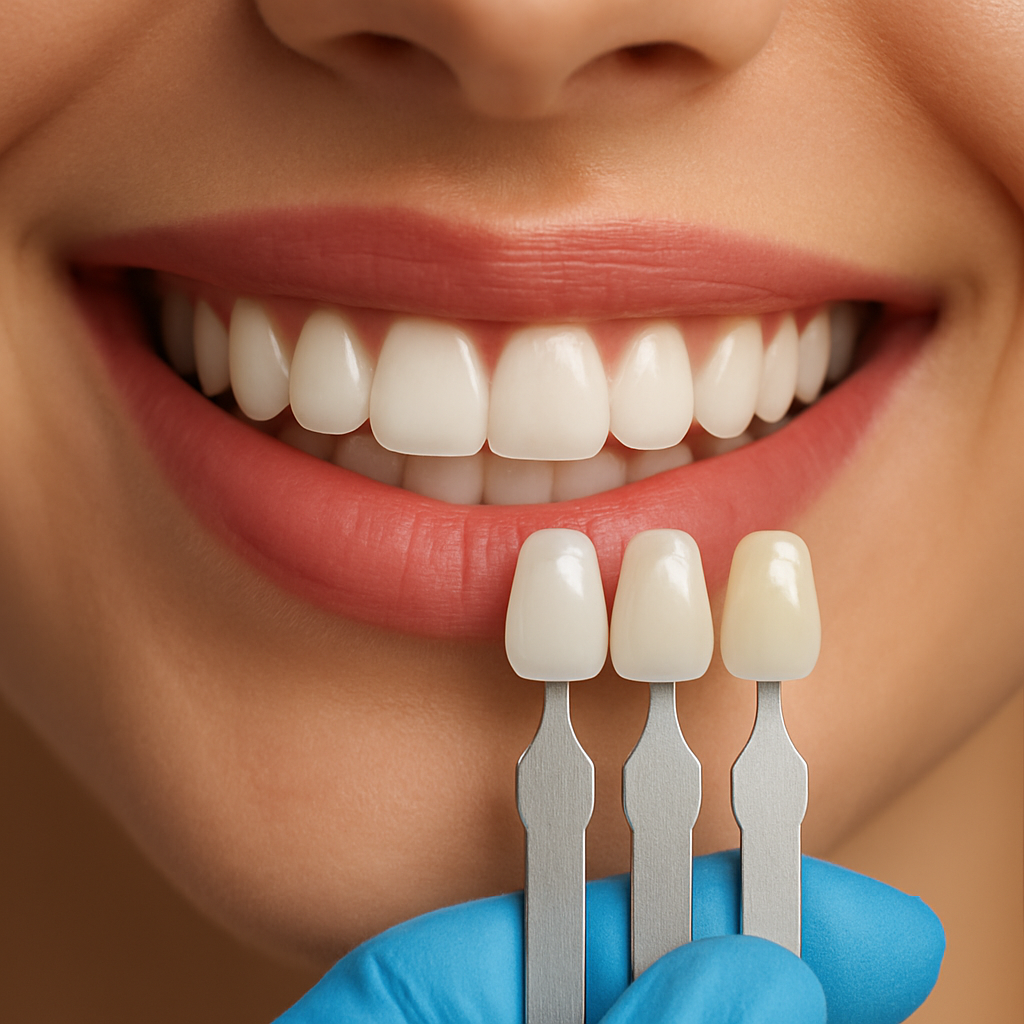
Matching the color of a dental implant to your natural teeth is crucial for achieving a seamless blend. Dentists use shade guides to select an appropriate color for the prosthetic tooth or crown. They consider factors such as tooth color, translucency, and any variations in shade within your natural teeth. Custom staining and layering techniques may be employed to create a natural-looking color gradient.
Texture
The texture of a dental implant should closely resemble that of natural teeth, including the presence of fine ridges, grooves, and irregularities. This texture helps the implant blend with neighboring teeth when viewed up close or touched by the tongue. Dental technicians can replicate the texture using advanced ceramic or porcelain materials and skilled handcrafting techniques.
Variations in Appearance Among Different Types of Tooth Implants
While most tooth implants aim for a natural appearance, there can be slight variations depending on the type:
All-Ceramic Implants
All-ceramic implants have gained popularity due to their excellent aesthetics. These implants are made entirely of ceramic material, including the implant post and crown. Their translucent properties allow them to closely mimic the appearance of natural teeth, making them an ideal choice for individuals concerned about aesthetics.
Porcelain Fused to Metal (PFM) Implants
PFM implants consist of a metal substructure covered with a layer of tooth-colored porcelain. While they offer durability and strength due to the metal base, some individuals may find it challenging to achieve an exact match in color between the metal and porcelain components. However, advancements in dental technology have improved the aesthetics of PFM implants over time.
Zirconia Implants
Zirconia implants are known for their high strength and biocompatibility. They are made from zirconium oxide ceramic material, which closely resembles natural tooth enamel in terms of color and translucency. Zirconia implants offer excellent aesthetic results while providing optimal functional outcomes.
Aesthetic Factors to Consider When Choosing a Matching Tooth Implant
When selecting a tooth implant that matches your natural teeth, consider the following aesthetic factors:
Tooth Color and Shade
Choose an implant crown color that matches the shade of your existing teeth. Your dentist can guide you in selecting the appropriate color using shade guides or digital imaging technology. Consider any variations in color within your natural teeth and communicate your preferences clearly to achieve a harmonious blend.
Gum Line Alignment
Ensure that the implant crown aligns with the gum line of adjacent teeth. The contour and height of the gums around the implant should match those around natural teeth for a seamless appearance. Skilled dentists carefully shape and position the abutment and prosthetic tooth to achieve optimal gum line alignment.
Proportions and Shape
Consider the size, height, width, and overall shape of neighboring teeth when choosing an implant crown. Maintaining proportional relationships between teeth is essential for achieving a balanced smile. Your dentist will evaluate these factors during treatment planning to ensure optimal aesthetic outcomes.
Translucency and Texture
Discuss with your dentist how closely you want the implant crown to resemble natural teeth in terms of translucency and texture. Factors like material selection, layering techniques, and surface texture can influence these characteristics. Clear communication about your expectations will help your dentist create a customized solution that meets your aesthetic goals.
By considering these factors and working closely with an experienced dental professional, you can achieve a tooth implant that seamlessly blends with your natural teeth, enhancing both appearance and confidence.
In conclusion, a tooth implant resembles a natural tooth in appearance and function, seamlessly blending with the surrounding teeth for a natural-looking smile.
Do dental implants look like real teeth?
Individuals who have missing teeth are informed about the advantages of opting for dental implants. One of the most appealing advantages is that they have the same appearance and sensation as a natural tooth, which is precisely what individuals desire when they need to replace one or more teeth.
How long does a tooth implant take to fit?
The typical timeframe for receiving a dental implant is typically four to nine months, although this can vary based on your specific treatment plan. If you are considering getting a dental implant, it is crucial to educate yourself and consult with your dentist to determine if implant placement is appropriate for your needs.
Are implants screwed in?
In implant dentistry, an abutment is attached to the dental implant using screws, and then a crown is placed on top of the abutment using cement. This design involves two connection points: one between the abutment and the implant, and another between the crown and the abutment.
Can a tooth be pulled and implant the same day?
If your gums are healthy and you have enough bone density in your jaw, it is possible to have a dental implant placed immediately after a tooth extraction. Your dentist can insert a titanium post into your jaw as soon as the tooth is removed. This procedure can be done without any significant delay.
What is the most painful part of a tooth implant?
Pain in the gum around the implant site is often caused by bruising, particularly when brushing near the implant site. In addition to pain and gum bruising, there are other discomforts to anticipate after undergoing a dental implant procedure, such as discomfort in the cheeks, chin, and under the eyes.
Can I have 2 implants next to each other?
Multiple dental implants can be placed next to each other to support multiple crowns. Instead of relying on natural teeth, an implant-supported bridge functions similarly to a traditional dental bridge but is supported by implants.