
Emergency Dental Care
March 20, 2026
by smileavenu2dev
If your teeth feel fragile, chip easily, or fracture under normal pressure, you are likely dealing with brittle teeth. While tooth enamel is the hardest substance in the human body, it can weaken over time due to lifestyle habits, nutritional gaps, or underlying medical conditions. Because enamel cannot regenerate, understanding how to repair enamel or mitigate further loss through professional care is essential to preserving your smile.
What Causes Teeth to Become Brittle?
Several factors can compromise the structural integrity of your enamel:
- Poor Oral Hygiene: Inadequate brushing can destroy the tooth pulp, while overbrushing can erode enamel. Furthermore, a lack of fluoride—which defends teeth against decay—leaves enamel vulnerable. Clinical note: Brushing too aggressively with a hard-bristled brush is a common cause of cervical abrasion, which can weaken the tooth structure near the gumline.
- Acidic Exposure: Frequent consumption of sugary foods and beverages, especially a soda pop habit, can damage teeth. Additionally, conditions like GERD and severe morning sickness introduce acids that erode enamel.
- Bruxism: Chronic grinding or clenching wears down the enamel surface, leaving teeth vulnerable to fractures. Risk indicator: If you wake up with jaw soreness or a dull headache, you may be grinding your teeth at night without realizing it.
- Nutritional Deficiencies: A lack of essential vitamins and minerals prevents your body from maintaining strong, mineralized teeth. Research indicates that vitamin A deficiency can directly contribute to tooth brittleness, while vitamin D is essential for the absorption of calcium and phosphorus.
- Dry Mouth: Saliva is vital for neutralizing acids and cleaning the mouth. Reduced saliva production increases the risk of decay and brittleness.
- Aging: As you age, the pulp inside the tooth shrinks and the enamel naturally thins, making teeth more prone to breakage.
- Genetic Conditions: Disorders like Dentinogenesis Imperfecta can cause teeth to form incorrectly, leading to the teeth becoming discolored and potentially weaker, resulting in fracturing.
Professional Treatments for Brittle Teeth
If you suspect your teeth are becoming brittle, consult your dentist for a professional evaluation. Common treatments for structural damage or abfraction lesions include:
- Fluoride Therapy: Use of fluoride supplements and fluoride gels to help remineralize and harden the enamel.
- Dental Sealants: Protective coatings applied to the chewing surfaces to guard against decay and fractures.
- Veneers: Thin shells that cover the teeth to help prevent breakage and improve aesthetics.
- Crowns: Thicker, strong coverings for teeth to help prevent cavities and breaks, especially after a root canal procedure. Clinical distinction: A crown is often recommended for teeth that have lost more than 50% of their original structure to ensure long-term durability.
How to Protect Your Teeth
- Seek Professional Help: Ask your dentist about veneers or crowns to cover up existing damage. Treat causes affecting your sleep and eating behaviors with relaxation techniques, behavior therapy, or psychotherapy, and consult your doctor for guidance.
- Manage Acidic Conditions: Seek medical attention for conditions that produce acid reflux or excessive vomiting.
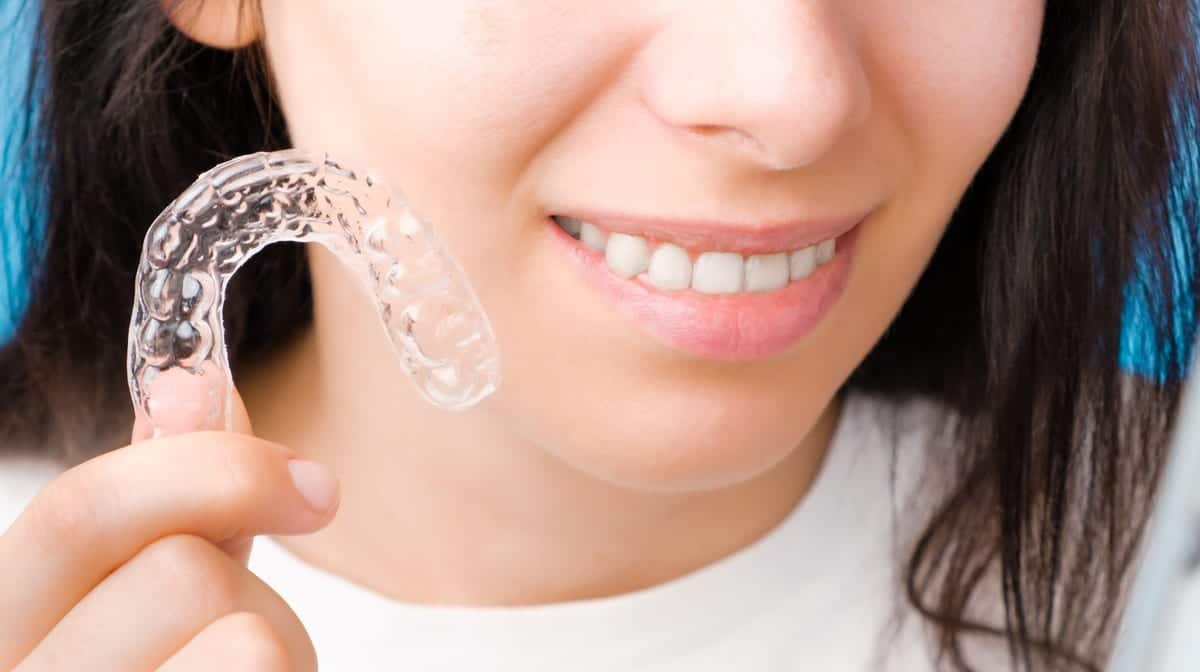
- Reduce Wear: Use a mouthguard to wear at night to reduce the wear and tear on your teeth.
- Adopt a Gentle Routine: Brush twice daily with fluoride toothpaste using a soft-bristled toothbrush.
- Dietary Adjustments: Focus on calcium-rich foods and minimize sugary or acidic beverages.
Frequently Asked Questions
Can I reverse brittle teeth at home?
No. Once enamel is lost, it does not grow back. While you can improve your oral hygiene to prevent further damage, you must see a dentist to understand if can tooth enamel be restored or if you need to treat tooth decay stages, existing fractures, or structural weaknesses.
Are brittle teeth always a sign of a health issue?
Not always, but they can be. While often caused by diet or habits, brittle teeth can sometimes indicate underlying conditions like GERD, eating disorders, or genetic issues.
How do I know if I need a crown?
Your dentist will recommend a crown if a tooth is too damaged or brittle to be repaired with a simple filling. This is common after a root canal procedure or when there is extensive cracking.