
Emergency Dental Care
March 26, 2026
by smileavenu2dev
You may brush and floss diligently, but do you know which daily habits that damage teeth? Even with a solid routine, certain unconscious behaviors can lead to enamel erosion, gum disease, and structural damage. The American Dental Association (ADA) and other health experts emphasize that identifying these risks is essential for maintaining a healthy, long-lasting smile. If you are looking for resources to help patients achieve a healthier future, understanding these common pitfalls is the first step.
11 Common Habits That Damage Teeth
- Brushing Too Hard: The ADA warns that using a hard-bristled toothbrush or scrubbing aggressively can damage your gums and teeth. Always use a soft-bristled brush and gentle, wide strokes to prevent gingival recession and enamel abrasion. Clinical note: Over-brushing can lead to sensitive teeth by wearing away the protective enamel layer.
- Biting Your Nails: This habit can chip teeth and cause jaw dysfunction by keeping your jaw in a protruded position. Consider the potential for long-term jaw pain as an incentive to stop.
- Chewing Ice: After finishing a cool, refreshing drink, do you absentmindedly chomp on the remaining ice cubes? If you don’t want to risk a broken tooth or damaged filling, the ADA recommends drinking through a straw or taking your drinks without ice to help kick the habit.
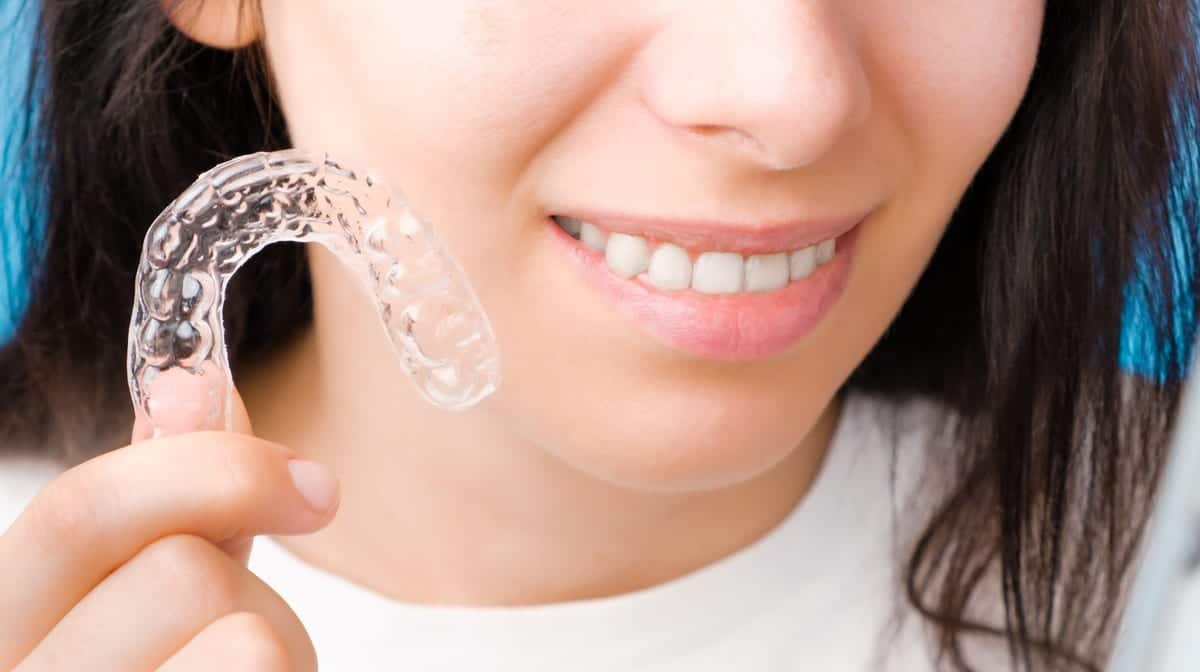
- Clenching and Grinding: Often a subconscious habit, this can result in damaged teeth, muscle pain, and restricted jaw movement. The ADA recommends relaxation exercises, a nighttime mouth guard, and increased awareness to help prevent this harmful habit. Red flag: Waking up with a dull headache or jaw soreness is a common indicator of nocturnal bruxism.
- Using Tobacco: Tobacco products increase the risk of gum disease, tooth decay, and oral cancer. Consult your physician for cessation programs.
- Thumb Sucking: For children over 5, this habit can lead to permanent misalignment. As the child grows older, this misalignment can lead to serious dental problems. Consult a pediatrician or pediatric dentist for weaning advice.
- Using Non-Dental Implements: Poking at food debris with toothpicks can cause infected, damaged gums, according to the Mayo Clinic. Use floss or an ADA-approved cleaning tool instead.
- Using Teeth as Tools: Never use your teeth to open packages or hold objects; this risks cracked teeth and jaw injury.
- Sipping Carbonated Drinks: The University of Rochester Medical Center warns that soda leads to eroded enamel. Switch to water, milk, or tea to protect your teeth. Clinical note: The acidity in carbonated drinks can soften enamel, making teeth more susceptible to wear.
- Frequent Snacking: The ADA notes that high-sugar snacks feed decay-causing bacteria. Eat balanced meals so you are less hungry between meals, and drink water after consuming sugary items.
- Avoiding Preventive Care: Skipping dental checkups allows minor issues to escalate. Prioritize your regular appointments to catch early signs of decay or periodontal disease.
Frequently Asked Questions
How can I stop clenching my teeth?
The ADA suggests practicing relaxation techniques and wearing a nighttime mouth guard to protect your teeth from the pressure of grinding.
Why are toothpicks considered harmful?
According to the Mayo Clinic, using toothpicks or non-dental items to remove food can damage your gum tissue and introduce infections.
What should I do if my child still sucks their thumb?
If your child is 5 or older, consult their pediatrician or a pediatric dentist for professional guidance on breaking the habit to prevent long-term dental misalignment.
How does soda damage teeth?
Carbonated soft drinks are acidic and sugary, which can lead to the erosion of your protective tooth enamel over time.