
Emergency Dental Care
March 27, 2026
by smileavenu2dev
Dental implants are a highly effective, long-term solution for missing teeth, boasting a success rate of approximately 95%. While they are a durable, high-tech replacement for natural roots, complications can occasionally occur. If you experience persistent pain, unusual swelling, or a loose implant, you should contact your dental professional immediately to check for signs of a failed dental implant.
Common Dental Implant Complications
While most implants integrate successfully with the jawbone, certain factors can lead to issues. Potential complications include:
- Infection (Peri-implantitis): Bacterial buildup around the implant site that can lead to inflammation and bone loss.
- Mechanical Wear: Fractured or broken teeth, or excessive tooth wear from grinding (bruxism).
- Tissue or Nerve Damage: Injury to surrounding blood vessels, teeth, or other tissue, or nerve damage leading to pain, numbness, or a tingling sensation.
- Sinus Issues: Complications involving the sinuses when implants are placed in the upper jaw, often due to proximity to the sinus floor.
Risk Factors for Implant Failure
Your risk for complications may be increased if you:
- Are in poor health, regardless of age.
- Smoke or use tobacco products, which significantly impairs blood flow and healing.
- Have diabetes, leukemia, or other chronic illness.
- Received radiation therapy in the past.
- Do not follow the aftercare instructions by your dental professional carefully.
- Do not take medications as prescribed.
Managing Discomfort After Surgery
If you are in the healing phase and experiencing minor discomfort, consider these steps to manage symptoms while you wait for your professional appointment, though you should seek immediate care if you experience severe pain after implant placement.
- Cold Therapy: Apply an ice pack to the outside of your cheek for 20 minutes, three times daily.
- Gentle Rinsing: Use an antibacterial mouthrinse or a mixture of 3% hydrogen peroxide and water.
- Dietary Adjustments: Avoid hard, sticky, or chewy foods that may irritate the surgical site.
- Medication: Take over-the-counter pain relief as directed on the packaging.
Checklist: Protecting Your Dental Investment
- Daily Hygiene: Brush for two minutes twice daily and clean between your teeth using a flossing device once daily.
- Lifestyle Choices: Avoiding smoking and tobacco products.
- Preventative Care: Preventing gum disease through proper diet and oral care.
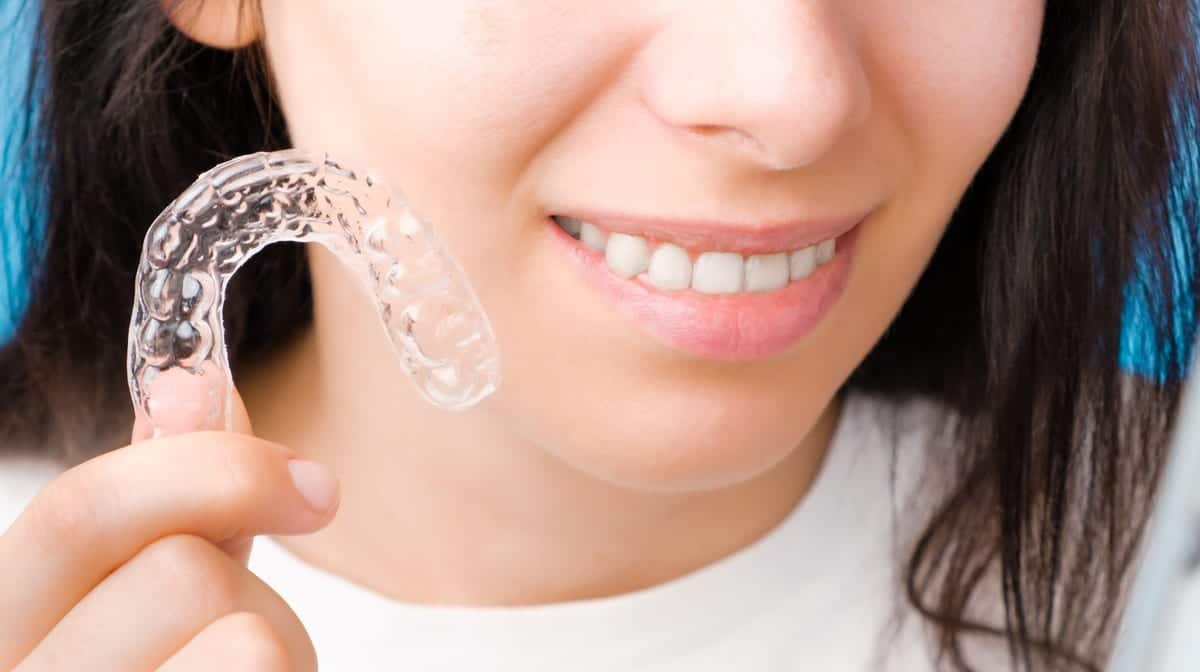
- Night Guards: If you grind your teeth, use a custom mouthguard to prevent mechanical damage.
- Regular Exams: Maintain your scheduled professional cleanings and checkups.
Frequently Asked Questions
Can dental implants get cavities?
No, the titanium implant and the restoration cannot decay. However, the surrounding gum tissue can still develop disease, making daily cleaning essential to prevent peri-implantitis.
What should I do if my implant feels loose?
Do not attempt to adjust it yourself. A loose implant requires a professional assessment to determine if it is a simple mechanical issue or a sign of bone loss.
What is the success rate of reimplantation?
If an implant fails, it can often be replaced. Reimplantation is successful in approximately 90% of cases.
How long does the full process take?
The timeline varies by patient but typically spans several months to allow for extraction, healing, and proper bone integration before the final restoration is placed; you can learn more about the procedure in our dental implants 101 guide.