
Emergency Dental Care
March 29, 2026
by smileavenu2dev
Orthodontic treatment can significantly improve your or your child’s dental health, as few people naturally have perfectly aligned teeth. Your orthodontist may recommend various appliances based on your specific needs. Because every mouth is different, read our guide on what to know about braces before consulting a professional for diagnosis and treatment.
Common Types of Braces
Traditional Metal Braces
Modern traditional metal braces are lighter and more comfortable than previous versions. They consist of high-grade stainless steel brackets cemented to each tooth, connected by an archwire that applies gentle pressure to guide teeth into position. Clinical Note: While effective for complex cases, these require diligent oral hygiene to prevent plaque buildup around the brackets.
Ceramic Braces
Functioning like traditional metal braces, these use clear or tooth-colored ceramic brackets for a more discreet appearance, making them a popular choice for adults. Note that the elastic ligatures can sometimes become discolored, which may leave marks on the teeth. Risk Indicator: Ceramic brackets are more brittle than stainless steel and may be more prone to fracture if biting into hard or sticky foods.
Self-Ligating Braces
This type of braces is currently enjoying a wave of popularity with orthodontists because it provides gentler treatment and requires fewer dental visits. They use a slide mechanism instead of elastics to secure the archwire, which reduces friction and pressure, often resulting in a more comfortable experience and faster movement.
Clear Aligners
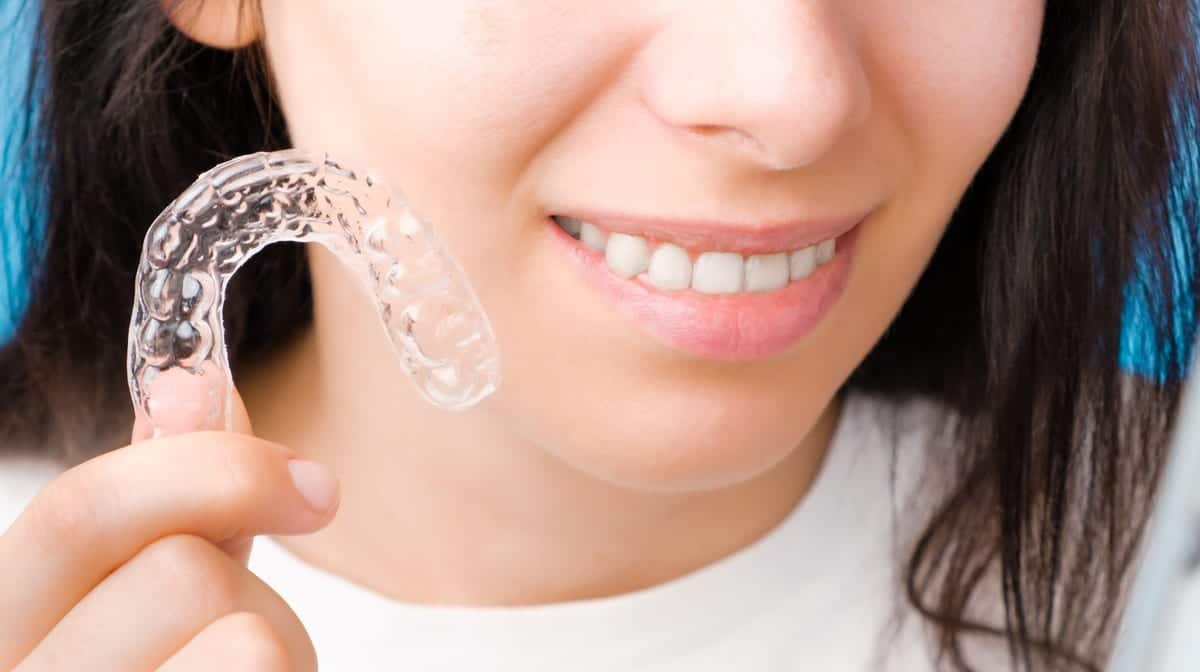
These are custom-made, transparent plastic trays that resemble mouth guards. They are clear aligners, which are removable for eating and cleaning, and you switch to a new set every two weeks to incrementally adjust your teeth. When comparing braces and aligners, remember that these trays are also frequently recommended for ongoing use after primary treatment to maintain results.
Specialized Orthodontic Appliances
Forsus Appliances
These are springs worn inside the cheeks that attach to your braces. They are primarily used to correct difficult overbites and have largely replaced the need for external headgear braces.
Palatal Expanders
For patients with overcrowded teeth, an expander is a device that fits the palate and applies pressure to the upper molars to gradually widen the jaw. This creates space for teeth to align properly and can sometimes prevent the need for tooth extractions.
Frequently Asked Questions
Which type of braces is right for me?
The best option depends on your specific dental alignment and lifestyle. Your orthodontist will evaluate your mouth to recommend the most effective treatment plan and explain how to get braces started.
Why are self-ligating braces often preferred?
They provide a gentler treatment process with less friction and pressure, which can make the adjustment period less painful and reduce the number of trips to the office.
Can I remove my clear aligners?
Yes, clear aligners are designed to be removed for eating and oral hygiene, which makes them a convenient option for many patients. Clinical Requirement: For optimal results, aligners must typically be worn for 20 to 22 hours per day.
What is the purpose of a palatal expander?
It is used to widen the upper palate in cases of overcrowding, creating the necessary space to fit other orthodontic appliances effectively.
Disclaimer: This content is for informational purposes only and is not a substitute for professional medical advice, diagnosis, or treatment.