
Emergency Dental Care
March 29, 2026
by smileavenu2dev
Oromandibular dystonia (OMD) is a rare movement disorder where muscles in the face, jaws, and tongue contract uncontrollably, leading to abnormal, repetitive postures or movements. Affecting approximately three out of every million people, this condition requires professional evaluation to differentiate it from other temporomandibular disorders (TMD) and to begin managing symptoms effectively.
Symptoms and Effects of Oromandibular Dystonia (OMD)
OMD causes tonic muscle contractions that occur during jaw movement or speech, often making eating and drinking difficult. Because the jaw is constantly working, patients often experience significant fatigue. Common dental and oral complications include:
- Chronic jaw pain
- Trauma to soft oral tissues
- Tongue biting
- Wear on teeth from grinding
Beyond physical symptoms, OMD can be associated with anxiety or depression. Symptoms typically appear between ages 40 and 70, and women are statistically four times more likely to be affected than men.
Oromandibular Dystonia (OMD) Treatment and Management
While OMD is rare, various treatment options can provide relief. Management is highly individualized and often requires a multidisciplinary team, including neurologists, speech pathologists, and dentists.
- Medical Interventions: Oral medications (such as baclofen, clonazepam, or tetrabenazine) help about one-third of patients. Botulinum toxin injections into the masseter, temporalis, or lateral pterygoid muscles are frequently used to reduce spasms, though jaw-closure dystonia often responds more predictably to these injections than jaw-opening variants.
- Supportive Care: Engage in speech and swallowing therapy and practice daily relaxation techniques.
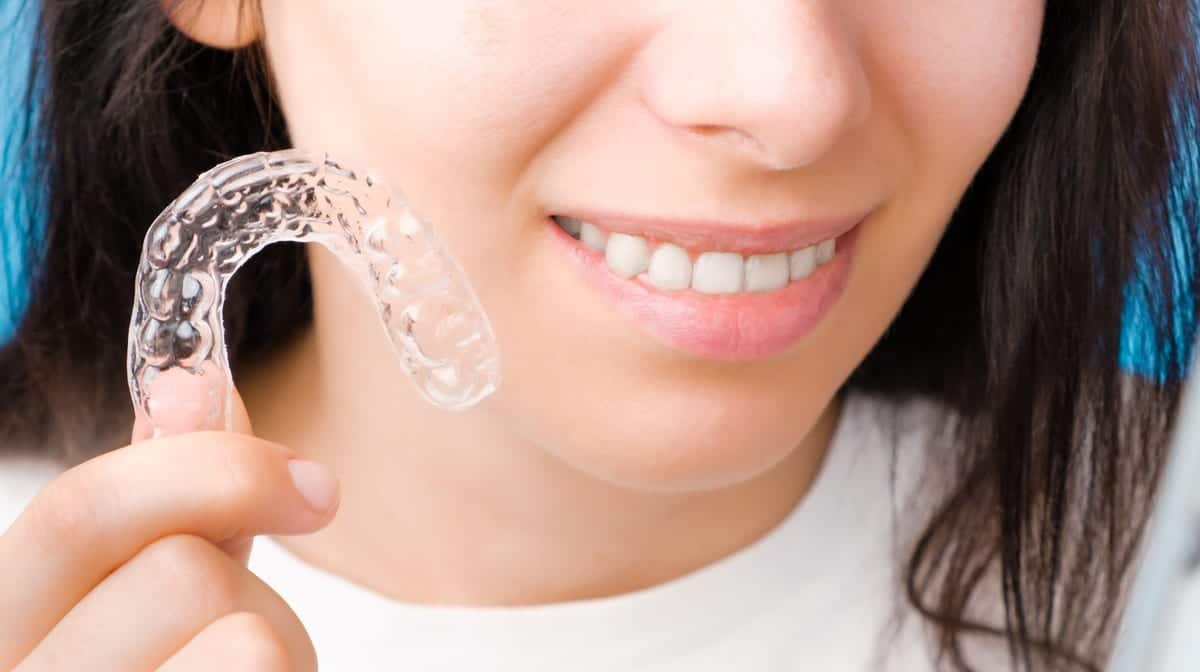
- Lifestyle and Sensory Feedback: Some patients find temporary relief through “sensory tricks,” such as touching the chin, chewing gum, or wearing an orthodontic mouthguard, which can provide proprioceptive feedback to temporarily inhibit involuntary contractions.
- Holistic Approach: Have great medical and dental care, learn about your specific treatment options, and seek expert mental health professionals if you are struggling with the emotional impact of the disorder.
- Community Engagement: Develop a support system and get active in the dystonia community to share resources and information.
Frequently Asked Questions
What is the primary cause of OMD?
OMD is a neurological movement disorder involving involuntary muscle contractions. It is distinct from mechanical jaw issues, as it originates from the central nervous system’s control of muscle tone.
How can I protect my teeth if I have OMD?
Work closely with your dentist to address wear on teeth from grinding and trauma to soft oral tissues. Custom mouthguards or orthodontic devices may be recommended to provide relief and protection against the high-force contractions associated with the condition.
Why is a support system important?
Living with a rare disorder can be challenging. Developing a support system and connecting with the dystonia community helps you learn about treatment options and complementary therapies.
When should I seek help?
If you experience persistent, uncontrollable jaw or tongue movements, consult a medical professional ASAP to ensure you receive an accurate diagnosis and a comprehensive care plan.