
Emergency Dental Care
March 31, 2026
by smileavenu2dev
If you LOVE your daily coffee, you may have noticed it leaves your smile looking less than bright. Many patients ask: does white coffee stain teeth? While adding milk or cream may slightly dilute the intensity of the pigments, all coffee contains chromogens and tannins that can lead to discoloration. It is important to note that while milk changes the color of the beverage, it does not neutralize the acidic pH of coffee, which can contribute to enamel erosion over time. According to the American Dental Association (ADA), effective treatments are available at your dental professional’s office and over-the-counter to keep you smiling.
What Causes Tooth Discoloration?
Beyond coffee, tea, and red wine, tooth discoloration can stem from several factors:
- Genetics: Tooth color can be hereditary.
- Fluorosis: Caused by excessive fluoride exposure during childhood.
- Other Factors: Aging, injury, illness, medications, and tobacco use.
How to Whiten Your Teeth
You can choose from various methods to brighten your smile:
- Whitening Toothpaste: Contains abrasive ingredients to polish away surface stains.
- Whitening Mouthrinse: Uses bleaching agents to remove surface stains with regular use.
- Over-the-Counter Bleaching: Strips and gel trays penetrate beneath surface stains to break up discoloration in the enamel.
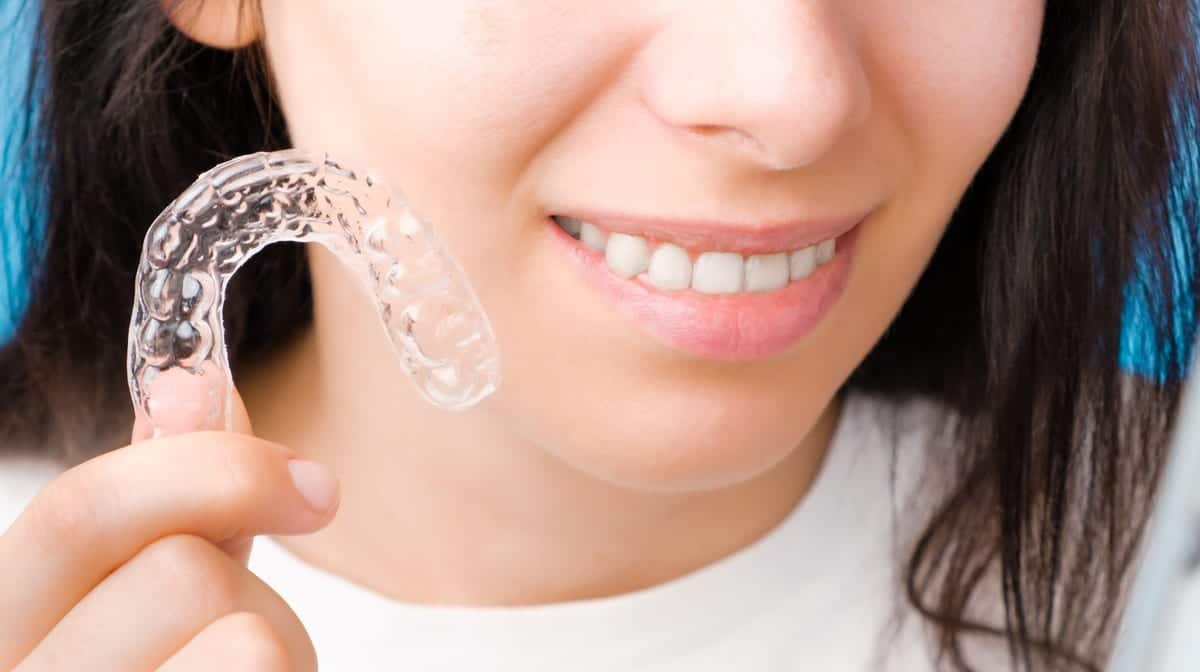
- Dentist-Prescribed At-Home Whitening: These kits contain higher concentrations of hydrogen or carbamide peroxide than store-bought versions, providing safer, more effective results under professional guidance.
Professional In-Office Whitening
For faster results, professional whitening is the gold standard. Your dentist performs an examination to ensure your teeth and gums are healthy and to identify any crowns or veneers that do not respond to whitening. Benefits include:
- Stronger Whitening Agents: Dentists use higher concentrations of gel than at-home products.
- Dental Supervision: Professionals monitor the process to prevent soft tissue irritation and manage temporary sensitivity.
- Immediate Results: Because the professional-grade gel is more potent, you will see visible improvements much faster than with daily at-home applications.
Preventing Stains and Maintaining Oral Health
To keep your smile bright, practice consistent oral hygiene:
- Brush at least twice a day.
- Brush after consuming coffee, tea, or red wine. If a toothbrush isn’t available, rinse with water to help neutralize the mouth’s pH level.
- Floss or use interdental brushes/water flossers at least once daily.
- Use an antimicrobial mouthrinse and a tongue scraper.
- See your dental professional for regular checkups.
Frequently Asked Questions
Does white coffee stain teeth less than black coffee?
Adding milk may slightly reduce the concentration of staining pigments, but it does not eliminate the risk. Coffee remains a staining beverage regardless of its color, and the addition of sugar or syrups can further increase the risk of decay.
Are whitening toothpastes enough to remove deep stains?
No. Whitening toothpastes are designed to polish surface stains. To break up deeper stains within the enamel, you generally need bleaching agents found in strips, trays, or professional treatments.
Why is dental supervision important for whitening?
A dentist ensures your gums and teeth are healthy enough for treatment and protects your soft tissues from irritation caused by high-concentration whitening gels. Red flags like persistent tooth sensitivity or gum pain should always be reported to your dentist before starting any whitening regimen.
Can I whiten my crowns or veneers?
No. Whitening agents only work on natural tooth enamel. Your dentist will evaluate your dental work during your exam to determine the best approach for your specific smile. Can you whiten crowns?