
Emergency Dental Care
April 6, 2026
by smileavenu2dev
If you are considering dental bonding to repair a chipped tooth or enhance your smile, you likely want to know: how long does dental bonding last? On average, dental bonding typically lasts between three and 10 years before it requires maintenance or replacement, depending on your oral hygiene and lifestyle habits. Professionals across the world trust Colgate to find resources, products, and information to give your patients a healthier future.
What Is Tooth Bonding?
Bonding is a process wherein your dental professional adds volume to your teeth to alter or supplement their shape, size, or appearance. They use a putty-like resin that bonds to your teeth before hardening. Because the material is typically tooth-colored, it will either match or improve the look of your teeth. Note: Unlike porcelain veneers, tooth bonding is a direct procedure, meaning the material is applied and sculpted directly onto the tooth in a single visit.
Why Choose Dental Bonding?
Dental bonding is a versatile, attractive option for patients looking to improve your smile or address specific dental concerns, such as a dental bonding front teeth gap. You may be a candidate for this procedure if you:
- Want to improve the cosmetic appearance of your smile.
- Have chipped or fractured a tooth due to injury, decay, or damage.
- Grind your teeth (bruxism).
- Are unhappy with the shape of your teeth or visible gaps.
- Need to cover an exposed tooth root.
How to Maximize the Lifespan of Your Bonding
Because bonding material is susceptible to wear and staining, your daily habits are the most significant factor in its longevity. To keep your smile looking its best, follow these guidelines:
- Avoid Physical Stress: Do not chew on ice, pens, pencils, or fingernails, as these can easily fracture the resin. Red flag: If you notice sudden sensitivity or a rough edge on the bonded area, contact your dentist, as this may indicate a micro-fracture.
- Practice Consistent Hygiene: Brush gently for two minutes twice a day using a soft-bristled brush and non-abrasive, fluoride-containing toothpaste.
- Clean Between Teeth: Use floss, a flossing device, or an interdental brush once daily to prevent decay around the bonding site.
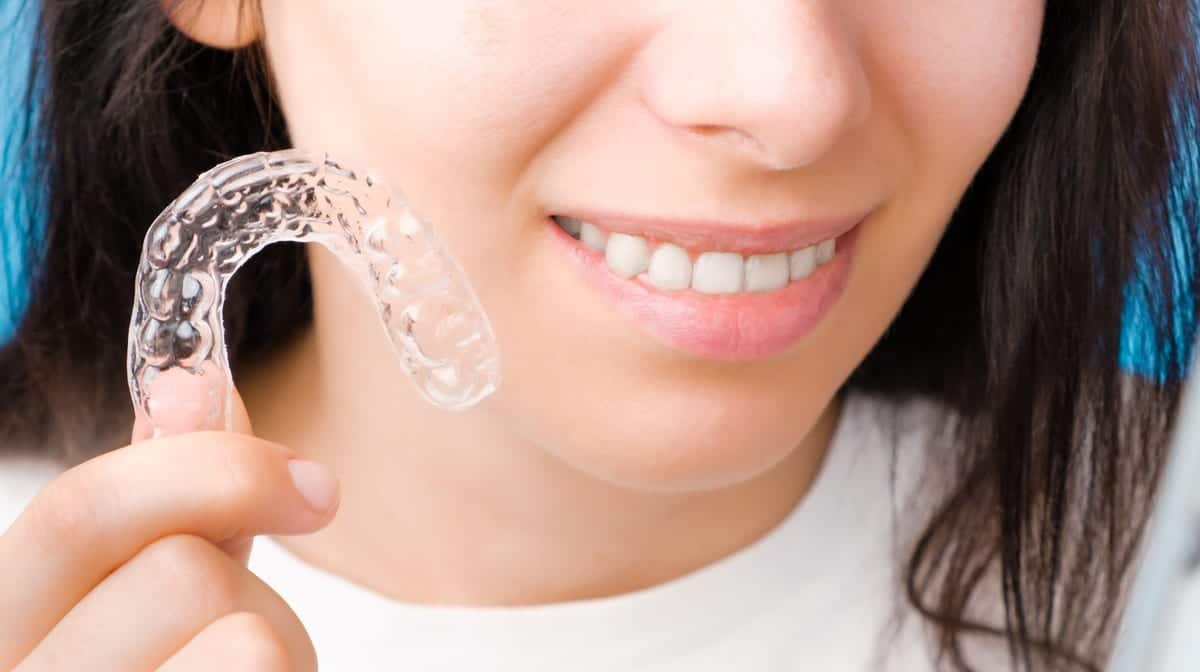
- Manage Bruxism: If you grind your teeth, take steps to stop the habit or wear a protective night guard. Clinical distinction: While bonding can repair teeth damaged by bruxism, it is not a cure for the condition itself; a night guard is essential to prevent the resin from wearing down prematurely.
- Watch Your Diet: Consume a healthy diet low in sugary and acidic foods. Avoid tooth-staining items like coffee, tea, and tobacco to prevent discoloration.
- Stay Consistent with Care: Visit your dental professional regularly for checkups and professional cleanings.
Frequently Asked Questions
Is dental bonding painful?
The procedure is generally comfortable. Your dentist may use local anesthesia if the tooth requires significant preparation, but many bonding procedures can be performed without it.
How does bonding compare to veneers?
Veneers are custom-made porcelain or composite shells that cover the front of the tooth. They are often more durable and stain-resistant than bonding, and patients often ask how long veneers last compared to other cosmetic treatments, though they typically require more removal of the natural tooth structure.
Can bonding be repaired if it chips?
Yes, one of the primary benefits of dental bonding is that it is easily repairable. If a small piece chips off, your dentist can usually add more resin to restore the shape.
Is dental bonding covered by insurance?
Coverage varies by provider. Insurance often covers bonding if it is performed for restorative purposes (such as repairing a fracture), but may not cover it if it is strictly for cosmetic improvement.
Disclaimer: This content is for informational purposes only and does not replace professional dental advice. Always consult with your dentist to determine the best treatment plan for your specific needs.