

Emergency Dental Care
March 4, 2024
by smileavenu2dev
If you’ve ever wondered can you oil pull everyday—and whether it’s safe, helpful, or just another internet trend—you’re not alone. Oil pulling has become a popular “pre-brush” routine for fresher breath and a cleaner-feeling mouth, but it also raises important questions about evidence, safety, and how it fits with standard dental care.
Below is a dentist-friendly, evidence-aware guide to oil pulling: what it is, how it works (and what’s still uncertain), how to do it safely, and what realistic results to expect. This article is designed to help you decide whether daily oil pulling belongs in your oral hygiene plan—without replacing the basics that protect teeth and gums.
Oil Pulling Basics: What It Is (and Why People Ask “Can You Oil Pull Everyday?”)
What is oil pulling?
Oil pulling is a traditional practice where an oil is swished around in the mouth and then spit out. The swishing motion is intended to “pull” away debris and bacteria from the mouth, similar in concept to how mouthwash is used—though oil pulling uses edible oils rather than medicated ingredients.
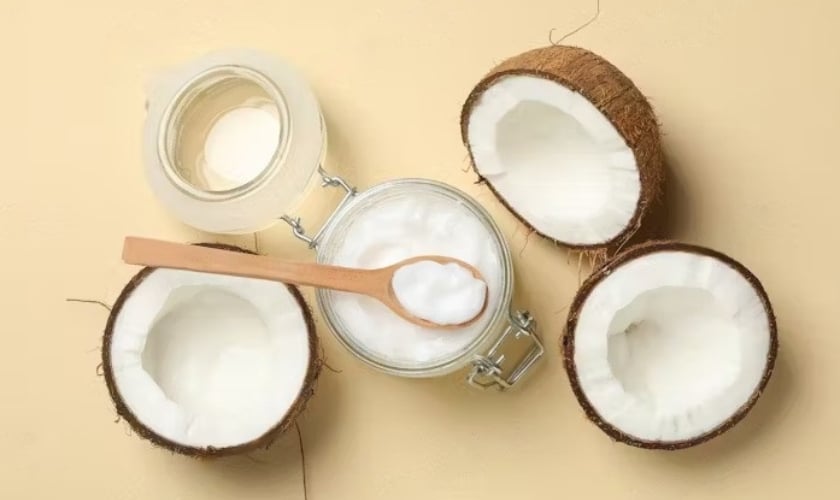
Common oils used include coconut, sesame, olive, and sunflower. People often choose based on taste, availability, and personal preference, but the routine itself is fairly consistent: swish, then spit, then rinse and brush.
Oil pulling is rooted in Ayurveda, an ancient Indian system of health practices. In Ayurveda, oral care is often viewed as part of overall balance, and oil pulling is sometimes described as supporting “natural elimination” of unwanted material through saliva and oral tissues.
Can you oil pull everyday? (Quick answer)
Yes—many people do oil pulling daily as a supplement to their oral hygiene routine. For most adults, 1x daily is enough, and daily use is generally considered reasonable as long as it is gentle and does not replace brushing and flossing.
Oil pulling should be treated as an adjunct, not a substitute. Dental professionals typically emphasize that plaque removal and cavity prevention rely on fluoride toothpaste, daily flossing (or interdental cleaning), and regular professional cleanings.
Duration and intensity matter. Overdoing oil pulling—swishing too aggressively or for too long—can lead to jaw fatigue or irritation, which is a sign to scale back rather than push harder.
What oil pulling is NOT
Oil pulling is not a cure-all for cavities or gum disease. Cavities form when tooth enamel is exposed to acid from plaque bacteria over time, and gum disease is driven by plaque and inflammation that require consistent mechanical cleaning and, when needed, professional periodontal treatment.
It also does not replace professional cleanings or exams. Even with excellent at-home habits, calculus (hardened plaque) can build up in areas a toothbrush can’t fully reach, and dental professionals can spot early signs of problems before they become painful or expensive.
Finally, oil pulling is not an evidence-based replacement for standard oral hygiene. Research suggests potential benefits for some outcomes (like breath and bacterial load), but the overall body of evidence is limited and not strong enough to endorse oil pulling as a standalone treatment.
How Oil Pulling Works: Mechanisms, Microbiome, and Evidence
Proposed mechanisms (Ayurvedic + modern explanations)
From an Ayurvedic perspective, oil pulling is sometimes described as helping the body “excrete” unwanted material through saliva. The mouth is a highly active environment, and Ayurveda traditionally connects oral practices with digestion and overall balance.
Modern hypotheses focus more on physical and biological effects. Swishing oil may emulsify (break up) certain substances in the mouth, potentially helping dislodge food debris and interfering with how plaque forms.
Another theory is that oil pulling may reduce the number of bacteria in saliva and disrupt early biofilm formation. Biofilms are complex communities of microbes that adhere to tooth surfaces, and even small changes in the oral environment can influence how plaque behaves—though the extent of this effect varies by person and by technique.
What research suggests (benefits vs limits)
Studies on oil pulling often involve small groups and short timeframes, which makes results harder to generalize. Some trials and reviews suggest oil pulling can reduce certain bacteria in saliva and may improve measures related to plaque or gingival inflammation.
In limited comparisons, oil pulling has sometimes shown effects that are comparable to certain antiseptic approaches in specific settings. However, antiseptics like chlorhexidine are studied extensively for defined indications, while oil pulling is not typically used as a medical substitute.
Overall, the evidence is best described as promising but not definitive. That’s why dental professionals usually recommend oil pulling only as a supportive routine—especially for people who enjoy it and tolerate it well—while keeping fluoride brushing and flossing as the foundation.
What results you can realistically expect
Realistic benefits people report include fresher breath and a cleaner-feeling mouth. Some users also notice mild reductions in plaque-related irritation, such as less redness along the gumline, particularly when oil pulling is paired with consistent brushing and interdental cleaning.
There may also be a mild whitening effect over time for certain surface stains, but oil pulling is not a substitute for professional stain removal or whitening treatments. Cavities and enamel demineralization cannot be “swished away,” and tooth color changes caused by deeper structural issues require dental evaluation.
Expect gradual changes rather than immediate transformation. If oil pulling is helpful for you, benefits typically show up over weeks, not minutes—and they depend heavily on technique, oil quality, and your baseline oral hygiene habits.
Can You Oil Pull Everyday Safely? Safety Checklist
Safety rules (the “must-follow” list)
Oil pulling is generally considered safe for many adults when done correctly, but safety rules should be followed closely. The most important rule is simple: do not swallow the oil. Oil contains bacteria and debris from the mouth, so it should be spit out every time.
Swishing should be gentle. Aggressive motion can strain the jaw and may irritate gums or teeth—especially if there is existing sensitivity, recession, or inflammation.
Finally, oil pulling should remain a supplement to evidence-based care. The safest “daily” plan is oil pulling once daily (if desired), plus brushing twice a day with fluoride toothpaste and flossing once a day or using interdental brushes where appropriate.
Who should avoid or get dentist guidance first
Some people should avoid oil pulling or get guidance from their dentist before starting. If there are known allergies or sensitivities to common oils (especially coconut or sesame), oil pulling may trigger reactions and should not be attempted without professional advice.
Recent dental work is another key consideration. After procedures such as extractions, gum surgery, or certain root canal-related healing phases, your dentist may recommend waiting until tissues are stable to avoid irritation or disruption.
People with swallowing disorders or anyone who cannot reliably spit safely should not oil pull. This is especially relevant for young children, where aspiration risk is a concern if oil is accidentally inhaled.
Possible side effects and when to stop
The most common side effects are related to technique. Jaw pain or facial muscle stiffness can occur if swishing is too vigorous or too long, particularly for beginners who are still learning how to move the oil comfortably.
Nausea or an upset stomach can happen if oil is swallowed accidentally or if the routine triggers a gag reflex. If nausea occurs, stop the session and reassess technique and duration.
Stop oil pulling and consult a dental professional if irritation worsens, if there is persistent pain, or if new oral symptoms appear. Persistent sensitivity, bleeding that increases over time, or signs of infection should never be ignored.
How to Oil Pull Correctly (Step-by-Step for Daily Use)
Step-by-step instructions (morning routine)
Many people choose to oil pull in the morning on an empty stomach, ideally before breakfast. This timing aligns with traditional guidance and may make it easier to keep the routine consistent.
Amount and duration vary by preference, but common guidance is about 1 tablespoon for adults. For children 5+ (with supervision), some traditional recommendations use about 1 teaspoon, though safety and ability to spit are more important than the exact amount.
Time is also flexible. Many people swish for 5–20 minutes, but beginners should start shorter and avoid exceeding about 20 minutes to reduce the risk of jaw fatigue.
Swishing technique (what “good” feels like)
Good technique is gentle and controlled. Swish and pull the oil between teeth and around gum areas without forcing it—think “comfortable movement” rather than “intense scrubbing.”
Position can matter for safety. Sitting upright with the chin slightly up can help reduce the chance of oil moving toward the throat, which supports safer spitting.
As you continue, the oil often becomes more milky or viscous and may thin out as it emulsifies with saliva. When it looks and feels like it has changed texture, that’s a sign the routine is progressing.
Spit, rinse, then brush (best order)
When the session is done, spit the oil out into a trash can or paper towel, not the sink. Spitting into the sink can contribute to plumbing clogs, especially with oils that solidify or accumulate.
Rinse afterward with tap water or warm saline. Then brush and floss as usual—oil pulling is intended to be a pre-brush adjunct, not the final step in plaque control.
Brushing after oil pulling helps remove any remaining residue and supports fluoride delivery to enamel. Flossing afterward is important because oil pulling does not replace interdental cleaning where plaque commonly accumulates.
Oil Pulling Timing: When to Do It (and Whether to Brush Before or After)
Best time of day for daily oil pulling
The most common recommendation is morning use before eating or drinking. Doing it on an empty stomach can also help you keep the routine consistent and reduce the chance of mixing oil with food particles.
Consistency matters more than perfect timing. If morning doesn’t work, some people do oil pulling later in the day as long as it’s followed by rinsing and brushing/flossing afterward.
For most people, daily oil pulling is fine if tolerated. If discomfort occurs, reducing frequency (for example, every other day) may be a better approach than forcing daily use.
Brush before or after oil pulling?
Most routines recommend oil pulling before brushing. The idea is that oil pulling acts as an initial “adjunct” step that loosens debris and reduces bacterial load in the mouth, so brushing can then do the main plaque removal work.
After oil pulling, rinsing and then brushing/flossing helps ensure that any residue is removed and fluoride can protect enamel. Skipping brushing after oil pulling would undermine the main goal of preventing cavities and gum inflammation.
If a person prefers to brush first due to sensitivity or gag reflex, it’s still important to maintain a consistent brushing schedule. However, the classic approach is oil pull first, then rinse, then brush and floss.
How long should you do it if you’re new?
Beginners should start with a shorter session, such as 2–5 minutes, and gradually build up as comfort improves. This approach reduces the risk of jaw fatigue and helps your mouth adapt to the sensation of swishing oil.
Daily oil pulling doesn’t require maximum duration to be worthwhile. If the goal is a supportive routine, staying at the lower end of the recommended range is often enough—especially for people who already brush and floss thoroughly.
If jaw fatigue occurs, reduce time or amount. Persistent pain is a reason to stop and consult your dentist rather than “push through.”
Benefits of Daily Oil Pulling (What It May Help With)
Breath and bacterial load
One of the most commonly reported benefits is freshening breath. Oil pulling may temporarily reduce odor-causing compounds and lower bacterial activity in the mouth, which can make breath feel cleaner.
Some studies suggest oil pulling can reduce certain bacteria in saliva. While this is encouraging, it’s important to remember that oral bacteria repopulate, so the effect is not permanent and depends on ongoing hygiene.
For people with mild bad-breath concerns, oil pulling may be a helpful add-on. However, persistent halitosis can also be linked to gum disease, dry mouth, tonsil issues, or reflux—conditions that need dental or medical evaluation.
Gum health and inflammation
Oil pulling may support gum health by reducing plaque-related irritation. Inflammation along the gumline often improves when plaque is controlled, and oil pulling may help as part of a broader routine.
That said, gum disease is not just a “bacteria problem”—it’s a chronic inflammatory condition driven by plaque biofilm. If gums bleed, feel swollen, or have deep pockets, professional periodontal care is typically required.
Oil pulling should be viewed as supportive. The main gum-protecting strategy remains daily mechanical cleaning plus professional cleanings tailored to your periodontal status.
Teeth appearance (whitening) and plaque control
Some users notice mild surface whitening over time. This effect is usually subtle and may come from reduced surface staining or plaque accumulation rather than true enamel bleaching.
Oil pulling is not a reliable way to reverse cavities or remove tartar. Stains caused by coffee, tea, smoking, or certain medications may require professional cleaning or whitening products designed for enamel-safe results.
For plaque control, the best outcomes occur when oil pulling is paired with fluoride brushing and daily interdental cleaning. Oil pulling alone is unlikely to provide the same level of plaque removal as brushing and flossing.
Common Problems: Tooth Pain, Jaw Fatigue, and Other Issues
Why teeth hurt after oil pulling
Tooth discomfort after oil pulling is usually related to technique or pre-existing dental issues. Overly vigorous swishing can irritate gums and increase sensitivity, especially if the routine is longer than your mouth can comfortably handle.
Another common reason is existing sensitivity from enamel wear, exposed dentin, cavities, or gum recession. In these cases, oil pulling may not be the cause of the problem, but it can make symptoms noticeable.
Oil temperature and quality may also play a role. Cold or unrefined oils can feel harsher for some people, and irritation can be more likely if the mouth is already inflamed.
Jaw soreness or fatigue—how to fix it
Jaw soreness often happens when swishing is too forceful or when the routine is too long for a beginner. The fix is usually straightforward: reduce duration, use a smaller amount of oil, and swish more gently.
Switching to a gentler technique helps. Instead of “pushing” the oil around, focus on controlled, comfortable movement that reaches tooth surfaces without straining the jaw muscles.
If soreness persists beyond the session or becomes frequent, stop oil pulling and discuss it with your dentist. Persistent pain could indicate an underlying dental or jaw issue such as TMJ sensitivity.
What to do if you accidentally swallow oil
If oil is swallowed accidentally, stop the session and rinse the mouth. Most people experience mild effects at most, but it’s still important not to continue the routine.
Monitor for nausea or upset stomach. If symptoms are severe, persistent, or include breathing difficulty, seek medical care promptly.
The key takeaway is prevention: spit out every time, and avoid oil pulling if safe spitting is not possible. Oil pulling should never be done while lying down or in a way that increases the risk of aspiration.
Oil Pulling for Kids and Special Situations
Age guidance and supervision
Traditional guidance often avoids oil pulling under age 5 due to aspiration risk. For children 5 and older, some routines suggest starting with about 1 teaspoon and ensuring the child can spit safely every time.
Supervision is essential. A child who cannot reliably spit should not attempt oil pulling, even if they are curious or eager to copy adult routines.
Parents may consider alternative supportive habits for younger children, such as supervised brushing with fluoride toothpaste and age-appropriate flossing or interdental cleaning tools.
After dental work or with oral conditions
After recent dental procedures, oil pulling may not be appropriate immediately. For example, after extractions or gum surgery, your dentist may recommend waiting until healing is complete to avoid irritation or disrupting the surgical area.
Oral conditions like ulcers, fever, or frequent vomiting tendencies may complicate routines. While some people use oil pulling during certain conditions, it should be approached cautiously and discussed with a dental professional, especially if symptoms are active.
For asthma or other respiratory concerns, any activity that increases choking or aspiration risk should be avoided. Safety comes first, and professional guidance is the best way to decide what’s appropriate.
When brushing/flossing is difficult
Some people consider oil pulling as a temporary adjunct when brushing or flossing is challenging due to pain, limited dexterity, or braces-related difficulties. In these situations, oil pulling may help with comfort or breath while the main routine is being restored.
However, it should not become a long-term replacement. The goal is always to return to brushing and flossing as soon as possible, and to use tools that make cleaning easier (like soft brushes, floss picks, or interdental brushes).
If brushing is consistently difficult, a dental professional can recommend specific products and techniques. That personalized plan is usually more effective than relying on oil pulling alone.
Prevention & Best Practices: Making Oil Pulling Part of a Real Oral Hygiene Plan
Daily routine blueprint (oil pulling + evidence-based care)
A practical daily plan balances tradition with proven dental protection. For many people, the blueprint looks like this: oil pull once daily (if desired), brush twice daily with fluoride toothpaste, and floss daily.
Oil pulling should not replace professional cleanings. Most adults benefit from dental checkups and cleanings at intervals recommended by their dentist, often every 6 months, though individual needs can vary based on gum health and cavity risk.
For people with higher risk—such as a history of cavities or gum disease—your dentist may recommend additional preventive steps like fluoride varnish, prescription toothpaste, or more frequent cleanings.
Oil selection and storage
Oil quality matters. Cold-pressed or organic oils are often recommended by oil pulling enthusiasts, and using a fresh product helps reduce the chance of rancid taste or irritation.
Proper storage is important to maintain oil quality. Oils should be kept sealed and stored away from heat and light, since rancidity can develop over time and may feel unpleasant in the mouth.
Comparing oils can be simple: coconut is widely used, sesame is a traditional favorite, olive is popular for taste, and sunflower is another option. The “best” oil is often the one you tolerate well and can use consistently without irritation.
Avoiding common mistakes
Several mistakes can reduce benefits or increase risks. First, don’t exceed recommended duration—especially if jaw fatigue occurs. Second, don’t spit into the sink; use a trash can or paper towel to avoid plumbing issues.
Third, don’t use oil pulling as a substitute for medically indicated mouthwash. If a dentist prescribes an antiseptic rinse for a specific condition, that treatment should be followed as directed.
Finally, avoid treating oil pulling as a “fix” for symptoms. If there is persistent bleeding, pain, swelling, or bad breath that doesn’t improve, professional evaluation is needed to address the underlying cause.
Comparison: Oil Pulling vs Mouthwash vs Chlorhexidine (and Where It Fits)
Oil pulling vs mouthwash
Oil pulling and mouthwash both involve rinsing the mouth, but they are not the same. Oil pulling uses edible oils and relies on swishing and emulsification, while mouthwash may contain antiseptics, fluoride, or other active ingredients.
In practical terms, mouthwash products are often designed for specific outcomes—like reducing plaque, controlling gingivitis, or supporting enamel. Oil pulling may offer supportive effects, but it doesn’t deliver the same predictable dosing of active ingredients.
For most people, the best approach is to use mouthwash only when it fits your dental plan and to keep brushing and flossing as the core routine.
Oil pulling vs chlorhexidine (what studies compared)
Some small trials have compared oil pulling with chlorhexidine or water in limited groups. Chlorhexidine is a well-studied antiseptic used for specific dental indications, such as certain gum conditions or post-procedural care.
In these comparisons, oil pulling may show improvements in certain measures, but the results do not automatically mean it is equivalent for everyone. Differences in study design, duration, and participant baseline oral health make direct equivalence difficult.
Because chlorhexidine is used under defined clinical guidance, it should not be replaced by oil pulling when a dentist has prescribed it for a specific reason.
Best use-case scenarios
Oil pulling may fit best for people who enjoy the routine, tolerate it well, and want an additional supportive step for breath or comfort. It can be a reasonable supplement when it does not interfere with fluoride brushing and daily interdental cleaning.
Oil pulling is not the right standalone choice for active infections, advanced gum disease, or existing cavities that require treatment. In those cases, delaying care can allow problems to progress.
Our team at Smile Avenue Family Dentistry often frames oil pulling as a “nice-to-have” for some patients—useful only when it supports, rather than replaces, evidence-based oral hygiene.
Frequently Asked Questions
Can you oil pull everyday without harming your teeth or gums?
In most cases, yes—many people can oil pull daily safely when they swish gently, spit the oil out every time, and never replace brushing and flossing. Daily use is typically considered a supplement, not a replacement for fluoride toothpaste and interdental cleaning.
If jaw pain, gum irritation, or increased sensitivity occurs, it’s a sign to reduce duration or stop and consult a dentist. Safety and comfort should guide how often oil pulling is done.
How long should I oil pull each day?
A common range is about 5–20 minutes. Beginners often do better starting at 2–5 minutes and building up gradually to avoid jaw fatigue.
Staying under about 20 minutes is a practical guideline for most people, especially if daily oil pulling is the goal. Longer sessions are not necessarily better and may increase the risk of strain.
Should I brush my teeth before or after oil pulling?
Most routines recommend oil pulling before brushing. The goal is to use oil pulling as a pre-brush adjunct, then rinse and brush/floss as usual afterward.
Brushing after oil pulling helps remove residue and ensures fluoride contacts the teeth. Skipping brushing would undermine the main cavity-prevention benefits of daily oral care.
What oil is best for oil pulling?
Coconut oil is the most commonly used option, but sesame and olive are also popular. The best choice is often the one you tolerate well and that is fresh (ideally cold-pressed or good quality).
If allergies or sensitivities exist, avoid triggering oils and ask your dentist for guidance. Taste and comfort also matter because you’re more likely to do the routine consistently.
Can oil pulling prevent cavities?
Evidence is limited, and oil pulling should not be relied on to prevent cavities. While it may help reduce plaque-related bacteria for a short time, cavity prevention depends on fluoride exposure, daily plaque removal, and regular dental care.
For cavity prevention, brushing with fluoride toothpaste twice daily and flossing daily remain the most proven strategies. Oil pulling can be supportive, but it can’t replace those essentials.
Why does my jaw hurt or my teeth feel sensitive after oil pulling?
Jaw pain or sensitivity is commonly linked to vigorous swishing, swishing for too long, or using a technique that strains the jaw. Pre-existing sensitivity, gum recession, or cavities can also make symptoms more noticeable during the routine.
Reducing time and using gentler swishing usually helps. If pain persists or worsens, a dental exam is recommended to rule out underlying issues.
Is it okay to spit oil into the sink?
No—spitting oil into the sink is not recommended. Oils can contribute to clogs and buildup in plumbing, especially as they cool and solidify.
Spit into a trash can or paper towel instead, then rinse your mouth and clean up as needed. This small habit supports safer, cleaner daily use.
Can kids oil pull every day?
Traditional guidance often avoids oil pulling under age 5 due to aspiration risk. For children 5 and older, daily oil pulling may be considered only with close supervision and the ability to spit safely every time.
Starting with a smaller amount and shorter duration can reduce risk and discomfort. If safe spitting cannot be guaranteed, oil pulling should be avoided and other oral hygiene supports should be used.
Conclusion: Should You Oil Pull Everyday?
Oil pulling can be a reasonable daily supplement for many people—especially for those who enjoy it and can do it gently, safely, and consistently. The key is keeping expectations realistic: oil pulling may support breath and plaque-related comfort, but it is not a cure for cavities or gum disease and should never replace brushing, flossing, and professional dental care.
If you’re considering adding oil pulling to your routine—or if you’ve tried it and experienced sensitivity or jaw fatigue—scheduling a dental consultation can help tailor the safest plan. Your dentist can also assess cavity and gum risk so your daily habits support long-term oral health.