

Emergency Dental Care
May 2, 2025
by smileavenu2dev
Embarking on a journey to achieve that perfect smile can be both exciting and daunting. Dental implants have emerged as a powerful solution, promising not just aesthetic enhancements but also improved oral health. Whether you’re considering this option or simply curious, this blog will guide you through the essentials of dental implants in a friendly and easy-to-understand way.
Understanding Dental Implants: The Basics
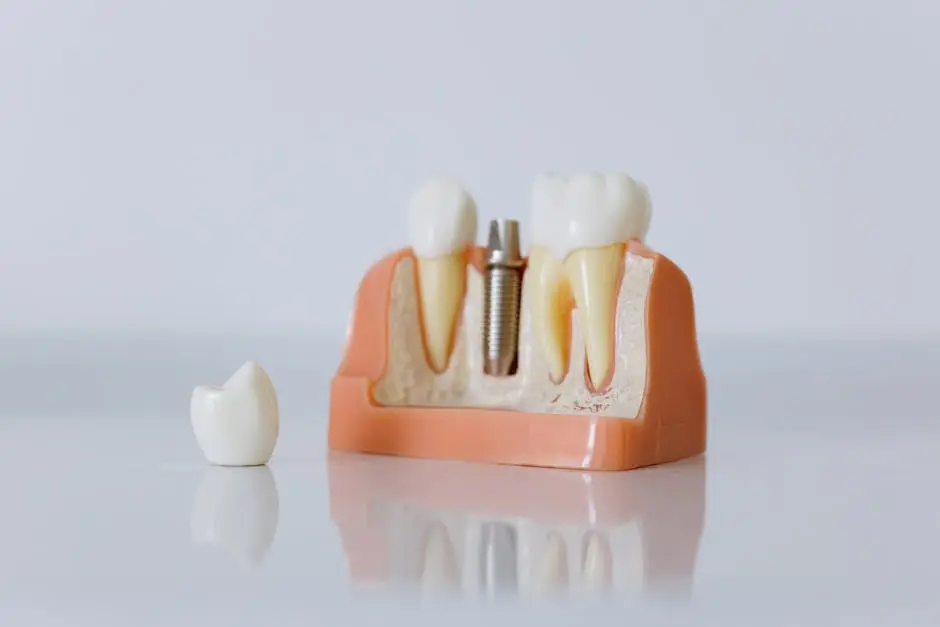
Dental implants are artificial tooth roots, similar in shape to screws. They are placed in your jawbone during a surgical procedure, providing a sturdy foundation for artificial teeth, such as crowns, bridges, or dentures. This procedure is often heralded for its stability and durability. Unlike dentures or bridges, dental implants fuse with the jawbone, preventing bone loss and maintaining facial structure over time. The concept might sound complex, but essentially, it’s about providing a permanent solution that feels and functions like natural teeth.
A key component of dental implants is their biocompatibility. Made from titanium, a material known for its strength and compatibility with the human body, these implants integrate seamlessly into the bone through a process called osseointegration. This process is critical as it ensures that the implant stays firmly in place, allowing you to chew, smile, and speak without worry. Understanding these basics can help demystify the process and set the stage for a successful dental transformation.
The Benefits of Choosing Dental Implants
From improved appearance to enhanced speech and comfort, dental implants offer numerous advantages. Unlike other options, they function like natural teeth, promoting jawbone health and maintaining the structure of your face. What’s remarkable is their ability to prevent the bone deterioration that often follows tooth loss, a feature not commonly addressed by other restorative choices. By stimulating bone growth, implants help in preserving the natural appearance of your face, which can sometimes sag when bone loss occurs.
Moreover, dental implants eliminate the discomfort and inconvenience of removable dentures. They become a part of you, eradicating embarrassing inconveniences like slipping when speaking or chewing. Another significant advantage is their longevity. With proper care and maintenance, dental implants can last a lifetime, making them a cost-effective solution in the long run. They also ensure maximum convenience in oral hygiene. Just like your natural teeth, implants require regular brushing and flossing, without the need for any special adhesives or cleaning solutions. This simplicity and permanence make them a preferred choice for many seeking a reliable solution.
Whether you’re looking for a solution to missing teeth due to decay, injury, or wear, implants provide a confidence boost. They allow you to eat your favorite foods and smile without hesitation. Ultimately, dental implants are about restoring functionality and aesthetics, empowering you to live your life to the fullest without the worries commonly associated with tooth loss.
The Dental Implant Procedure: What to Expect
The dental implant process involves several stages, including consultation, planning, surgery, and healing. Understanding each step can help ease any concerns and prepare you for a successful outcome. Initially, a detailed consultation with your dentist will set the foundation for your dental journey. Here, the dentist evaluates your oral health, takes measurements, and discusses your medical history to ensure you’re a suitable candidate for implants.
Once deemed eligible, the planning stage involves crafting a customized treatment plan, tailored to your specific needs. Advanced imaging techniques like X-rays and 3D scans are often used to map out the precise placement of the implants, maximizing the success of the procedure. Your surgery day might evoke nerves, but it is usually performed with local anesthesia and is generally considered a minor outpatient procedure. Post-surgery, there will be a healing period, known as osseointegration, during which the implant fuses with your bone, providing a stable base for the artificial tooth.
Patience is key here as this phase can take several months. During this time, temporary crowns may be placed to maintain your smile and functionality. Once healed, a connector called an abutment is placed on top of the implant, and then your new artificial tooth is securely fitted. The result is a seamless addition that looks and feels like a natural tooth. Keeping in mind each individual’s healing capacity and additional factors, the timeline might vary, but knowing what to expect at each stage can transform apprehension into anticipation.
Caring for Your Dental Implants: Tips for Success
Proper care is vital for the longevity of your implants. We’ll cover essential maintenance tips, including regular dental check-ups, proper brushing, and flossing techniques to keep your new smile healthy and bright. Regular visits to your dentist ensure that your implants remain in great condition and any potential issues are caught early. Just like with natural teeth, consistent hygiene practices play a crucial role.
Brushing at least twice a day with a soft-bristled toothbrush and using a non-abrasive toothpaste can prevent plaque buildup and maintain the surface of your crowns. Flossing daily is also crucial. Special interdental brushes or water flossers can be particularly beneficial around the implant area, ensuring all food particles and bacteria are effectively removed.
It’s also important to take care of your overall oral health. Avoid smoking and limit foods and drinks that can stain your natural teeth and implants, like coffee or red wine. Incorporating a healthy diet benefits not just your implants but your overall health. Staying proactive about your dental hygiene ensures that your implants retain their functionality and aesthetic appeal for many years to come.
Addressing Common Concerns and Misconceptions
Many people have questions about pain, cost, and suitability of dental implants. By addressing these common concerns, we aim to provide clarity and help you make an informed decision. A significant misconception is the pain associated with implant surgery. In reality, the procedure typically involves less discomfort than a tooth extraction, with many patients reporting feeling minimal pain during recovery.
The cost of dental implants is another frequently mentioned concern. While the initial investment might seem intimidating, it is important to consider the long-term benefits that come with opting for implants. Dental implants offer durability and a natural look, making them a worthwhile investment compared to other temporary solutions. Furthermore, various payment plans and financing options can make this life-changing procedure more accessible.
Another myth is the age restriction associated with implants. Age alone is not a barrier; however, good oral health and sufficient jawbone density are crucial factors. Even if these conditions are not met, treatments like bone grafting can often pave the way for successful implantation. Addressing these concerns and debunking myths can help dismiss fears, paving the path to utilizing what is arguably the best solution for tooth replacement available today.
Embrace a Confident Smile with Dental Implants
Dental implants can open the door to newfound confidence and improved dental health. Understanding the process, benefits, and potential challenges is essential in making an informed decision. As you ponder the next steps on your journey to a better smile, remember that a professional dentist will be your best ally in achieving the smile of your dreams. Visit Smile Avenue Family Dentistry’s homepage for more information and to book your consultation today.