Why Smile Avenue?


Best Alternatives to Braces for Adults: Discreet Smile Solutions

Emergency Dental Care
March 17, 2026
by Smile Avenue Family Dentistry
If you are looking for alternatives to braces for adults, you may be surprised to learn that traditional wire-and-bracket hardware is not your only option. Whether you are concerned about aesthetics, cost, or the extent of your alignment needs, our advice for adults getting braces can help you achieve a healthier, straighter smile.
The Health Benefits of Straight Teeth
Beyond cosmetic appeal, aligning your teeth provides significant oral health advantages:
- Easier Maintenance: Straight teeth are much easier to clean, reducing the risk of plaque buildup and periodontal disease.
- Improved Gum Health: Proper alignment allows your gums to support your teeth more effectively when they aren’t overlapping.
- Reduced Wear: Correcting your bite decreases the risk of chipping, breaking, or wearing away your teeth due to malocclusion.
- Jaw Relief: Proper alignment helps relieve abnormal stress placed on your jaw, which can be a factor in TMJ-related discomfort.
When Braces Might Not Be the Right Choice
You might consider alternatives to traditional braces if:
- You don’t like the way they look.
- You only have minimal spacing or crowding issues.
- You have minor bite alignment problems.
- Braces are too cost-prohibitive for your budget.
Effective Alternatives to Braces
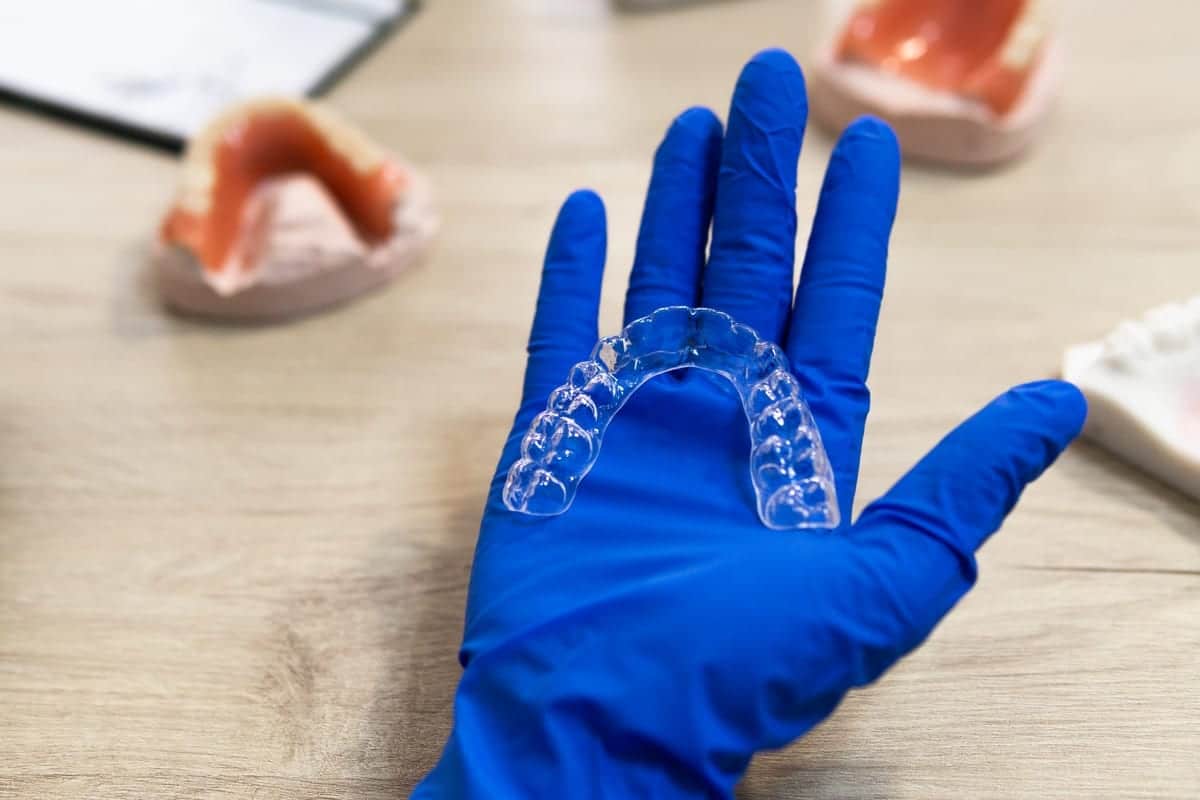
Clear Aligners
Clear aligners are discreet, removable trays custom-made to shift your teeth into position. You will typically change them every two weeks, with the entire treatment process often lasting nine months or longer depending on your specific needs. Note: Compliance is critical, as these trays must be worn 20-22 hours per day to be effective.
Retainers
While usually reserved for maintaining results after orthodontic treatment, a retainer can sometimes be used as a standalone solution for very minor adjustments. These are typically best suited for patients with minimal relapse or slight spacing.
Headgear
For significant bite misalignment, a professional may recommend headgear braces. This appliance uses a strap and wires to apply gentle, consistent pressure to the jaw, though it is less discreet than other options. It is typically worn for several hours a day to achieve skeletal or dental correction.
Veneers
If you have gaps, chips, or staining, veneers offer an aesthetic fix. These thin shells are bonded to your teeth. While traditional veneers require the removal of a thin layer of enamel, no-prep options are also available. Important: Veneers are a restorative cosmetic choice, not a functional orthodontic treatment, and do not correct underlying bite issues.
Important Safety Warning: Avoid DIY Orthodontics
The American Dental Association strongly discourages the use of clear aligners obtained directly from manufacturers, a practice being called Do-It-Yourself (DIY) orthodontics. Before attempting to learn how to straighten your teeth at home, remember that moving teeth is a complex medical procedure that requires the direct supervision of a licensed professional to ensure your safety.
Frequently Asked Questions
Are there alternatives to braces for minor spacing?
Yes, for minor spacing or crowding, your dentist may suggest clear aligners or, in some cases, a retainer to achieve the desired alignment.
Are veneers considered an orthodontic treatment?
No, veneers are a cosmetic solution. They do not move your teeth but rather cover them to create the appearance of a straight, uniform smile.
Why should I avoid DIY aligners?
These kits lack the professional oversight necessary to monitor tooth movement. Without proper clinical exams, you risk permanent damage to your teeth and gums.
How do I know which option is right for me?
The best way to decide is to schedule a consultation with an orthodontist. They will evaluate your bite, jaw health, and specific alignment needs to recommend the safest and most effective treatment plan.