
Emergency Dental Care
March 24, 2026
by smileavenu2dev
If you wake up with headaches, a sore jaw, or facial muscle fatigue, you may be unintentionally clenching your teeth at night. This condition, medically known as bruxism?, is often triggered by stress and can lead to enamel wear, tooth fractures, and damage to existing dental work. The most effective way to manage clenching is to combine stress-reduction techniques with professional dental interventions, such as a custom-fitted night guard. While these methods might help, treatment varies from person to person.
Recognizing the Symptoms
Identifying clenching early can prevent long-term dental damage. Watch for these common symptoms bruxism:
- Morning headaches (often localized to the temples)
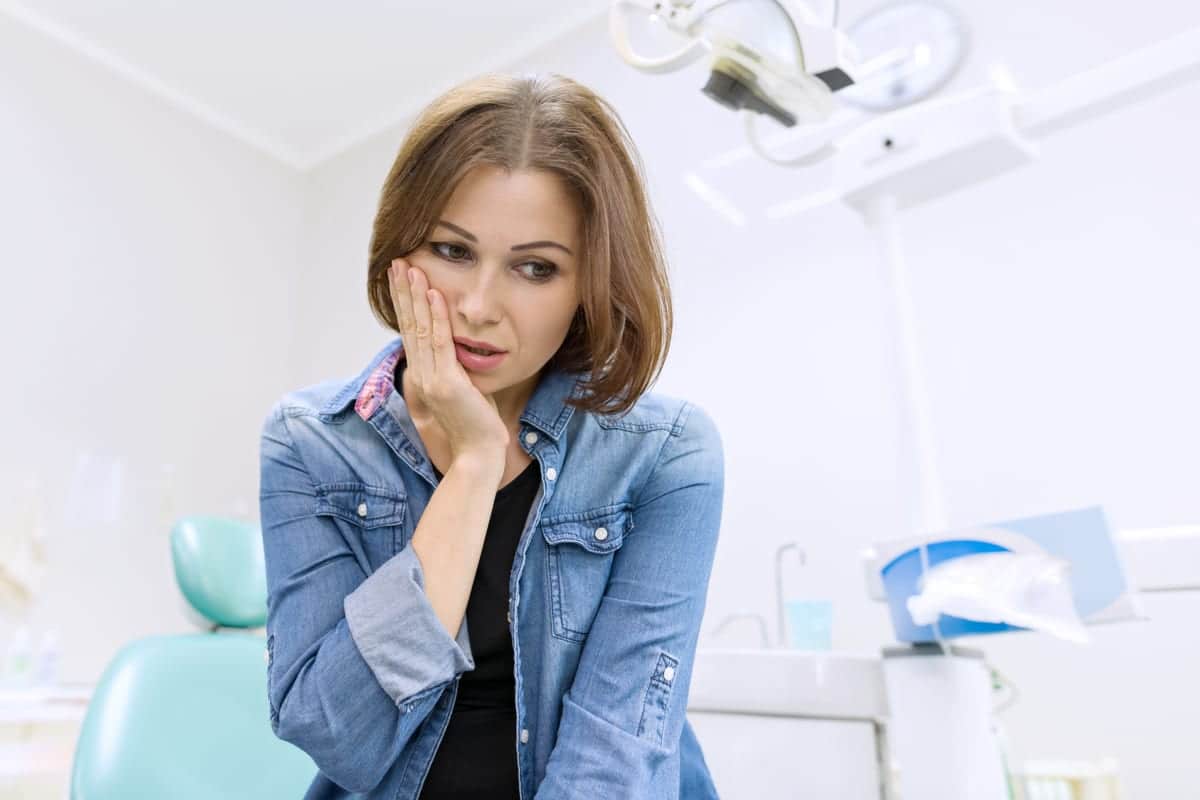
- Sore jaw or facial muscles
- Neck pain
- Chipped or cracked teeth
- Sensitive or loose teeth
How to Manage and Stop Clenching
While treatment plans are personalized, these strategies can help reduce the frequency and impact of clenching. Always consult your dentist before starting a new regimen.
1. Stress Reduction Techniques
Since stress is a leading cause of bruxism, managing your mental well-being is essential:
- Journaling: Spend five minutes before bed writing down anxieties to clear your mind and let go of negative thoughts.
- Mindful Relaxation: As you fall asleep, consciously scan your face and jaw for tension, actively relaxing each muscle group. If you wake up at night, repeat this process.
- Partner Assistance: If your partner notices you grinding, have them gently nudge you to break the cycle, then perform the relaxation exercise.
2. Professional Dental Solutions
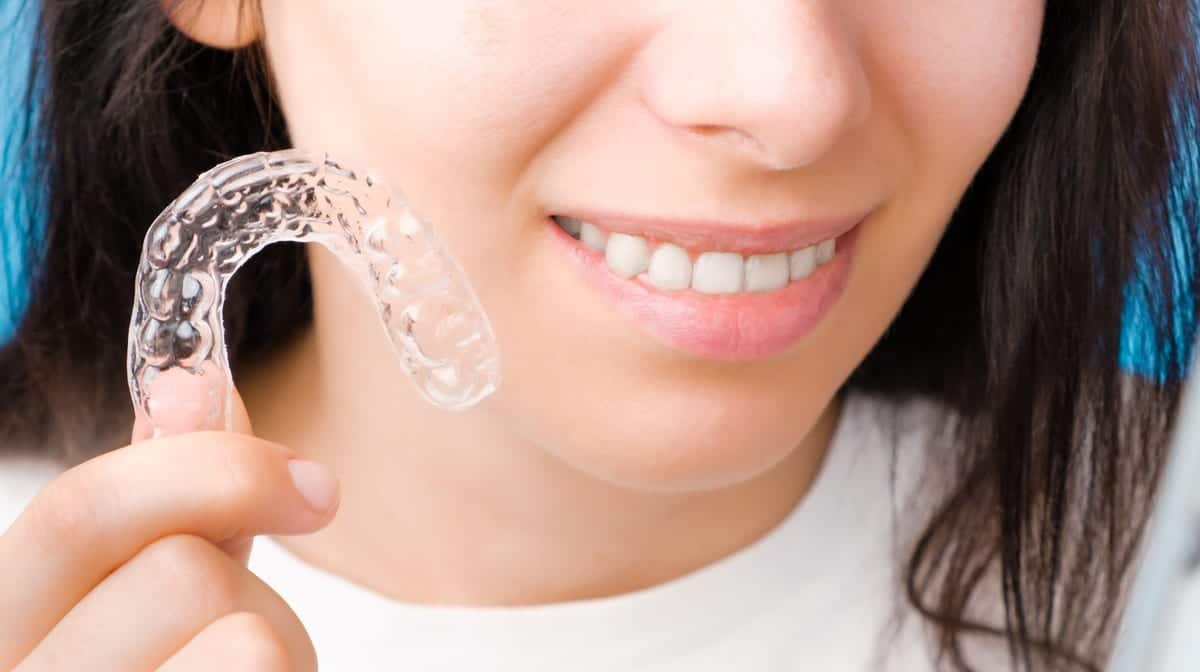
- Mouth Guards: A dentist-prescribed night guard provides a protective barrier against tooth damage. While over-the-counter options exist, custom-made guards offer superior fit and protection for severe cases. Note: A custom guard is designed to distribute bite force evenly, which helps prevent the localized pressure that causes tooth fractures.
- Correcting Alignment: If your clenching is caused by a misaligned bite (malocclusion), your dentist may suggest orthodontics or restorative treatments like crowns or overlays.
3. Lifestyle Adjustments
What you consume before bed impacts your sleep quality and muscle tension. Avoid caffeine (coffee, tea, soda, chocolate) and alcohol in the evening, as these substances can disrupt sleep and increase the likelihood of nighttime clenching. Clinical tip: Caffeine has a half-life of approximately 5 hours, so avoiding intake at least 6 hours before bedtime is recommended to minimize sleep-related muscle activity.
Teeth Clenching in Children
Children can also experience stress-induced clenching. If you hear your 3 year old grinding teeth while sleeping or if they report facial discomfort or tooth pain, schedule an evaluation with their pediatric dentist. Early intervention is key, as persistent bruxism in children can sometimes be linked to airway issues or developmental changes in the jaw.
Frequently Asked Questions
Can I stop clenching without a mouth guard?
While stress management and relaxation exercises are helpful, a night guard for teeth is often necessary to physically protect your teeth from damage while you address the underlying causes.
Is a custom mouth guard worth the extra cost?
Yes. Custom guards are tailored to your specific bite, offering better comfort and more effective protection against wear compared to generic, night guard over the counter alternatives.
Why does alcohol make clenching worse?
Alcohol negatively affects your sleep quality and muscle relaxation, which can increase the frequency of bruxism episodes during the night.
Disclaimer: This content is for informational purposes only and does not replace professional medical or dental advice. Always consult with your dentist regarding your specific oral health needs.